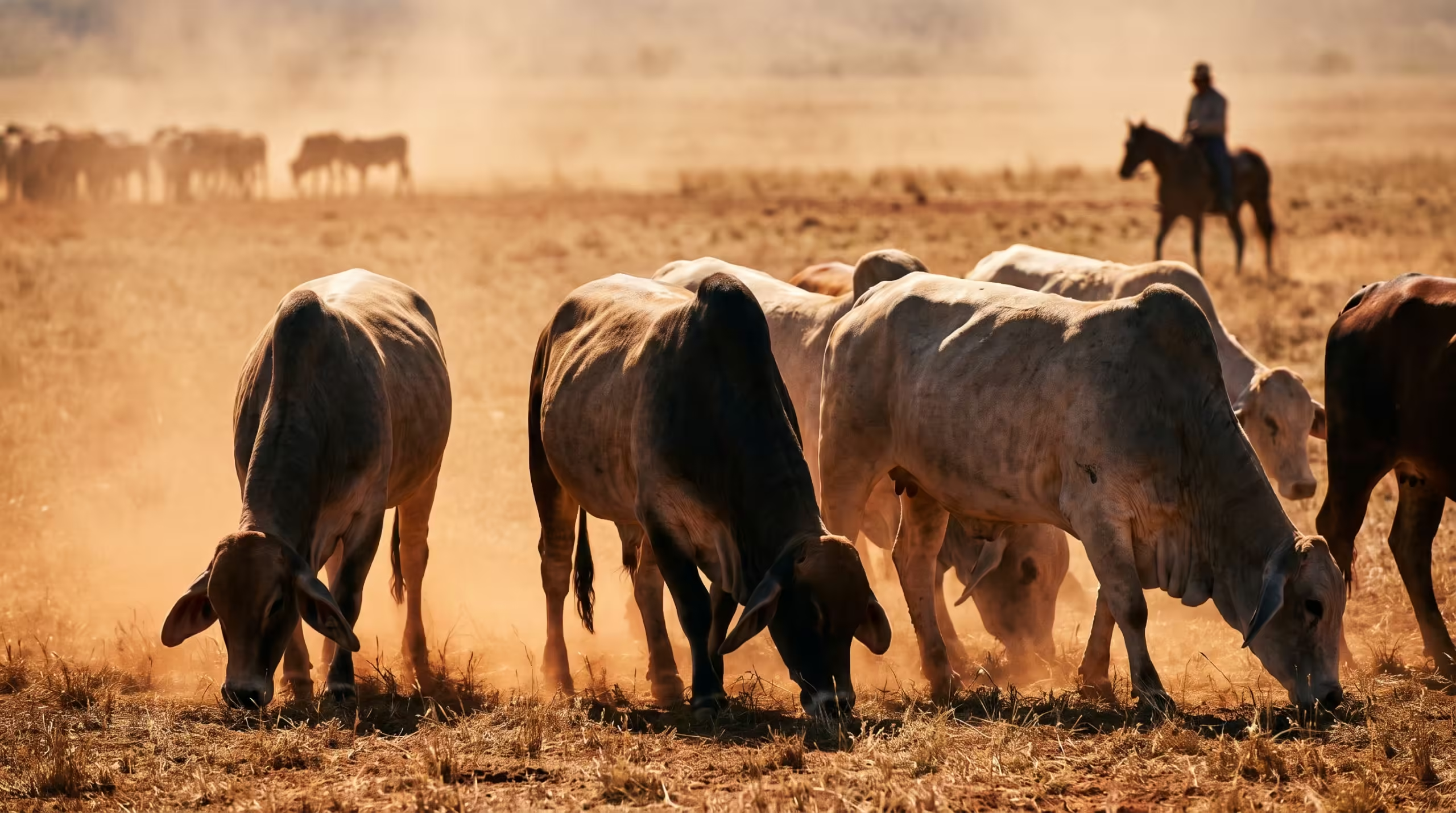

Tick fever is a red blood cell disease spread by the cattle tick, caused by three organisms: Babesia bovis, Babesia bigemina and Anaplasma marginale. It kills unprotected cattle fast once signs appear, and the single most reliable defence is vaccination before an animal enters tick country, not treatment after it gets sick.
What Tick Fever Is and Where It Lives
The cattle tick carries three separate organisms, and an infected animal picks up any combination of them from a single bite. Meat & Livestock Australia identifies tick fever as one of the costliest endemic diseases facing northern beef herds, since it strikes productive adult cattle rather than the young stock most diseases target.
Queensland splits the state into a tick-infested zone and a tick-free zone, separated by what producers call the tick line. The infested zone sits broadly east of the Great Dividing Range and north of the Great Northern Rail line, according to the Queensland cattle tick zone maps. Northern New South Wales, the Northern Territory and parts of Western Australia carry their own endemic or buffer zones.
Buffer zones sit between the fully infested and fully free areas, and movement rules through them are stricter than within either zone on its own. Cattle crossing a buffer zone usually need inspection, treatment or a permit before continuing, and the paperwork differs by state. Check current movement conditions with your state biosecurity authority before any interstate transfer, since a mistake here holds cattle at the border and risks a fine on top of the welfare cost to stressed, delayed stock.
Why Bos Indicus Cattle Have an Edge
Brahman and other Bos indicus breeds carry a genetic resistance to tick infestation itself, so fewer ticks attach and feed, and this resistance lowers their chance of picking up Babesia bovis and Babesia bigemina. It does not extend reliably to Anaplasma marginale, and resistance also varies with age, season and how long an individual animal has lived in tick country. A straight Bos indicus herd in the far north still carries real tick fever risk, particularly in introduced or naive animals.
Get the latest cattle health updates straight to your inbox. Subscribe free to Cattle Weekly’s weekly newsletter. Subscribe here.
Recognising the Signs Early
Early signs include fever, lethargy, loss of appetite and a drop in milk yield in dairy cows. As the disease progresses, watch for dark red or brown urine from destroyed blood cells, pale or yellow gums, rapid breathing and animals separating themselves from the mob. Death follows within days in severe, untreated cases. Any sudden illness in cattle moved into or through a tick zone deserves an immediate call to your vet rather than a wait-and-see approach.
| Organism | Disease caused | Bos indicus resistance |
|---|---|---|
| Babesia bovis | Babesiosis (tick fever) | Partial resistance |
| Babesia bigemina | Babesiosis (tick fever) | Partial resistance |
| Anaplasma marginale | Anaplasmosis (tick fever) | Limited resistance |
The Trivalent Vaccine: Your Main Line of Defence
Queensland’s Tick Fever Centre produces a live, chilled trivalent vaccine protecting against all three organisms in one dose, built from attenuated strains of Babesia bovis and Babesia bigemina plus Anaplasma centrale. The Queensland Government’s vaccine guidance describes it as the most reliable, practical tool for long-term tick fever control, and recommends it for every beast entering a tick-infested area, whether bred there or introduced from a tick-free zone. Because the vaccine ships chilled with a short shelf life, order it ahead of weaning or restocking rather than at the last minute, through your state Department of Primary Industries.
Vaccinate calves while maternal immunity and youth work in your favour. Older, naive cattle introduced to tick country from the south face a far higher risk of a severe reaction, so plan vaccination and a settling-in period well before any interstate or cross-zone transfer.
Seasonal Risk and Why Timing Matters
Tick numbers and tick fever outbreaks both track the wet season and the warmer months in the north, when ticks breed fastest and pasture conditions favour them. An early storm season or a wet winter shifts the usual outbreak window, which is one reason producers vaccinate well ahead of the season rather than reacting once ticks appear on the hide. Drought years cut tick numbers but do not remove the risk; a dry spell pushing cattle onto remnant green pick near creek lines concentrates exposure in a small area.
New season calves born in a tick zone pick up natural exposure gradually if the mob carries endemic immunity, but this only works if the breeding herd itself is protected and healthy going into calving. A herd with gaps in its vaccination history carries risk for every age group, not only introduced stock.
Managing Risk Beyond the Needle
Vaccination lowers risk, and it works best alongside sound paddock and herd management. Practical steps producers in endemic areas rely on:
- Check NLIS movement records and tick zone status before buying or moving cattle across zone boundaries.
- Quarantine and tick-treat introduced stock before mixing them with the home herd.
- Keep vaccination records current, since a documented history helps your vet rule out tick fever quickly if an animal does fall sick.
- Watch newly introduced or young stock closely through their first tick season.
- Work with your vet on a chemical tick control program where pasture conditions favour tick survival.
For producers weighing up whether northern conditions suit their operation more broadly, our guide to beef cattle farming in Queensland covers the wider regional picture, and our state-by-state farming guide sets out how tick zones and other regional risks shift as you move across the country.
Diagnosis: What Your Vet Looks For
A vet confirms tick fever through a blood smear examined under a microscope, looking directly for the Babesia or Anaplasma organisms inside red blood cells, backed up by PCR testing at a diagnostic laboratory for a definitive result. Blood tests also reveal the degree of anaemia, which guides whether an animal needs supportive treatment such as a transfusion alongside the specific drug therapy for the organism involved.
Keep your vet’s number and your property’s tick zone status on hand through the risk season. A delay of even a day between first signs and treatment materially worsens the outcome in a severe case, so early reporting matters more than trying to confirm the diagnosis yourself.
The Cost of Getting It Wrong
Meat & Livestock Australia names tick fever among the costliest endemic diseases facing the northern beef herd, with the burden falling across stock deaths, treatment bills, lost weight gain and the ongoing cost of chemical tick control. Unlike many diseases hitting calves hardest, tick fever strikes productive breeding and finishing stock, so a single outbreak in a commercial herd translates directly into fewer sale weight cattle and fewer calves on the ground next season. A vaccination program costs a fraction of what one serious outbreak does, which is the economic case producers in endemic areas already understand from experience.
The cost also shows up indirectly. Cattle recovering from a tick fever episode lose condition and take weeks to return to normal growth rates, pushing finishing dates back and affecting turnoff planning for the whole mob they travel with. Buyers sourcing store cattle from outside a tick zone factor this risk into price, so a documented vaccination history on your NLIS record strengthens your position at sale as well as protecting the animal.
Treating a Confirmed Case
A vet-administered course of treatment saves a sick animal if started early, alongside supportive care such as reduced handling and, in severe cases, a blood transfusion. Survivors generally carry lasting immunity to the specific organism involved, though this does not protect them against the other two. Treatment outcomes drop sharply once an animal is already recumbent, which is the strongest argument for vaccinating ahead of exposure rather than relying on treatment as a backup plan.
Frequently Asked Questions
How long does tick fever vaccine immunity last?
Immunity builds over several weeks after vaccination and is generally considered lasting, though your vet sometimes recommends a booster for cattle moving into higher-risk areas. Confirm the current protocol with your state Department of Primary Industries.
Are Brahman cattle immune to tick fever?
No. Brahman and other Bos indicus cattle resist tick infestation better than British breeds, and this lowers their risk from two of the three tick fever organisms, but they are not immune and still need protection, especially against Anaplasma marginale.
Is it safe to move cattle from a tick-free zone into an infested zone without vaccinating first?
You put naive stock at serious risk doing this. Vaccinate well ahead of the move and allow a settling-in period, and check current cross-zone movement rules with your state agriculture department before transporting.
Where do I order the tick fever vaccine?
Order through your state Department of Primary Industries. In Queensland, contact the Tick Fever Centre via 13 QGOV, and order ahead since the vaccine ships chilled with a short shelf life.
How is tick fever diagnosed?
Your vet examines a blood smear under a microscope for the Babesia or Anaplasma organisms and typically confirms the result with PCR testing at a diagnostic laboratory, alongside a check of how severe the anaemia has become.
More on this topic: Cattle Health in Australia, the complete guide.
See also: Animal Welfare Standards for Cattle in Australia.