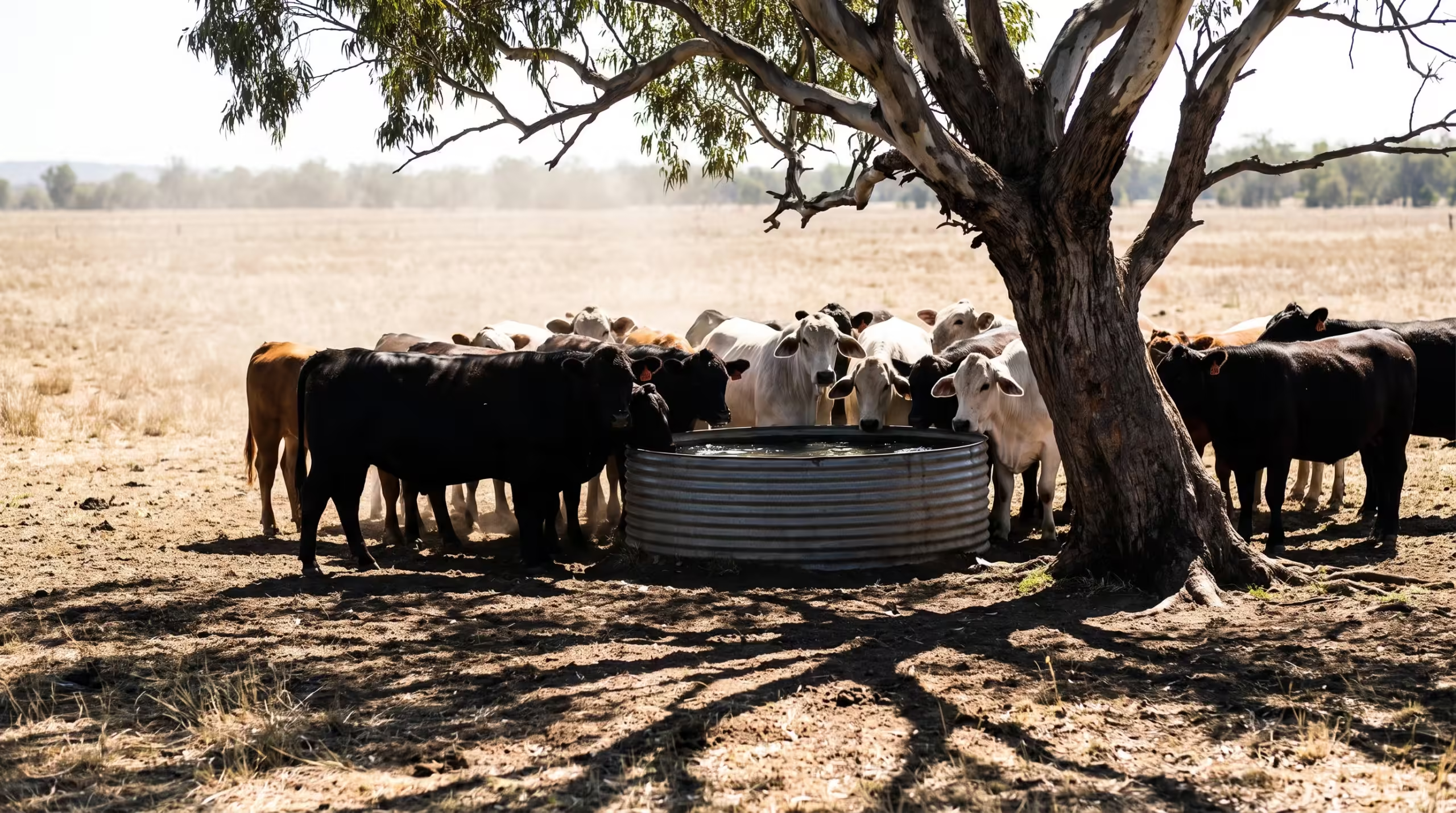

Cattle start feeling heat stress once the combination of temperature and humidity outpaces their ability to shed body heat, most often when the Temperature Humidity Index passes 72. Watching respiration rate, providing shade and water, and shifting feeding times to the cooler parts of the day are the core tools for keeping a herd comfortable and productive through an Australian summer.
Why cattle struggle with heat
Cattle carry a built-in disadvantage in hot weather. They sweat far less efficiently than humans, and the rumen works as an internal furnace, generating heat as it ferments feed around the clock. On a still, humid night, this heat load never fully clears before the next hot day begins, and the animal enters the following afternoon already carrying yesterday’s burden.
Meat & Livestock Australia describes this as excessive heat load, the point where an animal cannot dissipate body heat fast enough and its core temperature climbs above normal. Feedlot cattle, dairy cows in full production and black-coated Bos taurus breeds such as Angus carry a higher risk than lighter-framed, lighter-coated Bos indicus breeds like Brahman, which evolved to cope with tropical heat.
Humidity makes the picture worse than temperature alone suggests. A 34°C day with high humidity along the Queensland coast puts more heat load on a mob than a 38°C day in a dry inland paddock, because sweating and panting lose effectiveness once the surrounding air already carries a heavy moisture load.
Recognising heat stress in your herd
Respiration rate is the earliest and most reliable sign. A relaxed animal breathes at a steady, unhurried pace. As heat load builds, breathing quickens and becomes shallow, and cattle drawing more than 60 breaths a minute need attention without delay.
| Stage | What you will see |
|---|---|
| Mild | Faster breathing, seeking shade, reduced grazing |
| Moderate | Open-mouth panting, drooling, bunching near water or shade |
| Severe | Rapid open-mouth panting, tongue out, unsteady on feet, reluctance to move |
Watch mobs in the early morning too. Cattle still panting or standing at the trough well after sunrise, rather than settling to graze, carried heat through the night and start the new day at a disadvantage.
Get the latest cattle market updates straight to your inbox. Subscribe free to Cattle Weekly’s weekly newsletter. Subscribe here.
Water, shade and yard design
Water intake rises sharply in hot weather, and trough capacity and flow rate both need to keep pace with a whole mob drinking at once, not only a handful of animals. Check troughs daily through summer for algae, low flow and shade coverage, since cattle avoid water sitting in full sun when a shaded option exists nearby.
Shade matters as much as water. Trees, shade cloth or portable structures reduce the direct radiant heat load hitting an animal’s back, and a well-placed shade structure lowers a mob’s overall heat burden noticeably compared with open paddock exposure. In feedlots and yards, sprinklers and fans support heat loss through evaporation and airflow, though they work best paired with good drainage, since wet, muddy pens add humidity and undercut the benefit.
- Trough capacity. Plan for peak summer demand, not average daily use, and check flow rate under load.
- Shade placement. Spread shade across a paddock rather than concentrating it in one corner, to avoid cattle crowding and adding to each other’s heat load.
- Drainage. Keep yards and yarding areas free of standing water and mud, which raise humidity right where cattle stand.
Forecasting heat load before it arrives
Planning ahead of a heatwave gives producers days, not hours, to prepare shade, water and handling schedules. The Cattle Comfort Index Forecast, developed for Australian feedlot and grazing conditions, projects heat load days ahead using forecast temperature and humidity, letting producers shift work forward or delay it rather than reacting once cattle are already showing distress.
Agriculture Victoria advises checking forecasts several days out and having a plan ready for water backup, shade access and reduced handling before a heatwave lands, rather than scrambling once temperatures are already climbing.
Dairy herds carry a distinct heat burden
Lactating dairy cows generate substantially more internal heat than dry stock, since milk production itself runs on a high metabolic rate. Heat stress shows up first as a drop in milk yield and appetite, often before any dramatic panting is visible, and a herd left without adequate cooling through a hot spell often takes weeks to return to normal production once conditions ease.
Dairy operations benefit from the same core tools as beef herds, shade, water and adjusted feeding times, with sprinkler and fan systems in the dairy yard giving an added line of defence during milking, when cows stand close together on concrete and radiant heat builds quickly. Producers weighing a move into dairying will find the wider setup considerations in our dairy cattle farming guide.
Adjusting feeding and handling around the heat
Fermentation in the rumen peaks four to six hours after a feed, adding to the day’s heat load exactly when ambient temperature is also climbing. Shifting the main feed to later in the afternoon, so peak fermentation heat falls overnight when air temperature drops, eases the combined burden on the animal. WA’s Department of Primary Industries and Regional Development recommends avoiding unnecessary handling, yarding or transport during the hottest parts of the day, since the added exertion and stress compound the existing heat load rather than easing it.
Where possible, schedule mustering, drenching, weighing and transport for early morning, well before the day’s heat peaks, and cancel or delay non-urgent yard work altogether during an extended hot spell. Our guide to cattle nutrition and feeding covers ration adjustments reducing fermentation heat load through summer, alongside year-round feeding fundamentals.
When heat stress becomes an emergency
Most cases respond to shade, water and reduced handling within a few hours. A small number of animals progress further and need urgent attention: open-mouth panting failing to ease once an animal reaches shade, a protruding tongue, staggering or an unwillingness to stand. These animals need cooling straight away, with water applied to the legs, belly and neck rather than the back, since wetting the back on a humid day traps heat under the coat instead of releasing it. Call your vet immediately if an animal shows these signs, particularly during an extended heatwave when several animals in a mob are affected at once.
Cattle already compromised by another condition, including recent transport, illness or a heavy parasite burden, carry a lower heat tolerance than a healthy animal in good condition. Where a mob is recovering from any of these, plan for extra shade and closer monitoring through the following hot spell rather than assuming standard precautions are enough.
Long-term steps reducing heat risk
Some of the strongest heat management tools take years, not days, to pay off. Planting shade trees along fence lines and water points builds capacity shade cloth and portable structures cannot fully replace, and a paddock planted a decade ago now carries a mob through summer with far less added infrastructure cost. Producers restocking or building a new breeding program in northern and inland regions also weigh heat tolerance directly into their breed and bloodline choices, favouring Bos indicus content where summer heat load, rather than winter cold, is the dominant constraint on the property.
Building a heat management plan before summer arrives
Waiting for the first heatwave to think about shade, water and handling schedules leaves a mob exposed during the days it matters most. A written plan, reviewed each spring, should cover trough capacity and backup water sources, shade availability across every paddock cattle use in summer, and a handling calendar shifted to early mornings from November through March.
Breed and body condition also shape risk. Heavier, fatter animals and those close to finishing carry a higher heat load than leaner stock, and producers running Bos taurus cattle in northern regions should weigh the extra heat management this requires against the benefits those breeds offer elsewhere. The wider foundations of herd health sit in our cattle health in Australia guide, and producers new to day-to-day husbandry will find useful grounding in our article on how to care for cattle in Australia.
Heat stress costs more than the animals visibly affected on the worst days. Reduced feed intake, slower weight gain and lower conception rates in breeding herds all follow a hot summer, often showing up in performance figures well after the heat itself has passed. A shade and water plan built before the season starts pays for itself across the whole herd, not only the animals showing visible distress.
Frequently asked questions
At what temperature do cattle start experiencing heat stress?
There is no single temperature threshold, since humidity changes the picture. Producers use the Temperature Humidity Index, combining temperature and humidity into one figure, with heat stress commonly starting once it passes 72.
What is the earliest sign of heat stress in cattle?
A rising respiration rate. Cattle breathing faster than usual, before any panting or drooling appears, are already carrying additional heat load.
Which cattle breeds cope best with Australian summer heat?
Bos indicus breeds such as Brahman, and Bos indicus crosses, tolerate heat considerably better than straight Bos taurus breeds like Angus or Hereford, owing to differences in coat, skin and sweating ability.
Should feeding times change in hot weather?
Yes. Shifting the main feed later in the afternoon moves peak fermentation heat into the cooler overnight hours, easing the total heat load an animal carries through the following day.
Is heat stress only a feedlot problem?
No. Paddock cattle, particularly dairy cows in full milk production and cattle close to finishing weight, also carry meaningful heat stress risk and need shade and water planning through summer.