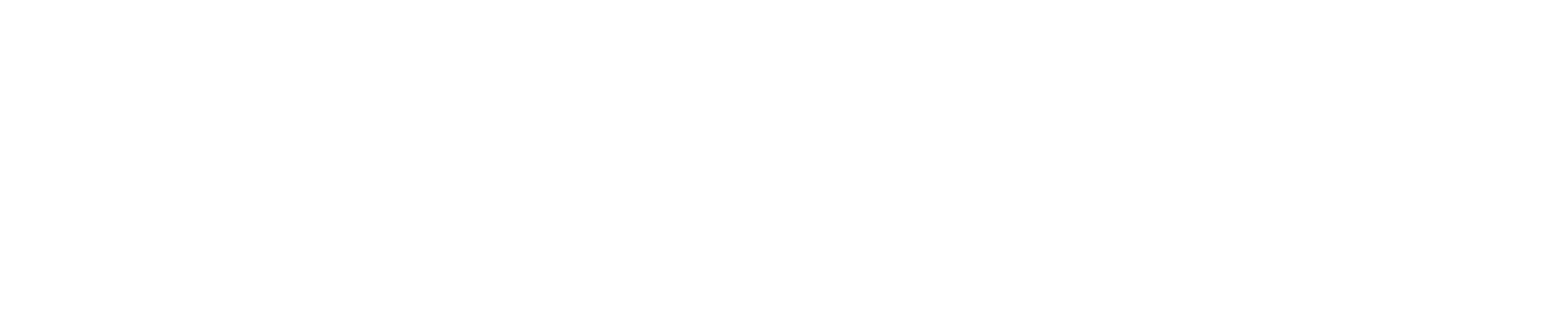

Animal health is not a side issue on a cattle operation. It is the thing that decides whether the calves you branded turn into the kilograms you sell, whether your cows get back in calf on time, and whether a truckload of steers gets a clean run through the saleyard or gets pulled up on arrival. Every producer knows a story about a mob that went backwards for no obvious reason, or a line of weaners that never quite hit the target weight. In almost every one of those stories, health was involved somewhere.
This guide pulls together the main pillars of cattle health in Australia into one place: biosecurity, vaccination, parasite control, nutritional disorders, reproductive management, record keeping and emergency disease preparedness. It is written for people who run cattle commercially, in a country where the disease picture changes dramatically between the Gulf and Gippsland. Nothing here replaces your own veterinarian or your state department’s advice — but it should help you ask better questions and spend your animal health dollar where it actually earns.
Why Cattle Health Is a Margin Question, Not a Vet Question
The easiest mistake to make is to treat animal health as reactive spending — money you part with when something goes wrong. The producers who consistently do well treat it as production spending, on the same ledger as fertiliser or bull purchases.
The logic is simple. Cattle are sold on weight and on classification. Sick cattle eat less, convert worse and grade lower. A subclinical parasite burden does not kill anything, so it never announces itself, but it quietly clips average daily gain across an entire mob for months. A pestivirus incursion in a naive breeding herd does not necessarily show up as dead animals — it shows up as a scattered calving pattern and empty cows the following year, by which time the cause is long gone.
When you are watching the EYCI and the regional saleyard indicators to time a turn-off, the difference between hitting the weight window and missing it can come down to whether your weaners were clean. Meat & Livestock Australia (MLA) has consistently pointed at the same drivers in its producer research and demonstration work: reproductive performance and weight-for-age do more for whole-herd profitability than almost anything else you can adjust, and both sit downstream of health.
The three questions worth asking every year
- What killed or cost me the most animals in the past twelve months — and do I actually know, or am I guessing?
- Which of my current treatments am I doing out of habit rather than evidence?
- What is the one disease that would hurt me worst if it walked through the gate, and what am I doing about it?
Biosecurity: The Cheapest Health Program You Will Ever Run
Most serious herd health problems arrive rather than appear. They come in on introduced cattle, on shared equipment, in feed, on vehicles, or across a boundary fence. Which makes biosecurity the highest-return part of the whole exercise, because prevention costs a fraction of eradication.
Introduced cattle
Every animal that comes onto the place — bought bulls, agisted cattle, returning show stock, a neighbour’s strays — is a potential entry point for bovine Johne’s disease, pestivirus, tick fever, resistant worms, lice, footrot or something worse.
The practical protocol is not complicated:
- Ask for a National Cattle Health Declaration before purchase, not after unloading. It is not a guarantee, but it forces the vendor to state what they know.
- Quarantine on arrival. Hold new arrivals in a separate paddock with its own water, away from breeders, for a few weeks. Yards and laneways they pass through should not be shared with pregnant cows on the same day.
- Quarantine drench and treat. Use an effective combination product on arrival to avoid importing drench-resistant worm populations onto your property, and inspect for lice and ticks.
- Vaccinate into your program. Bring the animal onto your clostridial, botulism or tick fever schedule rather than assuming its previous cover is current.
- Observe. Scours, lameness, nasal discharge, weight loss or ill-thrift during quarantine is information — act on it before the animal joins the herd.
Boundaries, people and equipment
Straying cattle across a boundary fence remain one of the most common disease transfer routes in the country, and one of the most avoidable. Maintain boundary fences to a standard that keeps your cattle in and the neighbour’s out, and have the conversation early rather than after an outbreak. AgForce and equivalent state farming organisations have pushed hard on this point in their biosecurity extension material, particularly in relation to on-farm biosecurity plans and the legal duty producers carry in states with general biosecurity obligations.
Beyond fences: control vehicle access, keep a visitor record, clean and disinfect shared crushes, weigh scales and drenching gear, and know the source of any hay, grain or by-product feed coming in. Feed is an underrated risk — contaminated fodder can carry weed seed, chemical residues and, in the case of animal-derived material, ruminant feed ban breaches with serious trade implications.
Your written plan
Under the Livestock Production Assurance (LPA) program, biosecurity is one of the elements producers must be able to demonstrate. A farm biosecurity plan template takes an afternoon to complete and gives you something to show a buyer, an auditor or a processor. Keep it with your LPA records, your NLIS account details and your chemical treatment log so it is all in one place.
Vaccination: Build the Program Around Your Risk
There is no national vaccination schedule that fits every herd, because a breeder herd on Cape York and a dairy in south-west Victoria face almost nothing in common. What follows is the shape of the decision rather than a prescription — work the specifics through with your vet.
| Disease | Who it typically matters most to | Typical timing | Notes |
|---|---|---|---|
| Clostridial diseases (tetanus, pulpy kidney, blackleg, black disease, malignant oedema) | Every herd, everywhere | Two sensitiser doses to calves or weaners, then annual boosters | 5-in-1 or 7-in-1; the cheapest insurance in the industry. 7-in-1 adds leptospirosis cover. |
| Botulism | Northern and phosphorus-deficient country, cattle on carcass-contaminated pasture or poor-quality roughage | Per label, with boosters as directed | Often paired with a phosphorus supplementation program, since bone chewing is the underlying driver. |
| Tick fever (babesiosis, anaplasmosis) | Cattle entering or living in the tick-endemic zone, especially Bos taurus and introduced stock | Well before exposure; timing matters | Live vaccine with specific handling and ordering requirements — plan ahead, it is not an off-the-shelf purchase. |
| Vibriosis (bovine venereal campylobacteriosis) | Breeding herds, particularly where bulls are bought in or joined across mobs | Bulls before joining, with annual boosters | A classic cause of poor conception and scattered calving with no obvious sick animals. |
| Leptospirosis | Dairy herds, wetter environments, anywhere with rodent or feral pig pressure | Annual, commonly via 7-in-1 | Zoonotic — protects your family and staff as well as the herd. |
| Pestivirus (BVDV) | Herds shown by testing to be naive or with active infection | Before joining, per label | Test first. Vaccination without knowing your herd’s status is money spent blind. |
| Bovine ephemeral fever (three-day sickness) | Northern and coastal herds, valuable bulls in particular | Ahead of the vector season | Losing a joined bull mid-season costs far more than the vaccine. |
Getting value out of vaccination
- Complete the primary course. A single sensitiser dose with no booster leaves animals effectively unprotected. Half a program is wasted money.
- Respect the cold chain. Vaccine that has cooked in the ute all day is not vaccine any more. Use an esky, keep it out of direct sun and note the temperature requirements.
- Inject correctly. Subcutaneous, high on the neck, clean needle changed regularly. Injection site lesions are a carcase defect and a processor complaint waiting to happen.
- Record it. Batch number, date, mob, product. This matters for both traceability and for working out what went wrong if something does.
Parasites: The Slow Leak
Parasites rarely kill adult cattle. What they do is far more expensive over time — they suppress intake, slow growth, reduce fertility and cost condition score at exactly the wrong moment.
Internal parasites
Worm burdens matter most in young cattle — weaners and yearlings — and in southern, higher-rainfall environments where pasture larval populations persist. Older cattle develop useful immunity, which is why blanket whole-herd drenching is usually poor value.
The single biggest change in worm control thinking over the past two decades is the recognition of drench resistance. Routine, calendar-based drenching with the same active over years selects hard for resistant worms, and once resistance is established on a property it does not go away.
A better approach:
- Use faecal egg counts (a WormTest) to decide whether cattle need drenching, rather than drenching to a fixed calendar.
- Run a faecal egg count reduction test periodically to find out which actives still work on your place. State agriculture departments and commercial laboratories both offer this.
- Use effective combination products rather than single actives, and rotate deliberately rather than randomly.
- Manage pasture as well as the animal — grazing weaners on lower-risk paddocks after cropping, hay or adult stock reduces the challenge without a single dose.
- Avoid drenching every animal in a mob every time; leaving some untreated animals in refugia slows resistance development.
Cattle tick and buffalo fly
North of the tick line, the cattle tick is the dominant health and cost issue, and it brings tick fever with it. Control combines strategic treatment, tick-resistant genetics — Bos indicus content is the most powerful single lever — and pasture spelling. Movement of cattle out of tick-infested areas is regulated, and the requirements are enforced through state legislation; check current conditions with the relevant department before you book a truck, because the rules and the tick line are not negotiable at the boundary gate.
Buffalo fly is a summer scourge across the north and increasingly further south. Heavy burdens cause lesions, irritation and lost grazing time. Options include insecticidal ear tags, backrubbers and pour-ons, but the same resistance logic applies as with drenches — rotate chemical groups and do not rely on a single tool year after year.
Lice
Lice are a winter problem in southern herds, showing up as rubbing, hair loss and poor coats. They are also frequently a symptom rather than a cause: cattle carrying heavy lice burdens are often nutritionally compromised or carrying another underlying issue. Treat the lice, but ask why the animals were susceptible.
Nutritional and Metabolic Disorders
A large share of what looks like disease in Australian cattle is actually a nutrition problem wearing a disease costume.
Phosphorus deficiency
Across large areas of northern Australia, soils are phosphorus deficient, and breeders on those soils cannot meet the demands of lactation without supplementation. The result is poor conception, low weaning rates, ill-thrift, bone chewing and — through the bone chewing — botulism. Wet season phosphorus supplementation is one of the best-documented interventions in northern beef production and has been a long-standing focus of MLA-funded research and northern department extension work. If you run breeders on country you suspect is deficient, soil and pasture testing gives you the answer rather than the assumption.
Protein and energy in the dry
Dry season protein supplementation, typically urea-based, keeps rumen function and intake up when standing feed is low in nitrogen. Introduce urea gradually and make sure supply is consistent — urea toxicity is almost always the result of cattle gorging after a period without access, or of poorly mixed licks.
The acute risks worth knowing
- Nitrate/nitrite poisoning — associated with rapidly growing or stressed forage crops and certain weeds, particularly after rain following dry conditions. Test suspect feed before grazing hungry cattle onto it.
- Grass tetany — low blood magnesium in lactating cows on lush, rapidly growing pasture, typically in cooler months. Magnesium supplementation ahead of the risk period is far more effective than treating downer cows.
- Bloat — a real risk on legume-dominant pastures. Manage with bloat capsules, oils in water, hay before turnout, or staged introduction.
- Grain poisoning (acidosis) — the classic feedlot and supplementary feeding disaster, caused by too much grain too quickly. Introduce grain gradually and keep access consistent.
- Plant toxicities — highly regional. Learn the problem plants on your country from your state department’s poisonous plant resources; the list differs enormously between the Kimberley, the Riverina and the New England.
Reproductive Health
Fertility is where health and profit meet most directly. An empty cow eats all year and returns nothing.
Bulls
A bull failure can cost you an entire mob’s calf drop, and you often will not know until pregnancy testing. A veterinary bull breeding soundness evaluation before every joining — covering physical examination, scrotal circumference, semen assessment and serving capacity where relevant — is standard practice for good reason. Add vibriosis vaccination and a check for signs of venereal disease, and make sure bulls are in working condition, not fat and not poor.
Cows and heifers
- Pregnancy test and cull empties. Repeated empties in a breeder herd are a slow financial bleed.
- Manage condition score at joining and at calving — condition at calving drives return to oestrus more than almost anything else.
- Join heifers at an appropriate target weight for the breed and environment rather than at a fixed age.
- Investigate abortions properly. Pestivirus, leptospirosis, vibriosis and neosporosis all present as reproductive loss and require different responses. Sending material for laboratory diagnosis is worth doing.
Calves
Colostrum in the first hours of life is non-negotiable, and matters especially in dairy systems where calves are separated. Watch for scours in young calves, keep calving areas clean and rotated, and mark, vaccinate and handle calves in a way that minimises stress and infection risk. Tetanus following marking is an entirely preventable loss and one of the strongest arguments for clostridial vaccination.
Dairy-Specific Health Priorities
Dairy herds carry a health load that beef herds do not, and it concentrates in three areas.
- Mastitis — the largest single health cost in most dairies. Control rests on milking machine maintenance and testing, teat disinfection, dry cow management, culling chronic cows, and consistent hygiene. Bulk milk cell counts are the running scoreboard.
- Lameness — driven by track condition, yard time, cow flow and hoof care. Lame cows eat less, produce less and get in calf later. Fixing tracks is usually cheaper than treating the consequences.
- Transition cow management — the period around calving determines the whole lactation. Milk fever, ketosis and retained membranes cluster here, and dietary management of the springer mob prevents most of them.
Traceability, Records and Residues
Health management and compliance are the same system viewed from different angles. The National Livestock Identification System (NLIS) underpins Australia’s ability to trace cattle, and it is the reason a disease incursion can be contained rather than becoming a national catastrophe. Keep your NLIS account current, transfer cattle promptly, and make sure tags are applied and readable before stock leave the property.
Alongside that:
- Record every chemical treatment: product, batch, date, dose, mob and withholding period.
- Observe withholding periods (WHP) and export slaughter intervals (ESI) without exception. A residue detection damages far more than your own business.
- Complete National Vendor Declarations accurately. Guessing on an NVD is not a shortcut, it is a liability.
- Keep your LPA accreditation current, including the required training and biosecurity elements.
ABARES commodity reporting consistently shows how much of the value in Australian beef depends on export markets, and every one of those markets is buying our traceability and residue record as much as the product. That is not paperwork for its own sake — it is the reason the EYCI trades where it does.
Emergency Animal Diseases: Know What You Are Looking For
Foot-and-mouth disease and lumpy skin disease are the two exotic diseases dominating industry planning, and both have been the subject of sustained preparedness work by Animal Health Australia, the federal department, state agriculture departments and producer bodies including AgForce. An incursion would close export markets immediately, and the economic modelling published by government agencies makes clear the scale of the damage.
What producers need to do is narrower and more achievable than the headlines suggest:
- Know the clinical signs. For FMD: sudden lameness in multiple animals, drooling, blisters or erosions on the tongue, gums, muzzle and coronary band, and a sharp production drop in dairy cattle. For LSD: firm, raised skin nodules over the body, fever, nasal discharge and swollen lymph nodes.
- Report immediately. Call the Emergency Animal Disease Watch Hotline on 1800 675 888, at any hour. Reporting is the responsible act, not the risky one.
- Keep traceability tight. Accurate NLIS records and movement documentation are what would allow the industry to resume trade fastest.
- Enforce visitor and vehicle controls, particularly for anyone who has recently been overseas on farms or in livestock markets.
A Practical Annual Rhythm
Every operation is different, but a health calendar built around your joining, calving and turn-off dates beats reacting to problems as they surface. Broadly:
- Pre-joining: bull breeding soundness evaluations, vibriosis and reproductive vaccinations, cow condition scoring, mineral status check.
- Calving: clean and rotated calving paddocks, colostrum management, close observation of first-calf heifers.
- Marking/branding: clostridial sensitiser, NLIS tags, careful hygiene, tetanus risk management.
- Weaning: booster vaccinations, parasite monitoring, low-stress yard weaning to reduce respiratory disease and set up lifetime temperament.
- Pre-sale: withholding periods checked, NVD completed accurately, cattle presented clean and fit to load.
- Annually: review deaths and treatments, update the biosecurity plan, and sit down with your vet before the season starts rather than during it.
Getting Value From Your Veterinarian
The most expensive vet visit is the one you did not make. Unexplained deaths, chronic ill-thrift, poor conception rates and repeated scours in calves all warrant investigation, and a post-mortem plus laboratory work often turns a mystery into a manageable problem. Many state departments subsidise or support disease investigations, partly because those investigations also serve national surveillance — the same system that lets Australia prove its freedom from diseases our trading partners care about.
Treat your vet as a planning partner, not an ambulance. An annual herd health planning session — going through vaccination timing, parasite strategy, joining program and biosecurity — will return more than a dozen emergency call-outs.
Frequently Asked Questions
What vaccinations do Australian cattle actually need?
Clostridial vaccine (5-in-1 or 7-in-1) is the baseline for virtually every herd in the country, because the cost of a dose is trivial against the cost of a dead weaner. Beyond that it is regional and enterprise-specific — botulism in northern Australia, tick fever for cattle moving into tick country, vibriosis and leptospirosis in breeding herds, and pestivirus where the herd is naive. Build the program with your vet rather than copying the neighbour’s.
How do I know if my drench is still working?
The only reliable answer comes from a faecal egg count reduction test, which compares egg counts before drenching and again roughly a fortnight afterwards. A standard WormTest on its own tells you whether cattle need treating; it does not tell you whether the product cleaned them out. Most state agriculture departments and private laboratories run both services, and the result usually pays for itself the first time it stops you buying an ineffective product.
What are the first signs of foot-and-mouth disease I should look for?
Sudden lameness in several animals at once, drooling or reluctance to eat, and blisters or raw erosions on the tongue, gums, muzzle or above the hoof. A sharp drop in milk in dairy cattle is another early flag. If you see anything resembling this, stop moving stock and ring the Emergency Animal Disease Watch Hotline on 1800 675 888 — reporting early is protected and costs you nothing.
Do I need a biosecurity plan to sell cattle?
To sell under the Livestock Production Assurance program you need to be able to demonstrate biosecurity practices as part of your LPA accreditation, and buyers increasingly expect a completed farm biosecurity plan alongside the National Cattle Health Declaration. The plan does not need to be elaborate — it needs to be real, written down and actually followed. Free templates are available through Animal Health Australia and industry bodies.
How much should I budget for animal health each year?
Rather than chasing a dollar figure per head, work backwards from your risks: the vaccines your region demands, a parasite monitoring allowance, supplement costs where soils are deficient, and a contingency for veterinary investigation of unexplained deaths. Treat post-mortems and laboratory work as an investment, not an expense — one diagnosis that stops a run of losses will usually cover the whole year’s animal health spend.
The Bottom Line
Good cattle health management in Australia comes down to a handful of unglamorous habits: keep disease out, vaccinate for what your country actually throws at you, monitor parasites instead of guessing, feed to the deficiencies in your soil, check your bulls, keep your records straight, and pick up the phone early when something does not look right. None of it is complicated. All of it compounds.
Do those things consistently and you will spend less on treatment, turn off heavier cattle more reliably, and be in a position to take advantage when the market runs. That is the whole argument.
See also: Cattle Calving Guide for Australian Farmers.

3 comments
[…] through colostrum. Ask your vet about adding leptospirosis or vibriosis based on district risk. Our complete guide to cattle health in Australia shows how a whole-herd program fits together across the […]
[…] Your disease risk depends on where you sit. Botulism dominates northern phosphorus-deficient country. Tick fever sits inside the cattle tick zone. Three-day sickness runs down the eastern seaboard in wet years. Pestivirus is present in herds right across the country. Talk to your vet and your state department of agriculture about local risk before you spend money, and read the broader picture on herd health in our complete guide to cattle health in Australia. […]
[…] For the full picture on herd health planning, see our complete guide to cattle health in Australia. […]