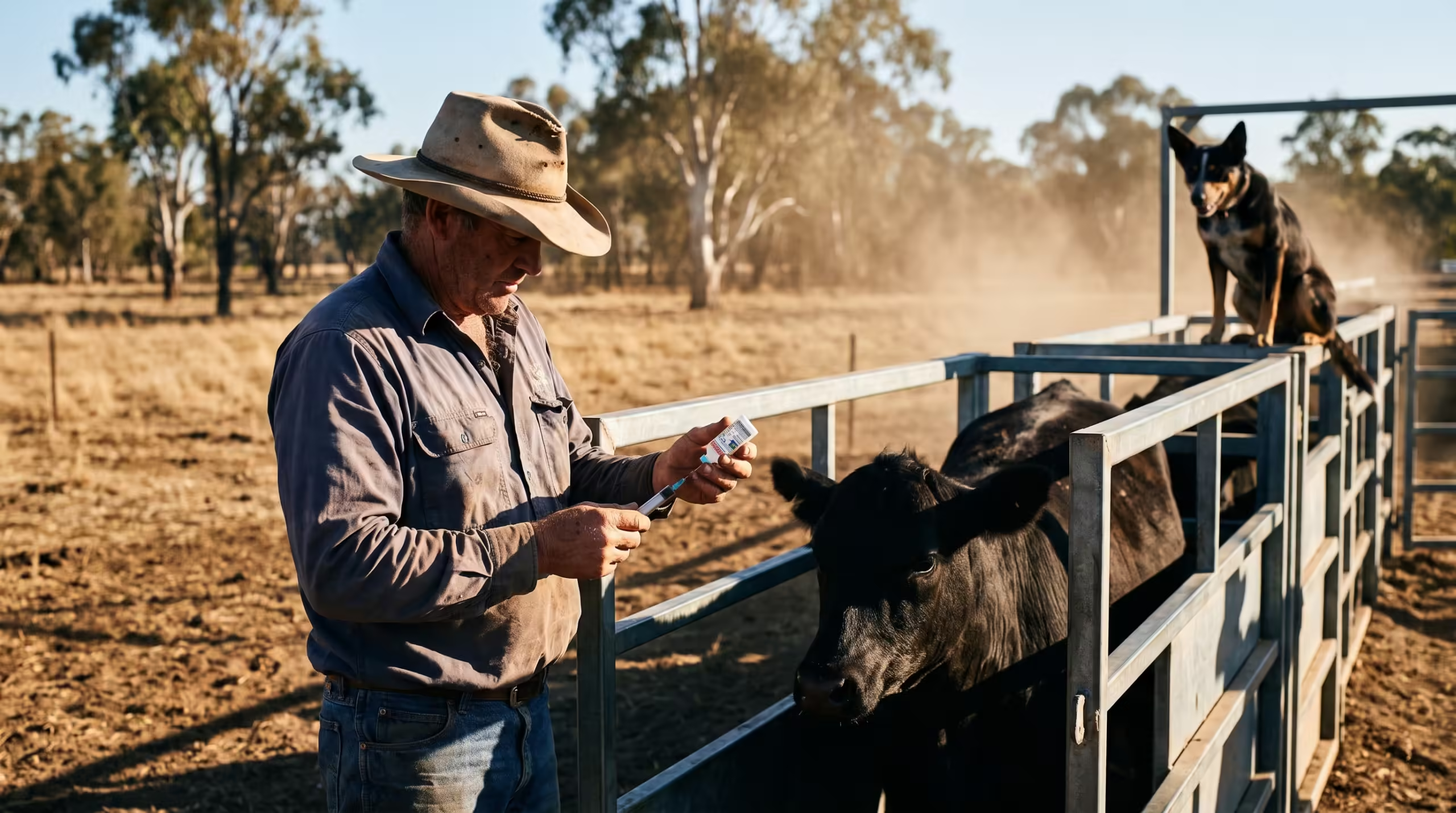

A vaccination program is one of the cheapest forms of insurance you run on a cattle operation. A dose of clostridial vaccine costs cents per head. A dead weaner costs you the full value of the animal at the saleyard, plus the feed and labour you already put into it. With the EYCI moving as sharply as it has over recent seasons, the arithmetic on a missed booster has only got worse.
The problem is rarely the vaccine. It is the calendar. Herds lose animals because the second dose never happened, because the fridge sat at the wrong temperature over a hot weekend, or because bulls went out unvaccinated for vibriosis. This guide sets out a working cattle vaccination schedule for Australian conditions, broken down by class of stock, so you know what goes in the race and when.
Build the schedule around your muster dates
Do not design a program you will never execute. Most producers handle cattle three or four times a year: marking, weaning, pregnancy testing and pre-joining. Anchor every vaccination to one of those events. If a product needs a booster four to six weeks after the first dose, you need a second yarding inside six weeks, so plan it before you start.
Your disease risk depends on where you sit. Botulism dominates northern phosphorus-deficient country. Tick fever sits inside the cattle tick zone. Three-day sickness runs down the eastern seaboard in wet years. Pestivirus is present in herds right across the country. Talk to your vet and your state department of agriculture about local risk before you spend money, and read the broader picture on herd health in our complete guide to cattle health in Australia.
The core vaccines and what they do
Clostridial vaccines: 5-in-1 and 7-in-1
This is the non-negotiable base of any Australian program. Clostridial bacteria live in soil and in the gut of healthy animals. Pulpy kidney kills fast-growing weaners on lush pasture or grain. Blackleg kills good calves with no warning. Tetanus follows marking, dehorning and any deep wound.
5-in-1 covers pulpy kidney, tetanus, blackleg, black disease and malignant oedema. 7-in-1 adds two leptospirosis strains, which protect against abortion and reduce the human health risk to anyone in the calving paddock or the dairy. Give the first dose from six weeks of age, a second dose four to six weeks later, then an annual booster for life.
Botulism
Botulism follows phosphorus deficiency. Cattle short of phosphorus chew bones and carcase material, and swallow the toxin with it. Northern herds carry the heaviest risk. Bivalent vaccines protecting against C and D toxin types are available in both annual and longer-acting forms. Read the label, because the revaccination interval differs between products.
Vibriosis
Vibriosis is a venereal disease spread by bulls. It shows up as poor conception rates, spread-out calving and empty cows at pregnancy testing. You will not see sick animals, only a hole in your calf drop. Vaccinate bulls with two doses four to six weeks apart before their first joining, with the second dose finished at least two weeks before bulls go out. Annual boosters follow for every working bull.
Pestivirus (BVDV)
Pestivirus causes early embryonic loss, abortion and persistently infected calves who shed virus for life. Testing tells you whether your herd is naive or already exposed. Vaccination of heifers and cows requires two doses four to six weeks apart, with the second dose completed before joining. Annual boosters run before each joining after that. Identifying and removing persistently infected animals matters as much as the vaccine itself.
Tick fever
Tick fever, caused by babesia and anaplasma organisms, hits hardest when naive cattle move into the tick zone. The live vaccine is produced by Queensland’s Tick Fever Centre through the Department of Agriculture and Fisheries. It is chilled, has a short shelf life and must be ordered ahead of the day you need it. A single dose in calves between three and nine months of age gives long-lasting immunity. Adult cattle moving north need a dose well before they arrive.
Bovine ephemeral fever (three-day sickness)
Three-day sickness drops bulls and heavy cattle for several days, and some never recover full fertility. The vaccine requires two doses in the first season, timed to finish before mosquito activity peaks, then an annual booster. Bulls are the priority if you run a limited budget.
Bovine Johne’s disease
Vaccination for Johne’s disease is restricted and requires approval from your state authority, along with veterinary involvement. It suits herds with a known infection managing the problem down over years. Check requirements with your state department before you order anything.
Vaccine comparison at a glance
| Vaccine | Who gets it | Primary course | Ongoing | Risk area |
|---|---|---|---|---|
| 5-in-1 clostridial | Every animal | 2 doses, 4 to 6 weeks apart, from 6 weeks of age | Annual booster | Australia wide |
| 7-in-1 clostridial plus lepto | Breeders, dairy herds, wet country | 2 doses, 4 to 6 weeks apart | Annual booster | High rainfall, dairy, human exposure |
| Botulism | All classes in deficient country | Per label, single or two dose | Annual or longer per product | Northern Australia |
| Vibriosis | Bulls | 2 doses, 4 to 6 weeks apart pre-joining | Annual booster before joining | Any natural mating herd |
| Pestivirus | Heifers and cows | 2 doses, 4 to 6 weeks apart before joining | Annual booster pre-joining | Australia wide |
| Tick fever | Calves 3 to 9 months, introduced cattle | Single dose | Usually lifelong | Cattle tick zone |
| Three-day sickness | Bulls first, then all classes | 2 doses in first season | Annual booster | Northern and eastern Australia |
A working schedule by class of stock
Calves at marking
- First dose of 5-in-1 or 7-in-1 from six weeks of age.
- Tick fever vaccine if you sit in the tick zone and the calf is old enough.
- Tag with your NLIS device and record the date against the mob.
Weaners
- Second clostridial dose, four to six weeks after the first. This is the dose people forget, and the one doing most of the work.
- Botulism where relevant, per label timing.
- Start the pestivirus course on replacement heifers if your program includes it.
Replacement heifers, pre-joining
- Annual clostridial booster.
- Pestivirus second dose finished before bulls go in.
- Three-day sickness course if you run in a risk zone.
Cows, pre-calving
- 7-in-1 booster two to six weeks before calving starts. Antibodies pass into colostrum and protect the calf through its first months.
- Botulism and other regional products timed to the same muster where the label allows.
Bulls, pre-joining
- Vibriosis booster every year, finished two weeks before joining.
- Annual clostridial booster.
- Three-day sickness booster where the disease occurs.
Introduced and purchased cattle
- Assume nothing about the vaccination history. Ask for written records and a health declaration at purchase.
- Restart the two-dose clostridial course if the history is unclear.
- Vaccinate for tick fever before stock enter the tick zone, not after.
- Quarantine new arrivals, then drench and treat before they mix. Biosecurity guidance from Meat & Livestock Australia at mla.com.au sets out the on-farm steps under the Livestock Production Assurance program.
Storage and technique decide whether it works
Vaccine failure is usually handling failure. Follow these rules every time.
- Hold product between 2 and 8 degrees Celsius. Use a dedicated fridge with a thermometer inside, and check it. A car dashboard on a summer day destroys a whole pack.
- Take an esky with ice bricks to the yards. Keep the applicator out of direct sun.
- Shake the bottle before and during use, especially with oil adjuvant products.
- Inject high on the neck, in front of the shoulder, under the skin unless the label says otherwise. Injection site lesions downgrade carcases and cost the supply chain real money.
- Use clean, sharp needles and change them regularly through the mob. A bent or blunt needle tears tissue and spreads infection.
- Write the batch number and expiry date in your treatment book before you start.
- Dispose of sharps properly and never keep part-used bottles past the label broach period.
Protect yourself as well. Oil-based vaccines cause serious injury if you self-inject, and a stab wound from a leptospirosis product needs medical attention the same day.
Records, withholding periods and market access
Every vaccine has a withholding period and an Export Slaughter Interval. They are printed on the label, and they differ between products. Record the treatment date, the mob, the product, the batch and the operator. You will need those details for your National Vendor Declaration and for an LPA audit.
Your NLIS records track movement, not treatment, so keep a separate treatment register linked to mob identification. When you sell through a saleyard or direct to works, the declaration you sign carries the legal weight. Getting it wrong risks a residue detection and damage to market access for every producer. Industry and market context, including herd turnoff and export trends, is published by ABARES at agriculture.gov.au/abares, and state departments such as Queensland’s Department of Agriculture and Fisheries at daf.qld.gov.au publish regional disease alerts worth watching through the wet season.
Costing the program
Price the program per breeder unit, not per bottle. Add the vaccine cost, the labour for the extra muster and the cost of a needle change. Then set it against what one dead weaner or one empty cow costs you at current market rates. Even a small reduction in calf losses or a lift in conception rate pays for a full herd program several times over.
Review the schedule once a year with your vet. Seasons change, your country changes, and the diseases moving through your district change with them. Put the dates in your diary in January, and treat them as fixed.
Frequently asked questions
What vaccines do Australian cattle need every year?
Most herds run an annual clostridial booster, either 5-in-1 or 7-in-1, across every animal. Bulls get an annual vibriosis booster. Herds in botulism, tick fever or three-day sickness country add those products on veterinary advice.
When do you vaccinate calves for the first time?
Clostridial vaccines work from about six weeks of age, so most producers give the first dose at marking and the second four to six weeks later, often at weaning. Two doses are needed for real protection. A single shot leaves the animal exposed.
Is 5-in-1 or 7-in-1 better for your herd?
5-in-1 covers the five main clostridial diseases and costs less per head. 7-in-1 adds two leptospirosis strains, which matters in wet country, in dairy herds and anywhere people handle calving cows.
How long do you have to vaccinate before selling stock?
Check the withholding period and Export Slaughter Interval on the label, because they differ between products. Record the treatment date and declare it on the National Vendor Declaration when the stock move.
Does a cow booster protect her calf?
Yes, through colostrum. Give the pre-calving booster two to six weeks before calving starts so antibody levels peak when the calf drinks, and make sure the calf gets colostrum within the first hours of life.