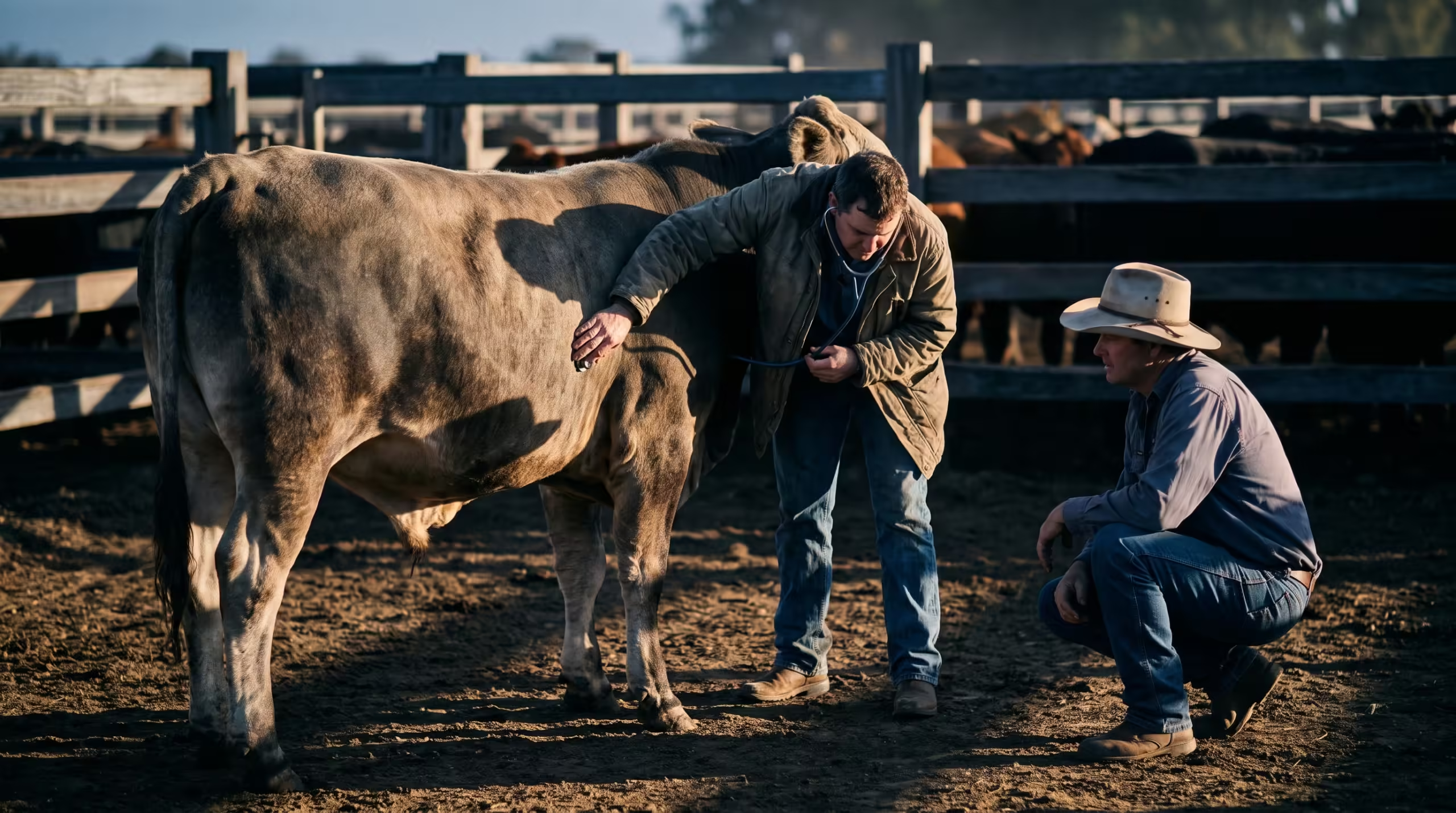

Bovine respiratory disease is the leading cause of sickness and death in Australian feedlot cattle. It strikes hardest in the first four weeks after cattle enter a feedlot or move onto a new property, when stress from transport, weaning, mixing and weather change opens the door to viral and bacterial infection. Early detection and a solid vaccination and biosecurity plan cut losses sharply.
What causes bovine respiratory disease
Bovine respiratory disease, often called BRD or shipping fever, is not one single infection. It develops when stress lowers an animal’s defences and a mix of viruses and bacteria takes hold in the lungs. Cattle grazing quietly on pasture rarely develop it. The trouble starts when several stressors land at once: weaning, transport, yarding, mixing with unfamiliar cattle, a change of feed, or a sudden shift in weather.
The viruses most often involved in Australia include bovine respiratory syncytial virus (BRSV), parainfluenza 3, infectious bovine rhinotracheitis (IBR) and bovine viral diarrhoea virus (BVDV, also known as pestivirus). These weaken the lining of the airways, and bacteria including Mannheimia haemolytica, Pasteurella multocida and Histophilus somni move in behind them and cause pneumonia. Meat & Livestock Australia identifies BRD as the most common cause of illness and death in Australian feedlot cattle, with most cases showing up in the first month after arrival.
The NSW Government’s animal health guidance notes BRD, also called shipping fever, appears most frequently in autumn and early winter, when cold nights, yarding and transport combine to raise stress on cattle already carrying the viruses and bacteria behind it.
Recognising the signs early
Cattle hide illness well, so daily pen or paddock checks matter more than any single test. Watch for animals standing apart from the mob, with drooping ears, a lowered head or a reluctance to move to feed or water. A rectal temperature above 39.5°C is usually the first measurable sign, arriving before obvious coughing or nasal discharge.
| Sign | What to look for |
|---|---|
| Fever | Temperature above 39.5°C, checked by rectal thermometer |
| Breathing | Rapid, shallow breaths, sometimes with an audible grunt |
| Discharge | Cloudy or thick nasal discharge, watery eyes |
| Coughing | Dry, repeated cough, worse after exercise |
| Behaviour | Standing alone, reduced appetite, droopy ears, slow to rise |
Animals showing more than one of these signs need attention the same day. Waiting a day or two to see whether an animal improves on its own gives the infection time to spread through the lungs and through the mob.
Some feedlots now use automated temperature or ear tag sensors to flag fevers before an animal shows visible distress, though a trained eye walking the pen twice a day remains the backbone of early detection on most Australian properties. Whichever method you use, record every animal pulled for treatment against its NLIS tag. A pattern of repeat cases from the same source paddock or the same vendor tells you where to focus your biosecurity work next season.
Risk factors stacking up against a mob
BRD rarely comes from a single cause. It builds from several pressures landing on cattle in a short window. The main ones producers see across Australian systems include:
- Weaning stress. Calves separated from their mothers and moved off familiar pasture at the same time carry a heavier load than those weaned gradually.
- Transport and yarding. Long trips, extended time in saleyards, and unfamiliar water and feed all add to the burden.
- Mixing sources. Cattle drawn from several vendors bring different exposure histories and different levels of immunity into the one pen.
- Weather swings. A sudden cold snap or a wet, muddy yard after a dry spell raises the energy cattle spend on staying warm and dry, leaving less for fighting infection.
- Poor ventilation and dust. Crowded pens with heavy dust or stale air irritate the airways before any pathogen arrives.
Reviewing which of these apply to your operation, and addressing the ones within your control, does more to lower BRD rates over a season than treating each case as it appears.
Get the latest cattle market updates straight to your inbox. Subscribe free to Cattle Weekly’s weekly newsletter. Subscribe here.
Prevention through vaccination and biosecurity
Vaccination remains the strongest tool against BRD, particularly against the viral triggers opening the way for bacterial pneumonia. Talk to your vet about a program suited to your enterprise: which vaccines, at what age, and how far ahead of weaning or transport to give the first and booster doses. Programs timed several weeks before a known stress event, rather than on the day of it, give the immune system a chance to respond before the challenge arrives.
Beyond vaccination, three practices lower the pressure BRD puts on a mob:
- Preconditioning. Weaning calves and settling them onto their new feed at home, well before sale or transport, reduces the stress load they carry into a feedlot or new paddock.
- Grouping by source. Mixing cattle from several vendors at once multiplies the range of pathogens circulating in a pen. Where possible, keep groups together rather than splitting and remixing them.
- Shelter and yard design. Shade, wind breaks and dry standing ground reduce the cold and wet stress BRD exploits, especially through an autumn or winter intake.
For producers running cattle through a feedlot phase, read our guide to cattle nutrition and feeding for detail on transition feeding, which supports the immune system through the highest-risk weeks.
Reducing stress on transport day
Transport itself is one of the sharpest stress spikes a young animal faces, and it sits at the centre of most BRD outbreaks. Small changes on the day cut the load: load cattle quietly without dogs or electric prodders, avoid mixing unfamiliar groups in the truck, and plan the trip to arrive during daylight so cattle settle into a new yard before dark. Offer clean water and familiar-type feed as soon as they arrive, and hold new arrivals apart from the rest of the herd for the first week or two so any developing infection shows up before it spreads further.
Treatment and when to call the vet
Early treatment gives the best outcome. Antimicrobials prescribed by a veterinarian remain the main line of treatment once BRD is diagnosed, alongside anti-inflammatory support to bring down fever and ease breathing. Cattle treated in the first day or two of visible signs recover at a noticeably higher rate than those treated after the infection has settled deeper into the lungs.
Set a simple daily routine: walk the pens or paddock at the same time each day, record any animal pulled for treatment, and note whether it responds within 48 hours. An animal failing to improve on the first treatment needs a vet’s assessment rather than a repeat dose on guesswork. Persistent or repeated cases across a mob are also a signal to review your vaccination timing and yard biosecurity rather than treating each case in isolation.
Producers new to structured animal husbandry more broadly will find grounding detail in our guide on how to care for cattle in Australia, and the full picture of disease prevention across the herd sits in our cattle health in Australia guide.
Building a BRD plan for your property
A written plan, agreed with your vet, turns BRD from a recurring surprise into a managed risk. It should set out your vaccination schedule and timing, your preconditioning steps before sale or transport, and a clear protocol for identifying and treating sick animals, including who checks pens and when. Review it every year, particularly if you change vendors, yard layout or transport distances, since each of these shifts the stress load your cattle carry. Share the plan with everyone who handles cattle on the property, from casual mustering staff to family members doing the morning feed run, so pen checks happen on schedule regardless of who is rostered on.
The cost of a BRD outbreak runs well beyond the price of antimicrobials. Reduced weight gain, extra labour for treatment, and cattle never fully catching up in condition all add to the bill. A prevention plan costs less than an outbreak, and it pays for itself in the weeks a mob spends recovering rather than growing.
Producers selling into feedlots or export supply chains carry an added incentive to keep BRD rates low. Buyers and feedlot operators track health history at the vendor level, and a property with a reputation for well-prepared, low-risk cattle often finds it easier to place mobs on favourable terms. A documented vaccination and preconditioning program, agreed with your vet and applied consistently, becomes part of a property’s reputation over time.
Frequently asked questions
What is the biggest risk period for bovine respiratory disease?
The first two to four weeks after cattle enter a feedlot or arrive on a new property carry the highest risk, when transport, weaning and mixing stress stack up at once.
Does BRD affect cattle on pasture, outside feedlots?
Yes, though it is far less common. Pasture cattle under low stress rarely develop BRD, but weaning, sudden weather change or transport still trigger cases outside a feedlot setting.
How soon should a sick animal be treated?
As soon as signs appear. Cattle identified and treated within the first day or two of visible illness recover at a much higher rate than those treated after several days.
Does vaccination fully prevent BRD?
No vaccine removes all risk, but a program timed well ahead of known stress events, agreed with your vet, sharply reduces both the number of cases and their severity.
What time of year does BRD peak in Australia?
Autumn and early winter, when cold nights and yarding coincide with cattle movement and mixing.