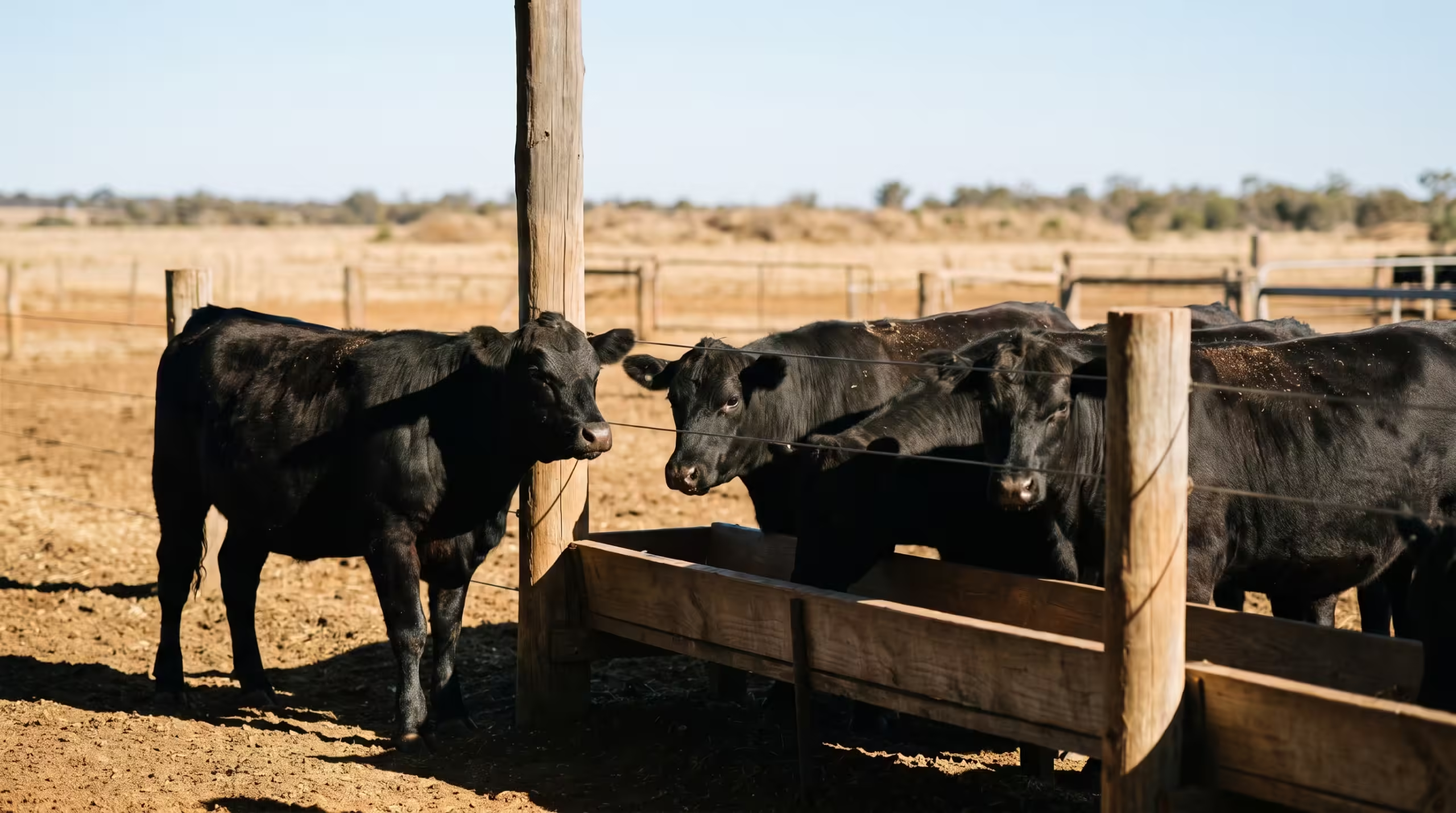

Grain finishing feeds cattle a high-energy grain ration for a set number of days before slaughter. Australian feedlots use it to lift marbling, hold carcase weight and meet the specifications of export and domestic buyers. A grain-fed label requires a minimum period on feed, and the standard is 70 days under the National Feedlot Accreditation Scheme. Producers who finish on grain need a ration, an adaptation plan and a market before the first animal enters the pen.
This guide explains how grain finishing works, what you feed, how long it takes, the health risks and the questions to ask before you commit stock. It forms part of our complete guide to cattle nutrition and feeding in Australia.
What grain finishing is and why producers use it
Grain finishing moves cattle from pasture or a backgrounding system onto a grain-based ration, either in a commercial feedlot or in a paddock feeding system on your own property. The ration holds more energy than pasture. Cattle lay down intramuscular fat, which buyers call marbling, and grow at a steady rate through the year regardless of seasonal pasture quality.
Three reasons drive the choice:
- Market access. Many export programs, including Japanese grain-fed specifications, require minimum days on feed. The Australian Lot Feeders’ Association (ALFA) reports industry data on feedlot capacity and cattle on feed each quarter.
- Consistency. A formulated ration gives predictable weight gain and carcase quality across the year.
- Drought insurance. A feedlot or a feeding system lets you move cattle off dry paddocks and still finish them.
The trade-off is cost. You pay for grain, labour, freight, yard infrastructure and animal health. Grain prices move with seasons and export demand. Check current prices through a local grain merchant and run the numbers against the expected price per kilogram. MLA’s market information service (MLA Prices and Markets) publishes the indicators you compare against, including the Eastern Young Cattle Indicator (EYCI) and the national feeder steer indicator.
Grain-fed and grass-fed: how the finish differs
Grass-fed cattle finish on pasture and reach slaughter weight on seasonal feed. Their growth stalls in dry spells and the fat cover varies by season. Grain-fed cattle receive a fixed ration, grow steadily and carry more marbling. Our article on raising grass-fed versus grain-fed cattle compares the two systems for Australian producers.
Get the latest cattle market updates straight to your inbox. Subscribe free to Cattle Weekly’s weekly newsletter. Subscribe here
What cattle eat in a grain finishing ration
A finishing ration holds four parts: grain for energy, roughage for rumen function, protein and a mineral and vitamin package.
Grains
Australian rations use barley, wheat, sorghum, maize and triticale, with the mix set by price and local supply. Grains differ in how quickly the rumen ferments them. Wheat and barley ferment fast and raise the risk of acidosis. Sorghum ferments more slowly, and its processing matters a great deal; steam-flaked or finely rolled grain gives the animal more energy from each kilogram than whole grain. A nutritionist formulates the blend for your cattle weight, breed and target market.
Roughage
Cattle need fibre to keep the rumen working. Feedlot rations include hay, silage, cottonseed hulls or similar roughage. Cut the roughage in the ration too far and you raise the acidosis risk.
Protein, minerals and additives
Protein comes from the grain itself, oilseed meals such as cottonseed meal, or urea. Rations carry added calcium, because grain is low in it, along with salt, buffers and a vitamin and trace mineral premix. Many feedlots feed an ionophore such as monensin to improve feed conversion and reduce acidosis. Ionophores are registered products with label directions and withholding periods. Our companion guide on cattle mineral supplements for Australian farmers covers the mineral side of the ration in more detail.
Adapting cattle to grain
The rumen holds microbes tuned to the current diet. A sudden move to grain overwhelms them, lactic acid builds up and the animal suffers acidosis. Adaptation protects both the animal and your margin.
- Start on a low grain share. Begin with a high-roughage starter ration.
- Step up in stages. Move cattle through several rations, each with more grain and less roughage than the last. Adaptation typically runs two to three weeks, though your nutritionist sets the program for your grain type.
- Feed at the same times each day. Irregular feeding causes surges in intake.
- Watch the pens. Check manure consistency, intake and behaviour every day.
- Keep clean water available. Water intake rises sharply on grain. Check troughs daily.
Never move cattle from poor pasture straight onto a full grain ration. Hungry cattle eat fast, and fast intake is the main trigger for acidosis.
How long do cattle stay on feed?
Days on feed depend on the market. The National Feedlot Accreditation Scheme (NFAS) sets 70 days as the minimum for a grain-fed claim. Longer programs serve premium export markets, including Japanese Ox programs, which run well beyond the minimum. Your processor or feedlot publishes the specification for each program. Ask for the target weight, fat depth and marbling score before you place cattle.
Entry weight, breed and condition also affect the time. British breeds such as Angus finish on grain at lighter weights than Bos indicus-cross cattle in many programs. Our guide to cattle breed selection covers how genetics shape finishing performance.
Health risks in grain finishing
Acidosis
Acidosis is the most common nutritional disorder in grain-fed cattle. Signs include scouring, off-feed behaviour, bloat and lameness. Severe cases kill. Prevent it with a staged adaptation program, steady feeding times and sound roughage levels.
Bloat
Frothy bloat appears when gas becomes trapped in the rumen. Fine grain and lush legume pasture raise the risk. Call your vet at the first sign, and ask them for a bloat treatment plan before you start feeding.
Bovine respiratory disease
Cattle entering a feedlot face stress from transport, mixing and a new diet. Bovine respiratory disease (BRD) is the major cause of sickness and death in feedlots. Vaccination and preconditioning before entry reduce the risk. Read our guide to bovine respiratory disease in Australian cattle and our cattle vaccination schedule before you plan entry.
Heat stress
Dark-hided cattle on full grain rations carry high heat loads in summer. Shade, water and low-stress handling reduce losses. See our article on heat stress in cattle.
Feedlot accreditation and compliance
Commercial feedlots in Australia hold accreditation under the National Feedlot Accreditation Scheme, which sets standards for animal welfare, environmental management and quality assurance. Your state environment agency regulates feedlot approvals, and your local council sets planning conditions. Cattle moving onto and off a feedlot must carry NLIS devices and be recorded on the NLIS database. Feeding on your own property also requires a record of ration ingredients, additives and withholding periods, and you meet animal welfare duties under your state legislation and the Australian Animal Welfare Standards and Guidelines. Check your state department of agriculture for the current rules.
Costing a grain finishing program
Work through the full budget before you commit cattle.
- Purchase or opportunity cost of the animal at entry
- Grain, roughage and supplement cost per head per day
- Days on feed multiplied by daily ration cost
- Yard fees, freight and handling
- Veterinary and health costs, including vaccination
- Interest on working capital
- Expected carcase weight and price per kilogram
Compare the result with the expected return from selling the same animal off pasture. Use current indicator prices from MLA, and treat a spreadsheet margin as a plan, not a promise. Seasonal grain prices decide many margins. If you use a custom feedlot, ask for a written fee schedule and the performance data from recent pens.
Custom feedlot or your own property
You have two routes. A custom feedlot takes your cattle, feeds them and charges a daily yard fee plus the ration cost. You carry the cattle price risk and the feed cost risk, but you avoid capital spending. Feeding on your own property keeps the margin on feed, but you carry the cost of troughs, handling facilities, grain storage, labour and compliance.
Test the custom option first. Send one consignment, record the entry weight, exit weight, days on feed, health losses and the final carcase result, then compare the net return with your pasture-sold alternative. Ask the feedlot for its mortality rate, its average daily gain across recent pens and its policy on sick animals. A written agreement protects you if cattle fail to meet specification.
Frequently asked questions
How long do cattle need to be on grain to be called grain-fed in Australia?
The National Feedlot Accreditation Scheme sets a minimum of 70 days on feed for a grain-fed claim. Many premium export programs require far longer. Check your buyer’s specification before you place cattle.
What grains do Australian feedlots feed to cattle?
Barley, wheat, sorghum, maize and triticale are the most common grains. The choice depends on local supply and price. Feedlots usually process the grain by steam-flaking or rolling to improve digestibility, and add roughage, protein and minerals to complete the ration.
Is grain finishing cattle on your own property worthwhile?
It depends on your grain cost, infrastructure and market. You need yards, feed troughs, water, a nutritionist and a buyer who pays a premium. Compare your costs against selling off pasture or using a custom feedlot, and ask your processor about price grids for grain-fed cattle.
What is acidosis in cattle and how do I prevent it?
Acidosis is a drop in rumen pH after cattle eat too much fermentable grain. Prevent it with a staged adaptation program, regular feeding times, adequate roughage and constant clean water. Call your vet if cattle scour, stop eating or show bloat.
Do I need a licence to run a feedlot in Australia?
Commercial feedlots need planning and environmental approval from the state and local authorities, and most operate under the National Feedlot Accreditation Scheme to supply major buyers. Contact your state department of agriculture and your local council before you build or expand.