

This practical guide helps Australian producers match animal traits to market aims and on-farm realities. With more than 250 recognised breeds worldwide and many options available to local producers, the right choice starts with clear objectives.
Producers will find straightforward advice on setting market-driven goals, using objective tools like EBVs and BreedObject, and reading visual cues at the yards. The guide covers heat-tolerant types such as Brahman, hardy cool-climate stock like Highlands, and popular options including Angus and Charolais.
It also links land size, carrying capacity (DSE), and handling needs to practical stocking plans. That keeps pastures healthy and margins steady while meeting processor specifications for marbling, growth and calving ease.
Key takeaways
- Define clear market and on-farm goals before making a choice.
- Use EBVs and objective tools alongside visual assessment.
- Match animals to climate, parasite pressure and pasture capacity.
- Plan stocking in DSE terms to prevent overgrazing.
- Consider temperament, polled status and handling for safety and labour use.
Why breed choice matters in Australia right now
This season, matching stock to local country and market directly affects profit and herd resilience.
Input costs, variable rainfall and tighter market specs mean genetic choice is a practical risk tool. Picking animals that fit your paddocks and labour cuts feed demand and veterinary bills.
Producers in the north need heat- and parasite-tolerant lines such as Brahman influence and Watusi for extreme heat. Southern or alpine properties suit hardy, cool-adapted types like Highland or Belted Galloway.
Smaller-frame stock — Dexter, Miniature Hereford and Australian Lowline — often keep condition on lighter pasture and suit low‑input systems. Temperament matters too: calm animals save time and reduce handling incidents on modest yards.
Key takeaways:
- Match animals to local weather and grazing conditions to protect margins.
- Prioritise feed efficiency and parasite resistance where pressure is high.
- Think 5–10 years ahead to keep herd production and market compliance on track.
| Type | Strengths | Limits | Ideal region |
|---|---|---|---|
| Dexter | Adaptable, easy handling | Smaller carcase | Mixed climates |
| Highland | Cold tolerance, hardy | Poor in extreme heat | Cool, alpine |
| Brahman | Heat & parasite tolerance | Less marbling in some lines | Northern tropics |
| Watusi / Lowline | Extreme heat resilience / humidity tolerance | Specialist management needs | Hot/humid and varied |
Cattle breed selection
Use this concise checklist to narrow down practical options for your property and market targets.
User intent and how this roundup helps
Quick filtering: producers can scan for beef, milk or dual-purpose outcomes and fast-track a shortlist.
Practical focus: highlight temperaments, polled vs horned types and handling needs so animals match your labour and fencing.
Matching breeds to beef, milk or dual-purpose goals
For meat-focused operations, Angus and Red Angus bring marbling and early maturity. Charolais and Limousin add growth and yield for heavier carcases.
Dual-purpose options like Simmental and Gelbvieh suit systems that need both milk and meat performance. Dexters and Australian Lowline fit small-block owners who want manageable size and milk-for-weight efficiency.
- Beef specialists: marbling (Angus), growth (Charolais).
- Dual-purpose: Simmental, Gelbvieh or Dexter for flexible returns.
- Dairy-origin beef: Holstein surplus calves can be finished for value when feed and markets align.
| Type | Primary use | Practical note |
|---|---|---|
| Angus / Red Angus | Beef | Marbling, early maturity, polled options |
| Simmental / Gelbvieh | Dual-purpose | Good milk and meat, flexible for mixed operations |
| Dexter / Lowline | Dual / small-block | Compact, efficient, suitable for limited pasture |
How to use this roundup: pick two or three types that align with your market specs and test on a small group before a wider purchase. Match carcase targets to feeding and handling plans to convert genetic potential into on-farm value.
Set clear breeding objectives before you buy
Begin by naming the market outcome you want, then list the measurable traits that will get you there. A written objective keeps decisions practical and links on‑farm work to returns.
Define market-driven traits: marbling, growth, fertility, calving ease
Start simple: rank marbling, growth, fertility and ease calving by their effect on profit. Include temperaments and structure so animals suit your yards and labour.
- Marbling and carcase quality for premium markets.
- Growth and feed efficiency for faster turnoff and lower costs.
- Fertility and calving ease to lower losses and reduce time handling mothers.
Use BreedObject and BREEDPLAN EBVs to stay objective
Convert trait rankings into selection indexes. BREEDPLAN EBVs compare candidate sires and dams on growth, carcase and maternal traits. BreedObject helps turn your emphasis into a single index that matches your market. MLA’s More Beef from Pastures guidance on using BreedObject stresses that correctly setting the breeding objective for your production system and target market is critical, because an inappropriate objective places the wrong emphasis on traits such as carcase weight, mature weight or weaning rate.
Classing and culling to keep your herd on track
Class regularly, record weights, joining and weaning data, and cull animals that miss target specs. Choose bulls whose EBV profile fits your objective so production and quality improve over time.
| Action | Tool | Expected result |
|---|---|---|
| Write a market‑linked objective | Simple one‑page brief | Clear procurement way and purchasing criteria |
| Compare sires and dams | BREEDPLAN EBVs | Repeatable genetic gain for growth and carcase |
| Convert traits to index | BreedObject | Selection aligned to target market quality |
| Class and cull annually | On‑farm records | Higher average merit across the herd |
Climate and environment: heat, humidity, cold and pasture conditions
Climate and paddock conditions dictate which animals will thrive — and which will struggle. Match animals to your local weather and pasture to protect condition, growth and herd health.
Heat and parasite pressure
In northern Australia, types with Brahman influence cope better with heat and ticks. Loose skin, large ears and sweating capacity help with cooling.
Practical note: zebu‑derived animals and composites often show strong pest resistance and need fewer chemical treatments.
Cool, high‑rainfall and alpine areas
Long‑haired and double‑coated types keep condition in wet, cold zones. Highlands and Belted Galloways shed rain and stay warm without extra backfat.
Dexter and Australian Lowline suit mixed seasons; they handle both hot spells and cold snaps with fewer losses.
- Match skin, coat and ear type to fly pressure and UV to reduce pinkeye and stress.
- Consider pasture drainage — heavy coats struggle in boggy paddocks.
- Comfort equals intake: animals that stay grazing hit finishing targets faster and reduce disease risk.
Land size, pasture quality and stocking rate in DSE terms
Good production depends on balancing animal demand with what the country can reliably grow.
Understanding DSE and carrying capacity for Aussie farms
DSE standardises grazing pressure so producers can compare animals on the same scale. One DSE equals about 7.6 MJ/day.
Use simple examples: a Dexter is ~6 DSE and a large Angus around 15 DSE. That helps match stock to hectares and pasture growth.
Using MLA tools and records to avoid overgrazing
Carrying capacity is how long the country will support animals without decline. Stocking rate is how many head are on the ground now.
Start conservative if you lack long records. Track rainfall, pasture cover and animal condition, and adjust the rate as data improves.
Practical checklist
- Run DSE figures before buying animals.
- Keep a seasonal buffer for dry weather or late breaks.
- Treat supplementary feed as a bridge, not a permanent fix.
| Animal example | Approx DSE | Practical note |
|---|---|---|
| Dexter | 6 | Lower feed demand, suits smaller blocks |
| Large Angus | 15 | Higher growth potential but greater pasture draw |
| Full-sized cow (rule‑of‑thumb) | 12–15 | Often ~1 cow per hectare on good pasture |
Infrastructure, handling skills and temperament
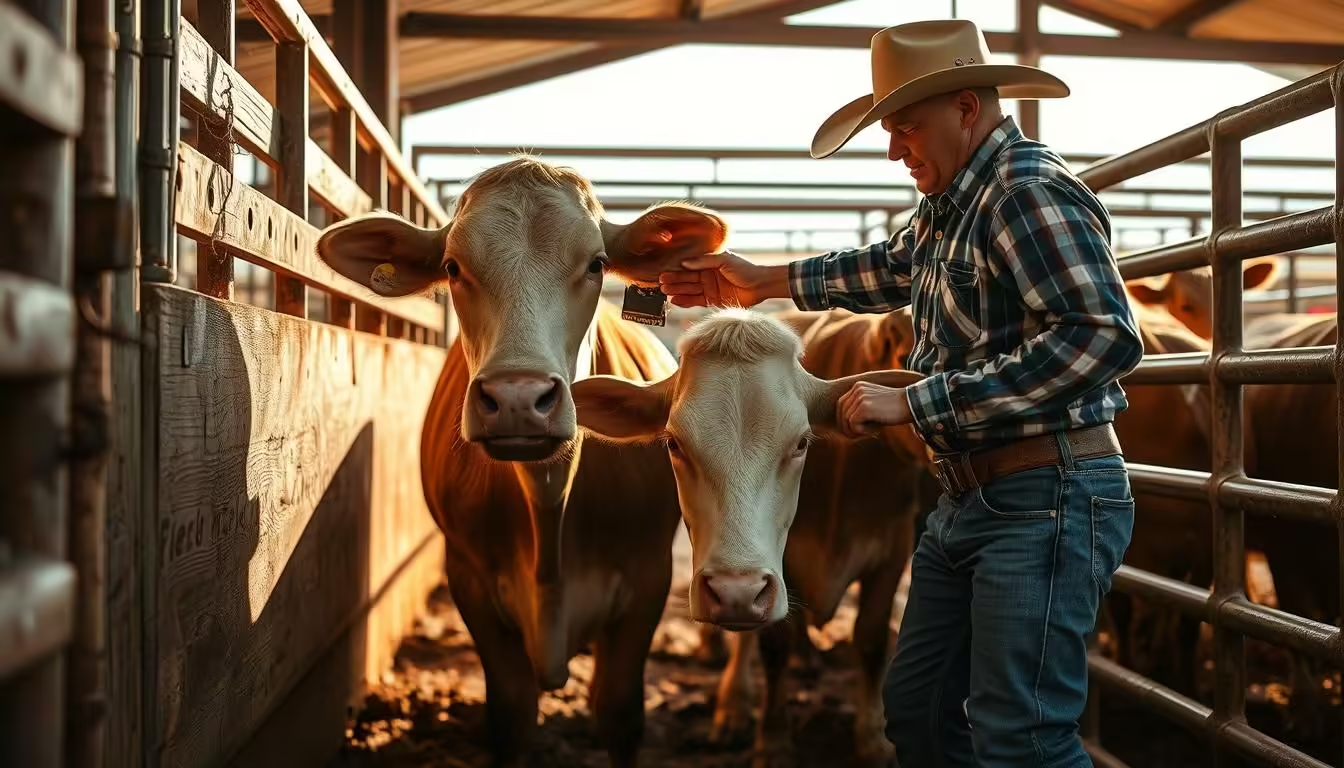
Match your yards and people to the animals you plan to run — it’s where genetics meets grit. Quiet stock reduce stress, cut labour and keep handlers safe. Small, docile options such as Miniature Hereford and Dexter suit basic yards and family teams.
Larger but calm types like Simmental or Gelbvieh need sturdier fences and wider races. Bulls demand reinforced fencing, proper race widths and ramp heights to suit their size and strength.
- Temperament first: match animal calmness to your handling skills and yard design.
- Fit-for-purpose gear: good gates, hinges and latches cut jams and bruising for cows and people.
- Polled or horned: polled animals lower risk in tight yards; horns need extra clearances and good head control.
- Shelter and water: shade and clean water keep intake steady in hot country.
Choice of stock should reflect current needs and future plans. Handling ease translates into timely treatments, fewer missed pregnancies and steadier weight gains for the operation.
Roundup: small and miniature breeds suited to lifestyle blocks
For lifestyle blocks, compact animals offer practical gains: lower feed demand, simpler yards and steady returns to the freezer. Small types suit family teams and modest pastures while still delivering quality meat and occasional milk.
Miniature Hereford
Docile and adaptable. Miniature Hereford fit many climates and take up less space. Typical stocking rate is around two cows per hectare on good pasture. They are an approachable entry point for new producers.
Dexter
Dual-purpose and calm. Dexters milk and finish early for meat, and are known for easy calving. Expect about 2–3 cows per hectare where pasture allows. Their size and temperament suit small yards and family work.
Australian Lowline
Fertile and naturally polled. Lowline animals are quiet and efficient, often finishing on grass by about 14 months. A realistic stocking rate is 2–3 cows per hectare. Good mothers and efficient converters, they give solid carcase quality without heavy grain use.
Mini Belted Galloway
Hardy with a double coat. Mini Belties handle cold country well and are non‑selective grazers. Stocking sits near 1–2 cows per hectare. Meat is lean with good marbling for their size, and many are polled which eases handling.
- Practical note: smaller stock reduce pressure on fences, yards and labour.
- Docility and strong maternal traits make routine work — tags, weaning and vaccinations — simpler.
- Select reputable sellers who supply performance records and finishing guidance for reliable quality.
“Small doesn’t mean compromise — it can mean sensible production and easier management.”
Roundup: heat- and parasite-tolerant breeds for northern conditions
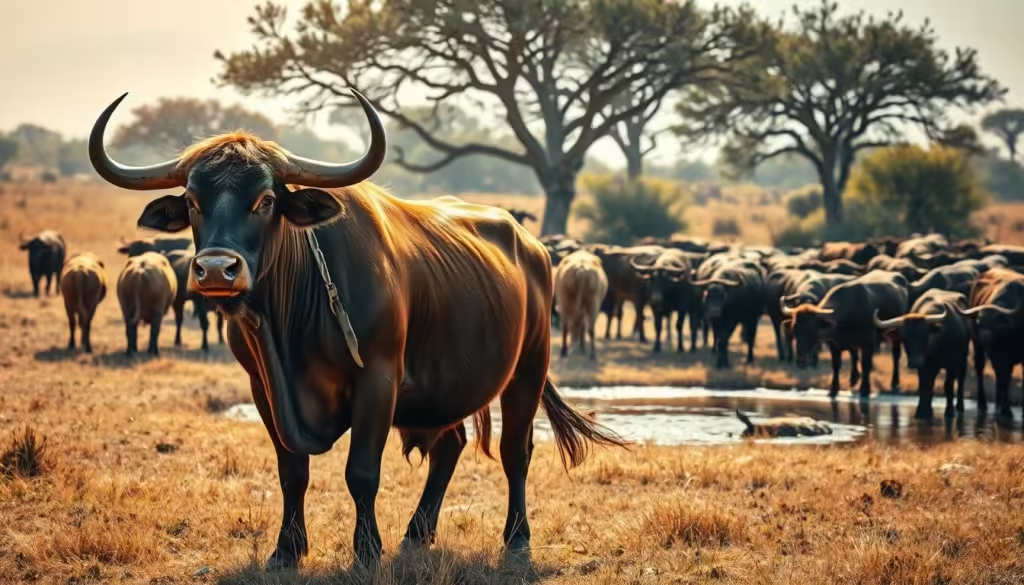
Where summers are long and pests are constant, resilient animals protect both pasture and profit.
Brahman
Originating in India, Brahman carry a distinct shoulder hump, loose skin and large ears. These traits aid cooling through sweating and air flow. Natural oils and skin texture help repel insects and reduce tick loads.
They underpin many northern programs because steady intake in hot weather preserves growth and herd condition.
Zebu
Zebu types are compact and built for humidity. They show strong disease and parasite resistance and suit tighter country.
On small farms expect a practical stocking rate near three cows per hectare, though local pasture and water change that figure.
Bramalow (Lowline × Brahman)
Bramalow composites blend Lowline efficiency with Brahman adaptability. Developed from 2000 onwards, they are compact, often naturally polled and finish early for beef markets.
The composite offers tick and heat resistance while keeping yard work simpler and finishing times quicker.
- Horn status: Brahman lines are commonly horned; composites may be polled — plan yards accordingly.
- Practical gains: these animals cut chemical reliance and reduce stress under tough tropical conditions.
- Use bulls with sound maternal EBVs to lift calving and weaning results in extensive country.
- Crossbreeding can add marbling and finishing traits while keeping tropical resilience.
“Heat-adapted animals keep grazing during the hot part of the day, protecting growth paths that temperate types often lose.”
Roundup: dual-purpose and versatile European breeds
European dual-purpose types are a practical starting point when a farm needs both milk and meat without complex systems.
Gelbvieh
Gelbvieh offer a strong maternal package. They bring fertility, easy calving and good mothers that suit mixed enterprises.
On modest pasture expect a stocking rate around one cow per hectare. Their feeding efficiency helps lower costs while supporting steady production.
Simmental
Simmental are calm and versatile. Farmers use them for milk, meat and even light draft work.
Simmental do well at about one cow per hectare on average paddocks and lift both calf growth and on‑farm milk use.
Shorthorn
Shorthorn bring adaptability and longevity. They convert feed well and suit varied country where long-term resilience matters.
- These breeds underpin crossbreeding to add maternal strength without losing carcase traits.
- Choose lines with tick resistance where needed and pick sires with balanced EBVs for growth and fertility.
- Calm temperament reduces stress, improving weight gains and handling.
| Type | Key strengths | Typical rate |
|---|---|---|
| Gelbvieh | Fertility, easy calving, good mothers | ~1 cow/ha |
| Simmental | Milk & meat versatility, docile | ~1 cow/ha |
| Shorthorn | Adaptable, longevity, good feed conversion | Varies with pasture |
“Dual-purpose European lines balance milk for calves with solid meat performance without high input.”
Roundup: popular beef cattle breeds and what they bring to a herd
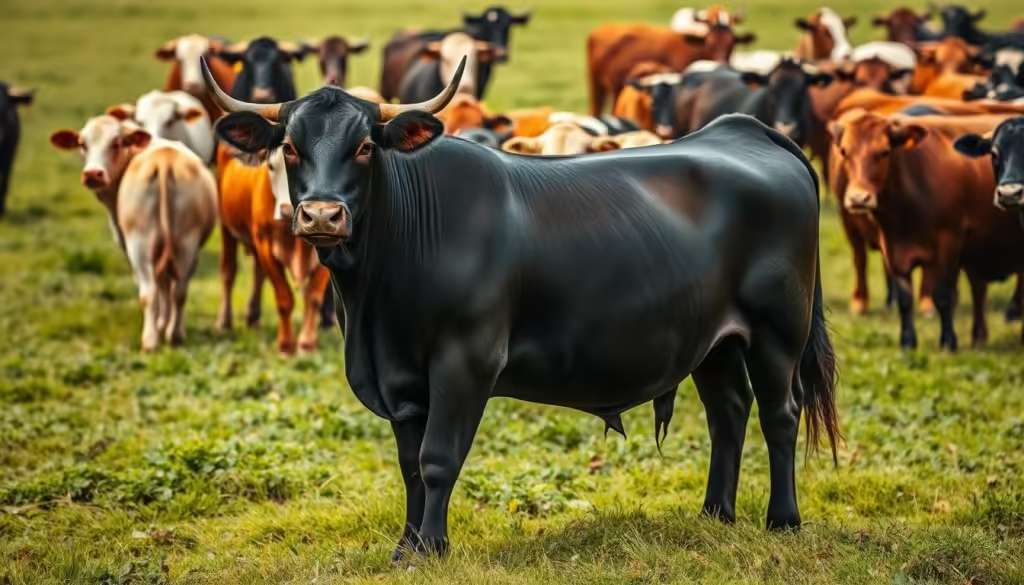
Practical producers lean on a handful of trusted lines to balance calving ease, weight gain and meat quality. This short roundup highlights what each type commonly adds to a commercial herd and where to use them.
Angus and Red Angus
Angus are naturally polled, develop early and bring consistent marbling for premium markets. They suit finishing programs and crossbreeding to lift intramuscular fat without adding horns.
Hereford
Hereford deliver longevity, calm temperaments and reliable ease calving. Good milkers and strong mothers, they form a steady foundation for family herds that value low labour and steady returns.
Charolais
Charolais add frame and growth. Farmers often use Charolais bulls to increase calf size and ruggedness in crossbred progeny, lifting liveweight and carcase potential under varied conditions.
Limousin (and Lim‑Flex)
Limousin score for muscularity and dressing percentage. Lim‑Flex hybrids blend that yield with Angus marbling, giving a balanced carcase for markets that value both weight and quality.
- Pro tip: match EBVs to your cows and pick bulls that suit heifers for calving ease while still improving weight and finishing.
“Use known performance and vendor history — decades of selection give predictable results when matched to your country and sale plan.”
Roundup: hardy and niche breeds for specific environments
Certain niche types are built for places where the weather or pasture limits conventional options. These lines help producers keep condition, calving and paddock use on track when the country is punishing.
Highland
Highland thrive in cool, wet and alpine climates. Their long coat sheds weather while keeping condition up.
They show strong disease resistance and produce lean meat. Note their long horns need considered yards and safe handling.
Belted Galloway
Belted Galloway have a double coat that provides warmth without extra backfat. That allows efficient grazing through poor seasons.
They deliver lean, quality beef with dressing percentages often above 60% of live weight. Good on low‑input systems.
Texas Longhorn
Texas Longhorn bring fertility, easy calving and longevity. They handle parasites and coarse forage well.
These animals suit low‑input stations and help make use of rough pastures while keeping reproductive performance steady.
Watusi
Watusi tolerate extreme heat. Their large horns act as a blood‑cooling system so animals stay grazing in hot weather.
They are useful where shade and water are limited, but horns require tailored yard design for safety.
- Match lines to climates to protect performance and meat quality.
- Horned animals demand yard adjustments and calm handling routines.
- Even hardy stock need an integrated health plan to limit disease risks.
| Type | Key strengths | Practical note |
|---|---|---|
| Highland | Cold tolerance, disease resistance, lean meat | Best for alpine and wet country; horns need space |
| Belted Galloway | Double coat, efficient grazers, high dressing % | Good for low‑input finishing and niche meat markets |
| Texas Longhorn | Fertility, calving ease, longevity | Ideal for rough pasture and low veterinary demand |
| Watusi | Extreme heat tolerance via horn cooling | Suited to very hot, dry country; handle horns in yards |
“Hardy and niche lines pay when country and climate rule the day — pick animals that suit the paddock and the people.”
Roundup: specialty genetics and unique traits
Specialist genetics can offer distinct commercial advantages when paired with the right finishing plan. Two types commonly used to add value are Piedmontese and Holstein‑origin stock. Each gives a different pathway to product differentiation on farm.
Piedmontese
Piedmontese carry a double‑muscled profile that can lift yield and tenderness. Muscle mass is about 14% higher than many other types, and they show hardy, disease‑resistant traits.
- Use as terminal sires to boost carcase yield without changing the whole herd.
- Markets that value leanness and defined muscle can pay premiums.
Holstein (beef from dairy)
Holstein surplus calves give a steady stream of meat‑focused stock from milk systems. Healthy newborns weigh ~90 lb and mature cows can reach ~1,500 lb.
- Finishing depends on targeted feeding to build muscling and fat cover for grid specs.
- Plan paddock space, transport and yarding for larger-framed animals.
“Specialty types pay best when processors recognise and reward the traits you produce.”
Practical takeaway: match sire choice and finishing plans to market specs, track carcase feedback, and adjust yard design and welfare practices for larger or double‑muscled animals.
Crossbreeding strategies: building heterosis into your herd
Using complementary sires and dams captures hybrid vigour while keeping management simple for most operations.
Quality purebreds make quality crossbreds. Keep a solid purebred foundation and use clear maternal and terminal roles to get consistent gains in fertility, calf vigour and overall production.
Practical pairings that work
Angus × Charolais pairs marbling and maternal strength with growth and muscling for heavier, rugged calves. Lim‑Flex blends Limousin yield with Angus marbling to suit many grids.
Brahman‑influenced composites add heat and parasite tolerance while keeping temperament and carcase traits from temperate lines.
- Plan joining groups to protect heifers and push growth on mature cows.
- Record performance by mating type to see what performs on your paddocks and markets.
- Stick to two‑ or three‑breed rotations for manageability unless you have strict record systems.
| Cross | Key gain | Where to use |
|---|---|---|
| Angus × Charolais | Marbling + growth | Finishing & heavier markets |
| Lim‑Flex | Yield + marbling balance | Grid-friendly carcases |
| Brahman composites | Heat & parasite tolerance | Northern, tick-prone areas |
“Crossbreeding pays when paired with clear records and a market plan.”
Shortlisting breeds for your operation
A good shortlist starts by linking pasture, people and profit into a simple plan. Map your market objective, local climates and carrying capacity before you consider animals.
Map objectives + climate + DSE + infrastructure to a final list
Start with a written objective and convert it into measurable traits. MLA’s guidance on selecting a breed also recommends weighing the merits of changing breeds or crossbreeding against within-breed selection, noting that genetic variation within breeds is large enough for many breeds to compete in a range of markets. Use DSE to set a realistic stocking rate and narrow choices to types that fit your pasture and water.
Apply EBVs and BreedObject to fine-tune within a line. That way the final list matches growth, calving ease or marbling targets.
Temperament, polled vs horns, coat and skin for local conditions
Match yard design and skills to temperament. Polled animals are simpler in basic yards; horned stock need more space and head control.
Consider coat and skin: slick coats and loose skin suit heat and parasites. Long or double coats suit wet, cold country.
- Aim for two or three primary breeds or crosses, each with a clear role.
- Use realistic cows-per-hectare figures from your records, not averages.
- Talk with local producers and request stud data and carcase feedback before you buy.
“Shortlist small, test fast and back choices with data.”
Conclusion
A clear plan that links market targets to paddock realities makes practical purchasing decisions simple.
Start with measurable objectives and use EBVs, BreedObject and yard checks to back your choice. Match animals to climate and carrying capacity rather than trends.
Keep stocking rates aligned with DSE and MLA tools so pasture health and animal condition both gain. Use quality purebreds to underpin crossbreeding where heterosis will lift fertility and growth.
Temperament, polled status and handling ease save time and costs over the long run. Match Brahman influence in the north and cool‑tolerant lines in alpine country to protect production and welfare.
Review results each season, talk to local sellers and buy to a plan — steady, data-led choices build value year after year.
FAQ
What are the first steps when deciding which cattle to buy for an Australian property?
Start by defining clear breeding objectives tied to your market: prime beef, dairy, or dual-purpose. Match those objectives to your climate, pasture type and stocking rate (DSE). Use objective tools like BREEDPLAN EBVs and BreedObject to compare genetics. Factor in infrastructure, handling skills and whether you need easy calving or high-growth animals.
How do I match breeds to beef, milk or dual-purpose goals?
For beef-focused operations prioritise marbling and growth — Angus, Charolais and Limousin often fit. For milk or dairy-beef systems use Holsteins or dairy crosses for carcase value. Dual-purpose choices like Simmental and Shorthorn give milk and good beef yield. Always weigh fertility, feed conversion and local market demand when choosing.
How important is calving ease and which breeds are best for easy calving?
Calving ease matters for labour, cow survival and calf vigour. Breeds known for easy calving include Hereford, Angus and smaller-framed breeds such as Dexter and Miniature Hereford. Use EBVs for birth weight and calving ease, and select bulls with proven low-dystocia figures to reduce problems at calving.
How do climate and parasites shape breed choice in northern Australia?
Northern conditions demand heat and parasite tolerance. Tropically adapted breeds — Brahman, Zebu and Brahman-influenced composites — bring loose skin, resistance to ticks and heat tolerance. Composites like Bramalow aim to blend tick resistance with better carcase traits. Match stocking rates to pasture and plan tick control and vaccination programs.
Which breeds suit cool, high-rainfall or alpine areas?
In cooler, wetter districts choose hardy, long-coated breeds such as Highland and Belted Galloway. These animals have weather-resistant coats and perform on lower-quality pasture. European dual-purpose breeds like Simmental and Shorthorn also adapt well where feed is good and shelter is available.
What is DSE and why must I consider it when shortlisting breeds?
DSE (Dry Sheep Equivalent) is a stocking-rate metric used to compare feed demand. Calculating DSE helps avoid overgrazing and identifies realistic herd sizes for your land. Larger, high-growth breeds will carry a higher DSE per head. Use MLA tools and paddock records to set safe carrying capacity and rotate grazing to protect pasture.
How do infrastructure and handling skills influence breed choice?
Handling facilities and stockmanship determine what you can manage safely. Nervous or horned animals need stronger yards and more experienced handlers. If infrastructure is basic, favour docile, polled types like Angus, Hereford or Belted Galloway. Good yards reduce stress, improve fertility and lower injury risks.
Are there reliable small or miniature breeds for lifestyle blocks?
Yes. Miniature Hereford, Dexter, Australian Lowline and Mini Belted Galloway suit small holdings. They are generally docile, fertile and require lower feed per head, with recommended stocking around 1–3 cows/ha depending on pasture. They fit hobby farms and small-scale breeding programs where low labour and easy calving are priorities.
What crossbreeding strategies deliver the best heterosis for meat production?
Use quality purebreds to create complementary crosses: Angus × Charolais for marbling and growth, Lim-Flex for yield and temperament, and Brahman-influenced composites for northern resilience. Planned rotation or terminal-sire systems capture heterosis while retaining maternal performance. Track EBVs and performance records to refine programs.
Which European and dual-purpose breeds perform well across mixed systems?
Gelbvieh, Simmental and Shorthorn offer fertility, milk and beef traits. They adapt to a range of pastures, have good feed conversion and often show longevity. Gelbvieh and Simmental can be tick tolerant in managed systems; Shorthorn is noted for its adaptability and steady production under variable feed conditions.
What niche breeds might be worth considering for specific environments or markets?
Highland and Belted Galloway suit cool, rough country; Texas Longhorn provides fertility and longevity on marginal land; Watusi offers extreme heat tolerance and unique horn traits for very hot regions. Piedmontese provides double-muscled carcases for premium beef markets, while surplus dairy Holsteins can add carcase value from dairy systems.
How should I use BREEDPLAN EBVs and BreedObject in selection?
Use BREEDPLAN EBVs to compare traits like growth, milk, fertility and calving ease across animals. BreedObject helps combine EBVs with economic settings tailored to your enterprise, producing rankings aligned to your market. Together they remove guesswork and keep selection objective — essential for predictable herd improvement.
How do I manage temperament, horns and coat for local conditions?
Prioritise temperament in your shortlisting: calmer stock stress less and handle easier. Choose polled genetics if horns risk yard or handler injury. Coat and skin matter for climate — thicker coats for cool regions, loose skin and lighter coats for heat. Include these traits in sire selection and culling routines.
What role does fertility and longevity play when choosing genetics?
Fertility and cow longevity reduce replacement costs and stabilise production. Look for EBVs and herd records showing consistent calving rates, long productive lives and good mothering ability. Culling by performance and classing calves at weaning keeps herd fertility strong over years.
How do I estimate stocking rates for different breeds on my property?
Translate herd targets into DSE units using local pasture growth estimates. Smaller breeds or those with lower maintenance needs allow higher stocking density per hectare. Use MLA pasture calculators, historical rainfall records and on-farm monitoring to set realistic stocking and avoid feed shortfalls.
More on this topic: Beef Cattle Farming in Australia, the complete guide.
See also: Discover the Latest Cattle Trends in Australia.
Sources and further reading
- Meat & Livestock Australia, More Beef from Pastures – Use BreedObject
- Meat & Livestock Australia, More Beef from Pastures – Select breed

4 comments
[…] cattle breeding is key for Australian farms to thrive. By using the right strategies and technology, farmers can […]
[…] Breed selection differs markedly from extensive systems, favouring continental breeds like Charolais, Limousin, and Simmental or their crosses. These breeds offer superior feed conversion efficiency, faster growth rates, and better-muscled carcasses with higher meat yields—all vital characteristics for economic success in intensive operations. […]
[…] support year-round pasture growth. The six dairying states each have distinct conditions that shape breed selection, feeding systems, and seasonal […]
[…] Breed selection is one of the highest-leverage decisions in any beef cattle enterprise. The right breed for your property depends on your climate, market, production system, and personal management style. The wrong breed wastes years of investment in genetics that underperform in your environment. […]