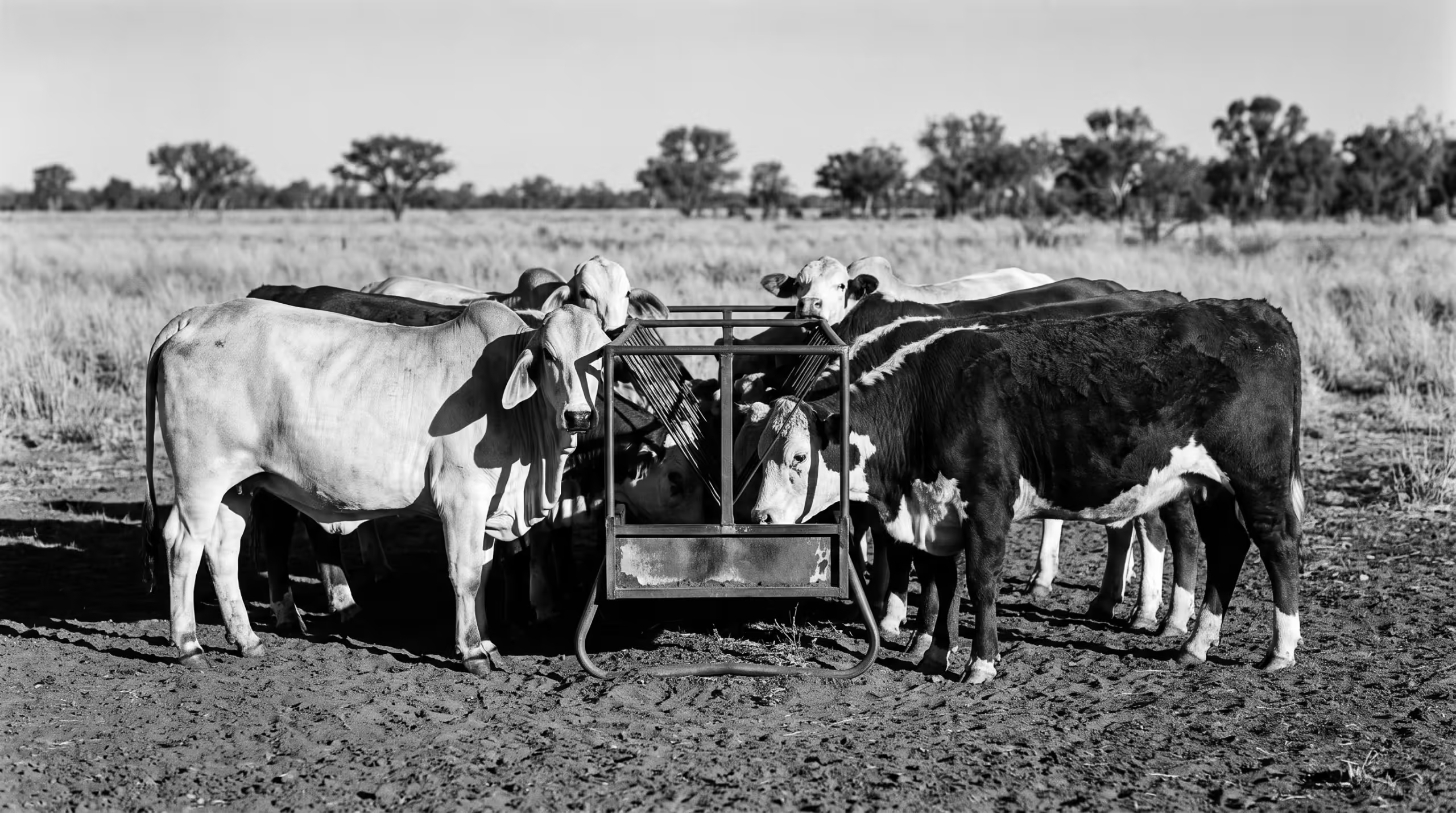

Cattle mineral supplements fill the gaps in your pasture. Australian soils differ by region, so the minerals in your feed differ too. Phosphorus is short across much of northern Australia. Selenium, copper and cobalt run short in parts of the south. You fix a deficiency by identifying it first, then supplying the right mineral in a form your cattle eat in steady amounts.
This guide covers the minerals Australian producers manage most often, how to find a deficiency, how to deliver supplements and how to avoid the mistakes of over-feeding. It sits inside our complete guide to cattle nutrition and feeding in Australia.
Why Australian pastures run short of minerals
Cattle need minerals for growth, bone, fertility, immunity and milk. Pasture and water supply most of them. Soil sets the supply. Old, weathered soils hold little phosphorus, and many coastal and high-rainfall soils hold little copper, cobalt or selenium. Dry-season pasture is also lower in phosphorus and protein, because mature grass pulls minerals back into the root.
Meat & Livestock Australia (MLA) publishes regional guidance on phosphorus management for northern beef herds. It identifies phosphorus as the mineral most likely to limit growth and weaning rates across large areas of the north. Your state agriculture department publishes soil and pasture maps for your own district. Start there before you buy anything.
Four points guide every supplement decision:
- A mineral only pays when the animal is short of it.
- Pasture, water and soil vary from paddock to paddock, so a district average is a starting point only.
- Cattle intake from a lick or loose mix is uneven. Some animals eat none, some eat too much.
- Over-supply costs money and, for copper and selenium, harms animals.
The minerals Australian producers manage most
Phosphorus
Phosphorus drives growth, bone development and conception. Deficient cattle grow slowly, hold poor condition, conceive late and chew bones or wood. Lactating cows and young stock have the highest demand. In phosphorus-deficient country, a wet-season phosphorus supplement is the standard response. MLA’s northern guidance recommends supplying phosphorus during the growing season, when pasture quality is highest and animals convert it into liveweight. Your local DAF or agronomist will confirm whether your paddocks fall in a deficient zone.
Calcium and magnesium
Calcium is rarely short on pasture, but lactating dairy cows and cows after calving draw hard on body reserves. Milk fever follows when blood calcium falls. Magnesium matters in cool, wet, lush conditions. Cattle on rapidly growing winter pasture, particularly cows with calves at foot, develop grass tetany when blood magnesium drops. Producers in southern Victoria, Tasmania and the tablelands of New South Wales know the pattern. Supply magnesium before the risk period and keep it available daily. Cattle stop eating a lick once it tastes bitter, so use a palatable product.
Sodium and sulphur
Salt supplies sodium, and cattle seek it. Salt is also the common carrier for other minerals in a lick, because cattle regulate their intake by taste. Sulphur supports protein synthesis in the rumen. Sulphur becomes important when cattle eat urea or poor-quality roughage.
Copper
Copper deficiency appears in coastal and high-rainfall districts, on acid and peaty soils, and where molybdenum or sulphur in the pasture ties up the copper. Signs include faded coat colour, poor growth and scouring. Copper has a narrow safety margin. Sheep suffer toxicity at levels cattle tolerate, but cattle are still harmed by repeated over-dosing. Test liver or blood before you supplement and follow your vet’s dose.
Cobalt and vitamin B12
Rumen microbes use cobalt to make vitamin B12. Cattle on cobalt-deficient country lose appetite and condition. Cobalt-deficient country exists in parts of southern Australia, including coastal and sandy soils. Cattle on those soils respond to a B12 injection, to cobalt in a lick, or to a cobalt bullet placed in the rumen. Confirm the diagnosis through your vet first, because the signs match many other causes of ill thrift.
Selenium and iodine
Selenium supports muscle function and fertility. Deficiency is documented across parts of the New South Wales tablelands, Victoria and Tasmania. White muscle disease in calves is the classic result. Iodine deficiency produces weak or stillborn calves and goitre. Both minerals carry toxicity risk at excess levels, so dose by recommendation and not by guess.
For the weather-driven side of cattle health, read our cattle health guide for Australian producers, where mineral deficiency sits alongside parasite and disease control.
Get the latest cattle market updates straight to your inbox. Subscribe free to Cattle Weekly’s weekly newsletter. Subscribe here
How to identify a mineral deficiency
Visible signs mislead. Poor growth, rough coats and low conception rates match worm burdens, protein shortage and tick fever equally well. Work through a sequence.
- Check energy and protein first. A cow short of feed will show the same signs as a cow short of phosphorus. Fix feed supply before you buy minerals.
- Review the district. Ask your state department of agriculture or local agronomist which deficiencies are documented near you.
- Test the animal. Your vet will take blood samples for phosphorus, copper, selenium, vitamin B12 and other indicators, or liver biopsies from slaughtered stock. Faecal phosphorus testing is used in the north to track dietary phosphorus intake.
- Test the pasture and soil. A feed test gives you a mineral profile for the actual feed your herd eats.
- Treat, then retest. Check blood levels and animal performance after a season of supplementation. If nothing improves, the mineral was not the limit.
Compare the cost of testing with the cost of a season of the wrong supplement. Ask your vet for current testing prices in your district.
Ways to deliver mineral supplements
Each method trades cost, precision and labour.
| Method | Strength | Weakness |
|---|---|---|
| Loose mineral mix or lick in a feeder | Low labour; supplies several minerals together | Intake varies between animals; weather spoils open feeders |
| Lick blocks | Easy to place at water points; limits wastage | Intake depends on block hardness and cattle taste |
| Water-soluble minerals (magnesium, for example) | Reaches every animal drinking from the trough | Needs a reliable trough; intake falls when cattle drink from dams or creeks |
| In-feed mixing with grain or pellets | Even dose to each animal eating the ration | Needs a feeding system; adds cost |
| Slow-release rumen bullets (cobalt, selenium) | Steady supply for months from one treatment | Yard handling for each animal; plan around muster |
| Injections (B12, selenium, copper) | Exact dose; quick response in diagnosed animals | Labour at the crush; needs a vet’s plan |
Place licks at the water point cattle visit most. Add a second feeder in large paddocks to reach cattle which rarely walk to the trough. Check intake each fortnight in the first season. If cattle eat much more than the product’s target intake, the lick is too palatable. If they eat much less, the lick is too salty or cattle have access to a better source.
Match supplements to the season and class of stock
Mineral needs move through the year.
- Wet season in the north: supply phosphorus while pasture grows.
- Dry season: protein and energy often limit performance before minerals do. Urea-based dry-season licks supply nitrogen to rumen microbes, but intake control is essential. Urea poisons cattle which eat too much, too quickly, or which have not adapted to it.
- Late winter and spring in the south: watch lush pasture for magnesium risk, especially in cows nursing calves.
- Pre-calving and calving: check calcium and magnesium for dairy herds and heavy-lactating beef cows.
- Weaners and growing stock: growth rates reveal deficiency early. Hold weaner paddocks to a defined supplement plan.
- Breeding bulls: zinc, selenium and copper status affect semen quality. Review bull condition and mineral status before joining.
Pasture changes your plan too. Our article on how different forage types affect cattle growth and meat quality explains why legume pastures, native grasses and improved species supply different mineral levels. Broader feeding principles are in cattle nutrition tips for feeding a healthy herd.
Common mistakes with cattle mineral supplements
- Buying a general mix without a diagnosis. You pay for minerals your cattle do not need.
- Treating a feed shortage as a mineral shortage. Cattle short of energy and protein ignore minerals.
- Letting feeders run empty. A feeder empty for a week breaks the supply and causes binge eating when you refill.
- Ignoring interactions. High molybdenum or sulphur reduces copper uptake. High calcium reduces phosphorus and zinc uptake. Your adviser should check the ratio, not each mineral alone.
- Copying a neighbour. Two properties on the same road sit on different soils.
- Skipping records. Record the product, the dose, the date and the response, so next season you compare results.
Regulation and safety
Products sold as stock licks and feed additives must carry a label stating composition and directions. Follow the label. Some mineral products and many injectables carry withholding periods, so check them before you sell. Record treatments in your property records and keep them for your LPA and NLIS obligations. For disease and welfare standards, see the pages on Australian animal welfare standards for cattle.
Frequently asked questions
Do all cattle in Australia need mineral supplements?
No. Cattle need supplements only where pasture, water and soil leave a gap. Phosphorus deficiency is widespread in northern beef country. Copper, cobalt and selenium deficiencies occur in specific southern and coastal districts. Confirm the need through your state department of agriculture, a vet or a feed and soil test.
What is the best mineral lick for beef cattle?
The best lick matches your district’s deficiency. A phosphorus-based lick suits phosphorus-deficient northern country in the wet season. A magnesium-based supplement suits cows on lush winter pasture in the south. A general mix without a diagnosis wastes money.
How do I know if my cattle are low in phosphorus?
Look for slow growth, poor conception, bone chewing and low weaning rates, then confirm with blood tests or faecal phosphorus testing through your vet. MLA’s northern phosphorus guidance sets out the test methods and the regions most affected.
Is it possible to give cattle too many minerals?
Yes. Copper and selenium cause toxicity when over-supplied. Excess calcium also interferes with other minerals. Always follow the label dose, and have your vet review the program after each season.
How much do mineral supplements cost per head?
Cost depends on the product, intake and region. Ask your supplier for the cost per head per day, then compare it with the weight gain or conception gain you expect. Ask your vet whether blood testing before you buy changes the plan.