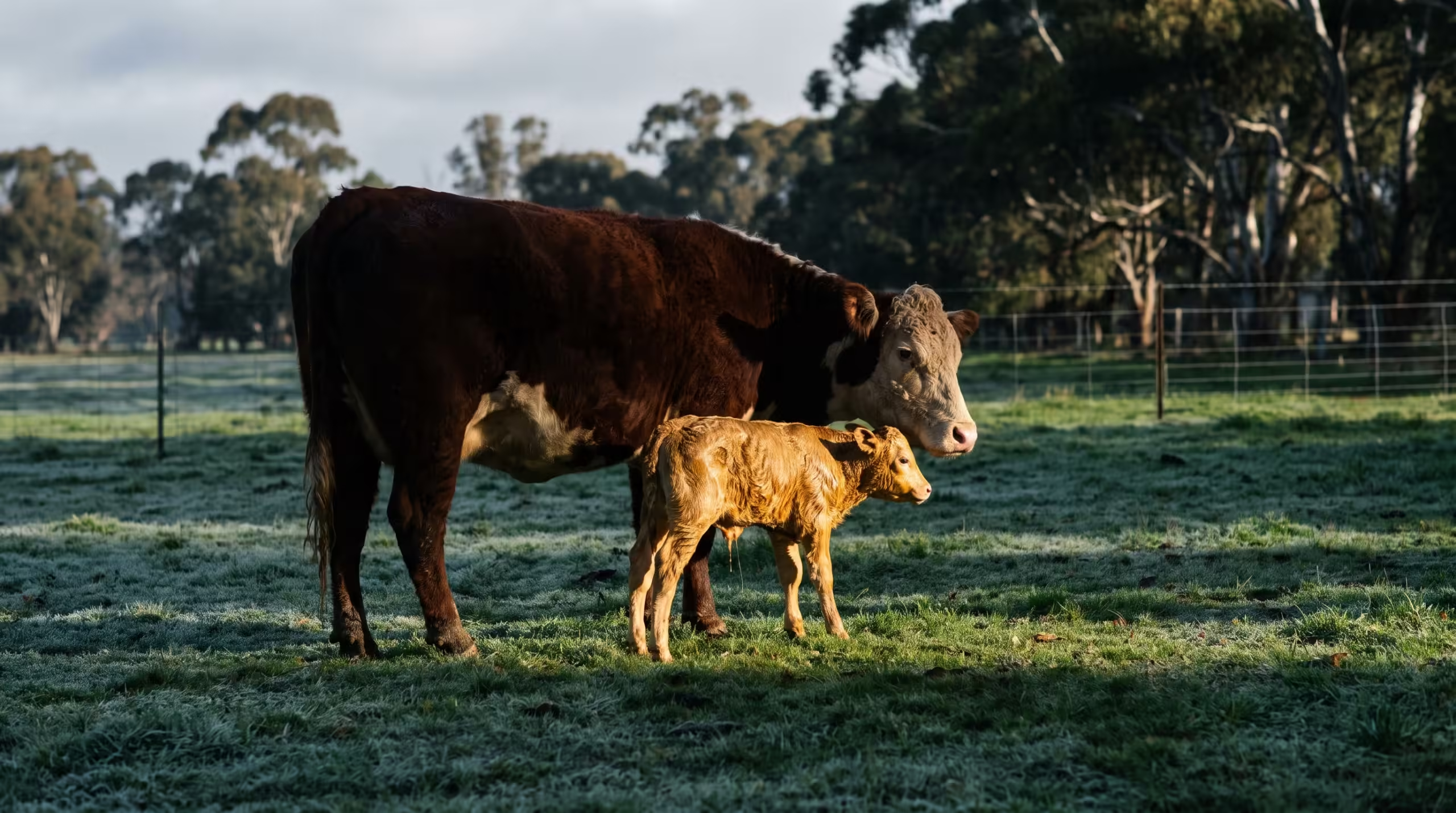

Calving decides your year. Live calves on the ground, cows cycling back on time and fewer 2am paddock runs all trace back to decisions you make in the months before the first calf arrives. This guide covers the full Australian calving season: timing, cow preparation, paddock setup, the three stages of labour, when to intervene, the first day of a calf’s life, and the numbers worth recording.
When Australian Herds Calve
Southern beef herds mostly calve in late winter or early spring, lining peak lactation up with spring pasture growth. Northern herds often calve into the wet season, when feed quality lifts after storm rain. Autumn calving suits producers chasing heavier weaners for a different market window, with the feed budget to carry lactating cows through winter.
Gestation averages about 283 days, with a few days of breed variation either side. Work backwards from your target start date. Calving from 1 August means bulls go in around the third week of October. Meat & Livestock Australia’s More Beef from Pastures program builds herd productivity on a tight, planned calving period, because a compressed window gives you an even line of weaners and one short, intense supervision period instead of months of drift.
Decide the length of your calving window and hold it. A long joining produces a tail of light calves and spreads your labour thin. A six to nine week joining concentrates supervision, supplementary feeding and the weaning draft.
Prepare the Cows Before the First Calf Drops
Body condition at calving drives how fast a cow gets back in calf. Australian scoring runs from 1 (emaciated) to 5 (fat), judged by feel over the short ribs, hip bones and tail head. Target a score of 3 at calving for mature cows, and a little better for first-calf heifers, who are still growing while feeding a calf. Thin cows take longer to return to oestrus, which pushes them late in the next pattern or drops them out of it.
Three jobs belong in the last eight weeks of pregnancy:
- Feed budget. Energy demand climbs steeply through the final trimester. Measure standing feed and line up supplement before the gap appears, not after cows start slipping.
- Vaccination. Clostridial cover given pre-calving passes protection to the calf through colostrum. Ask your vet about adding leptospirosis or vibriosis based on district risk. Our complete guide to cattle health in Australia shows how a whole-herd program fits together across the year.
- Trace minerals. Low selenium, copper or iodine shows up as weak calves and retained membranes. A blood or liver test through your vet returns an answer while you still have time to correct it.
Draft heifers off the mature mob now. Heifers need closer watching, more assistance and a shorter walk to the yards. Running them separately also stops older cows pushing them off feed.
Get the latest cattle market updates straight to your inbox. Subscribe free to the Cattle Weekly newsletter.
Set Up the Calving Paddock
Pick a paddock you drive past daily. For the first week of a calf’s life, shelter from the prevailing wind matters more than feed quality, because cold wet wind kills newborn calves faster than hunger does. Good ground cover keeps mud down and reduces scours risk across the mob.
Run through the infrastructure before the season opens:
- Water within easy reach of a cow with a new calf, who will not walk far for a drink.
- Fences tight enough to stop a calf pushing through into a neighbouring mob or a dam.
- Yards close by, with a headbail and a clean, lit area for assisted calvings.
- Vehicle access in wet weather, so a bogged track does not cost you a calf.
- Phone or radio coverage, checked from the paddock itself rather than the house.
Our notes on reducing cattle loss cover the wider property checks worth doing before peak calving.
The Three Stages of Labour
Knowing normal keeps you from interfering too early and from waiting too long.
Stage one: preparation
The cow leaves the mob, goes off feed and grows restless. Her cervix dilates and the calf rotates into position. This runs a few hours in a mature cow and longer in a heifer. Leave her alone. Moving a cow through stage one stalls her progress and sends her back to the start.
Stage two: delivery
Hard straining begins once the water bag shows. A mature cow usually delivers inside an hour of active straining. A heifer takes longer. Normal presentation is two front feet, soles down, with the nose resting on the legs.
Stage three: cleaning
Membranes come away within several hours of delivery. Membranes still hanging after 12 hours point to a retained placenta. Ring your vet rather than pulling on them.
When to Step In and When to Ring the Vet
Use the clock, not a hunch. State agriculture departments publish district calving guidance worth reading before the season starts, and Agriculture Victoria sets out the welfare obligations attached to assisted calving.
- A heifer straining hard for two hours with no progress needs an internal examination.
- A mature cow straining hard for an hour with no progress needs the same.
- Any presentation other than two front feet and a nose needs attention immediately. A tail or hocks first means a backwards calf, and a backwards calf runs out of oxygen fast.
- One foot showing with no second foot means a leg is back. Reposition before you pull.
- A swollen tongue, a yellow-stained calf or no reflex when you pinch a foot signals a calf in trouble.
Ring the vet early rather than late. A caesarean done early returns a live calf and a cow who breeds again next season. A long failed pull returns neither. Keep a calving kit in the ute: clean lubricant, calving chains and handles, disinfectant, shoulder-length gloves, a torch and your vet’s after-hours number written down.
Pull with the cow, not against her. Apply tension as she strains, with one leg slightly ahead of the other to walk the shoulders through the pelvis, and direct downwards once the head is clear. Stop and ring for help if two people make no progress in ten minutes.
Reduce Calving Difficulty Before It Happens
Most dystocia traces to three inputs you control at joining:
- Bull selection. Use low birth weight and favourable calving ease figures on heifers. Breed societies publish estimated breeding values for both traits, and the difference between two bulls shows up in your heifer paddock nine months later.
- Heifer growth. Joining underdone heifers produces a small pelvis and a hard calving. Set a target mating weight for your breed and hit it, rather than joining on age alone.
- Late-pregnancy feeding. Overfeeding energy in the final trimester adds fat around the birth canal without adding pelvic room.
Records earn their keep here. A cow needing assistance two seasons running is telling you something about her pelvis or her temperament. Our guide to cattle breeding management covers the joining decisions feeding into next season’s calving pattern.
The First 24 Hours of a Calf’s Life
Colostrum is the biggest single lever on calf survival. A calf needs a solid feed inside the first six hours, because the gut absorbs antibodies whole for less than a day and the window narrows quickly. Watch any calf who has not sucked by then, especially out of a heifer with a tight udder or a cow with weak mothering instinct.
- Clear the airway and rub the chest hard if breathing is slow or absent.
- Spray the navel with iodine on calves born in wet or muddy ground.
- Check both halves of the udder for milk and for mastitis.
- Warm a cold, wet calf before feeding. A chilled calf digests colostrum poorly.
- Tag and record sire, dam, date, sex and any assistance given.
- Shift the pair out of the calving area once the calf is up and sucking.
Watch for mismothering across the first two days, particularly in a big mob calving tightly. A cow with a full udder and no calf at foot needs finding before her calf starves.
Count the Result and Act on It
Two numbers describe your season. Both use females joined as the denominator, so losses between joining and weaning stay visible.
- Calving rate = calves born ÷ females joined × 100
- Weaning rate = calves weaned ÷ females joined × 100
The gap between the two is your calf loss. Record where each loss happened: dystocia, mismothering, weather, predation or disease. Two seasons of honest records show you whether the problem sits with heifer selection, bull soundness, nutrition or paddock choice. ABARES publishes farm survey data on beef herd performance, and measuring your figures against regional reporting beats measuring against your own last season alone.
Calving runs into weaning. Our guide to managing weaning for stronger calves picks up where this one stops.
Frequently Asked Questions
How do you calculate calving rate in cattle?
Divide calves born by females joined, then multiply by 100. A herd joining 200 females and producing 176 calves has a calving rate of 88 per cent. Use females joined rather than females confirmed pregnant, so early losses stay inside the number.
What is the average time for a cow to give birth?
A mature cow usually delivers within an hour of hard straining once the water bag appears. A first-calf heifer takes longer. The earlier stage, when she separates from the mob and grows restless, runs for several hours before straining starts.
What is a good calving percentage for cattle?
Targets differ sharply between southern temperate herds and northern herds, where distance, heat and feed quality all drag on reproductive performance. Set your target from your own district’s benchmarks through Meat & Livestock Australia rather than from a single national figure.
How early do cows calve before the due date?
Gestation averages about 283 days, with normal variation of roughly a week either side and consistent differences between breeds. A calf born more than two to three weeks early is premature and needs warmth, shelter and help getting colostrum in.
When should you ring the vet during calving?
Examine a heifer after two hours of hard straining with no progress, and a mature cow after one hour. Ring immediately for a backwards calf, a head-back or leg-back presentation you are unable to correct, or a cow showing no progress after ten minutes of assisted traction.