

Have you ever wondered how a few hours off feed or a dry water trough can shave dollars off the price you get at sale?
This guide cuts through the noise with practical steps. Liveweight is the usual basis for trading, and that drives beef carcase returns. Simple handling and transport choices change the figure on the scales fast.
Here we define the common causes: gut‑fill and moisture shifts, condition slips from stress or poor diet, and the occasional mortality event. Each has different controls and different fixes that producers can apply quickly.
The focus is on what you can influence today: water access, time off feed, low‑stress handling and tidy logistics from yarding to sale or feedlot. Hydration tops the list — keeping stock hydrated preserves gut fill and steadies weight more than most other measures.
Grounded in producer experience and clear data, this guide follows the handling timeline — before, during and after — so busy farmers can act straight away.
Key Takeaways
- Producers are paid on liveweight; every kilo matters.
- Water and time off feed are the fastest levers to protect weight.
- Low‑stress handling improves welfare and sale outcomes.
- Plan mustering and yard time to avoid avoidable slippage.
- Simple checks and quick fixes convert to real dollars.
Understanding cattle loss: causes, costs and where weight goes
Understanding where weight goes helps producers prioritise the quick wins that protect sale returns.
What the term means in practice
Three outcomes matter: short-term liveweight slip from gut fill and tissue moisture, slower condition decline from poor nutrition or stress, and the rare event of mortality.
Liveweight includes body tissues plus gut and bladder contents. Gut fill can be 12–25% of adult liveweight, so small changes show up on the scales fast.
Gut fill, water and hours off feed
Water intake is the main driver during selling. Feed quantity and quality, and the hours since last drink or feed, follow. The steepest drop occurs in the first 12 hours off feed and water; losses slow by 72 hours.
Counting the cost at sale
Practical figures guide decisions. Expect roughly 5–9% shrink over 3–5 days with intermittent access, and nearer 9–10% if unfed. Over a week, losses approach 12–14%.
| Scenario | Duration | Estimated shrink (%) |
|---|---|---|
| Intermittent access (fed) | 3 days | ~5.5% |
| Intermittent access (unfed) | 3 days | ~9% |
| Unfed | 5 days | ~10% |
| Prolonged (intermittent) | 8–11 days | ~12–14% |
- Pasture-fed animals carry more gut fill than grain-fed and shed weight faster when deprived.
- Prioritise water access and minimise yard time to protect per‑head and per‑kilogram returns on the basis of liveweight sales.
How to prevent cattle loss before, during and after handling
Small changes in routine before moving stock make the biggest difference on weigh-in day. Practical actions on-farm protect liveweight and animal welfare from paddock to sale.
Water first: access, timing and reducing shrink from paddock to saleyard
Ensure clean troughs are available from the paddock to the holding yards. When possible, offer water during the selling process to steady gut fill.
Tip: Provide hay or a lick block with water in holding yards to reduce shrink and calm mobs.
Feed quality and diet shifts: pasture vs grain, acidosis risk and safe transitions
Keep roughage available before trucking so the rumen keeps working. Pasture-fed mobs carry more gut fill and can drop weight faster off feed than grain-fed animals.
Any move to higher grain must be gradual. Sudden access to high-carbohydrate feeds risks acute ruminal acidosis. Secure feed storage and controlled access prevent costly incidents.
Low-stress handling and transport: fasting windows, hours vs days, avoiding delays
Plan musters so stock are off feed and water for about 6–8 hours before loading. Load promptly and avoid turning hours into days by booking tight transport windows.
Keep mobs calm, avoid overcrowding and use experienced handlers to reduce cortisol and shrink.
Health management and pasture care: vaccinations, quarantine, debris and wet ground
Keep vaccinations current, quarantine sick animals and monitor for shipping fever signs after travel. Repair wet gateways, remove debris and rotate pasture to preserve quality and foot health.
- Checklist: reliable water at loading points, hay in yards, secure grain storage, and a pre-transport timing plan.
Managing weight loss and recovery: days to weeks that matter
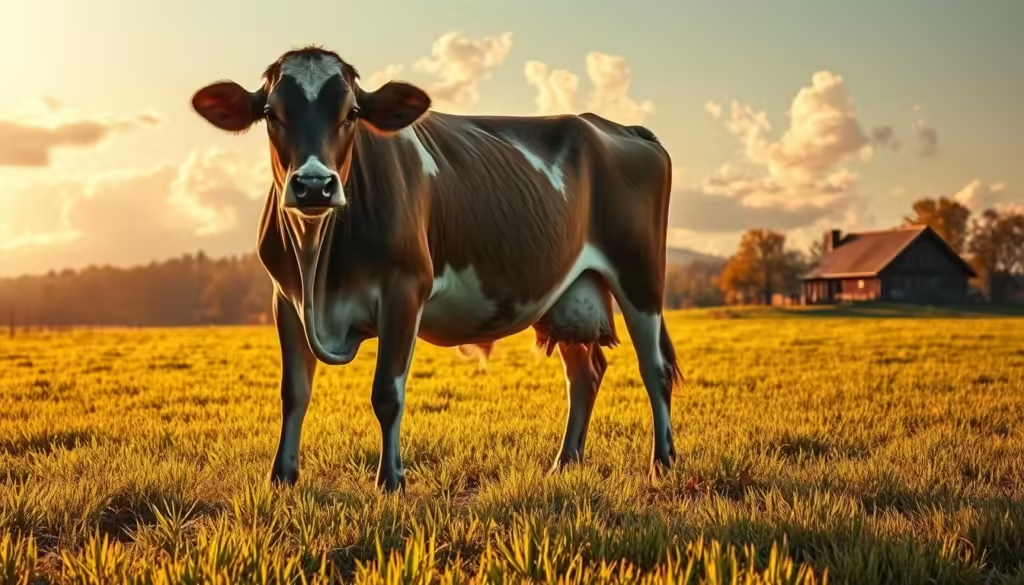
Recovery after a trip is rarely instant — the days that follow set the pace for weight return.
Plan on roughly 10–21 days for most beef to regain pre-transport liveweight, though some mobs rebound in as little as 3 days if stress and deprivation were minimal.
Expected liveweight timelines
Key point: recovery is driven by days at full feed and clean water, not just hours off. Intermittent access during selling reduces shrink compared with full deprivation.
Buying, selling and feeding decisions
- Delay weighing or sale where practical so head have a few days back on feed — that can protect per‑kg returns.
- Choose pasture or feedlot based on consistent access to quality feed, water and low stress.
- Introduce grain slowly. Sudden high-grain access risks acute ruminal acidosis with poor recovery odds.
- Quarantine and observe newly arrived mobs for several days to reduce BRDC spread; consult a vet early if signs appear.
- Record the day animals regained full feed and use that to plan marketing across months and years.
Conclusion
Small, consistent changes around water and movement keep herds healthier and sale‑ready.
Put water at the top of every checklist from paddock to yards and make sure troughs are reliable through to the sale page.
Plan musters so total hours off feed and water stay near 6–8 hours. Get animals back eating and drinking quickly; expect most mobs to need 10–21 days to regain condition.
Manage pasture transitions and ration quantity carefully, keep vaccinations and quarantine current, and tidy lanes and yards so cow and others travel safe.
Record the information on your farm page, learn from neighbours, and think in months and years — small gains compound into steadier beef returns. Control water, timing and calm handling, and the herd will repay you.