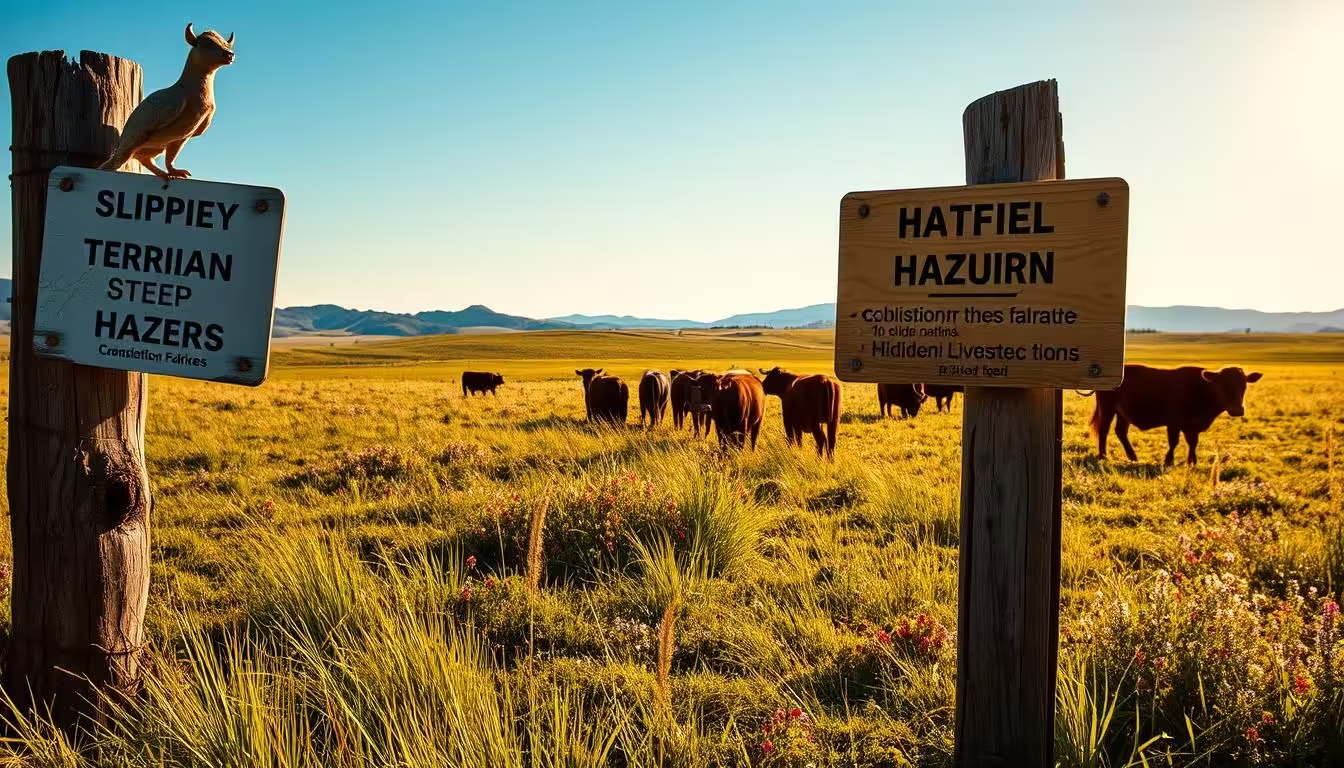

How can simple routines today stop sudden deaths and costly losses tomorrow?
Young, rapidly growing cattle are most at risk when on lush winter forage or grain. Spores of clostridial bacteria linger in soil and faeces and live in healthy animals’ gut and tissues. Timely vaccination — a two‑dose 5‑in‑1 course completed before weaning where possible — is the cornerstone of prevention.
Good hygiene at marking and careful carcass handling matter as much as vaccines. Remove soil, blood and hair from instruments, and follow a vet’s advice on burning or deep‑burying carcasses rather than dragging them. Transport and yarding are high‑risk windows for liveweight loss; offering water and hay limits gut fill reduction and speeds recovery.
This page sets out practical, Australia‑focused management steps producers can use this season to reduce risk, keep beef animals growing steadily and protect herd health.
Key Takeaways
- Vaccinate with a two‑dose 5‑in‑1 course, ideally before weaning.
- Maintain strict hygiene during marking to limit bacterial entry.
- Offer water and hay at yarding and transport to conserve gut fill.
- Handle carcasses decisively — burn or deep‑bury on site per vet advice.
- Expect regional risk to change after wet seasons and soil disturbance.
Understanding cattle loss: causes, risk periods and Australian context
Producers often see the problem as both animals that die and those that lose weight before sale. That dual impact hits cashflow and margins in a beef cattle enterprise.
Main causes include clostridial diseases, handling and transport stress, and simple management factors such as timing of marking and diet shifts.
How the biology works
Soil‑borne clostridial spores live in faeces and soil and may lie dormant in an animal’s tissues. When muscle is injured or oxygen drops, toxins form fast. Signs such as lameness, swelling, gas under the skin and blood‑stained discharges can follow rapid deterioration.
Australia-specific patterns
Risk spikes after wet seasons and soil disturbance, and when mobs move onto lush winter pasture or cereal crops. Young stock in the 6–24 months period are most vulnerable.
“Nearly 40 head were lost in Torrens Creek in 2025 within days of rain and soil work — a reminder to vaccinate and report unusual deaths.”
- Watch early signs and act quickly.
- Clean blood, soil and hair from instruments to reduce contamination.
- Do not open or drag carcasses — burn or deep‑bury in situ per vet advice.
| Cause | Typical period | Key signs | Immediate action |
|---|---|---|---|
| Clostridial disease | 6–24 months | Lameness, swelling, gas, blood | Isolate, call vet, burn/deep‑bury carcass |
| Transport / handling | First 12–24 hours off feed | Weight drop, dehydration | Provide water, hay; plan shorter moves |
| Management factors | During marking, diet change | Wound contamination, poor recovery | Improve hygiene, vaccinate where advised |
Preventing clostridial disease losses in beef cattle
Practical prevention begins with a clear vaccination plan and strict hygiene.
Vaccination best practice: Use a two‑dose 5‑in‑1 course (tetanus, malignant oedema, blackleg, pulpy kidney, black disease). Give doses 4–6 weeks apart and finish before weaning where possible. Follow label directions, keep the cold chain and record dates. A single shot leaves young animals exposed during high‑risk months.
Procedure hygiene: Clean instruments to remove all soil, blood and hair, then soak in disinfectant and dry. Avoid castration or dehorning in wet, muddy or very dusty conditions. In warm months, use fly‑repellent powder on fresh wounds to protect broken skin and speed healing.
Recognise blackleg quickly: Typical cases affect 6–24 months on lush pasture. Animals may be found dead or show rapid swelling, gas under the skin and blood‑stained discharge. Do not open or drag suspected carcasses; burn or deep‑bury in situ to limit spore spread.
When to call the veterinarian: Ring a vet for sudden deaths or unusual symptoms. Acute enterotoxaemia often leaves no warning and treatment rarely succeeds. Early diagnosis protects the mob and informs future management, including whole‑farm planning where sheep are present.
Managing handling and transport to reduce liveweight loss
Plan for the first 12–24 hours as the most critical period. Liveweight change is mostly gut and body water. Adult animals can carry 12–25% of mass as gut fill, so fasting and thirst show up fast.
Time off feed and water: expected percentage changes
Losses accelerate quickly: roughly 2.5% at 6 hours, 4% at 12 hours and 6% at 24 hours. Expect about 10% by 48 hours and 12% by 72 hours if animals are unfed and dry.
Intermittent access helps. With some feed and water those figures fall—about 5.5% at three days and 8% at five days if fed intermittently.
Recovery planning: water, hay, salt and the rebound period
Keep stock off feed and water for 6–8 hours pre-loading for cleaner travel, but avoid longer waits. Time off matters more than distance; reduce yard delays and streamline handling.
Offer water whenever possible and give hay plus a little salt at receival. Roughage-fed animals lose gut fill faster than those on grain, so adjust expectations by diet type.
- Use shade and calm handling to cut stress.
- Record the period off feed for price discussions per head.
- Expect a return to start weight within 3–21 days (commonly 10–21 weeks).
“Small choices at loading shape weight outcomes for the next days.”
Nutrition, seasons and pasture: reducing disease and weight risks
Moving animals onto rich winter forage or grain needs a stepwise plan to prevent pulpy kidney and keep weight steady.
Diet transitions
Introduce high‑energy feed slowly over 2–3 weeks. Start with small amounts of grain or new pasture and increase daily.
Keep familiar feed after purchase or transport. Monitor dung, appetite and general demeanour for the first weeks.
Seasonal strategies
After a wet season or soil disturbance, blackleg risk rises in some Queensland and coastal areas. Map at‑risk paddocks each season and avoid earthworks near high‑use yards.
Prioritise young, fast‑growing stock for 5‑in‑1 vaccination and close checks during winter months.
On‑pasture monitoring and immediate actions
Watch for early signs: lameness, hot muscle swelling, fever, depression or off feed. Skin crackling or crepitus can indicate gas in tissues—act fast.
- Remove the mob from high‑risk pasture.
- Provide hay and water, plus steady minerals and clean troughs.
- Call the vet for suspected clostridial cases and keep handling gear free of soil, blood and hair.
Conclusion
Practical steps taken before movement or marking make the biggest difference on farm.
Complete the two‑dose 5‑in‑1 programme on time, schedule yard work for clean, cool, low‑dust days and phase in any new feed over several days to protect gut and body condition.
Limit time off feed and water during transport, offer water and hay at receival and expect most weight to return over days to a few weeks with steady care.
Isolate the mob for suspected disease, handle carcasses correctly — burn or deep‑bury in situ and do not open the skin — and call your veterinarian promptly for sudden deaths or unclear symptoms.
Keep tools spotless: remove soil, blood and hair and keep disinfectant routines standard. Use the information on this page to brief teams and update SOPs after local news or observations.