
On a cool morning near Roma, a fourth‑generation producer checked his herd while the sun crept over paddocks. He shared a short line: “Good care saves time and costs later.” That simple habit set the tone for this guide.
This short introduction outlines a practical, trustworthy path to managing beef cattle, land and equipment. It focuses on animal health, efficient feed use and steady production so producers can stay profitable across the year.
Whether on a small farm or a larger operation, readers will find clear steps on breeds, herd care, water and feeding strategies. The aim is to give actionable guidance that protects land and helps livestock thrive in varied Australian conditions.
Defining Your Cattle Farming Model
Selecting the right production model shapes how land, feed and labour are used across the year.
Start by matching resources to one of three common types: cow‑calf, stocker, or finishing. The cow‑calf model keeps a breeding herd to produce calves. Stocker operations focus on gaining weight before sale. Finishing requires more intensive feed and close management to reach market weight by a target age.
Do a resource audit before deciding. Check pasture quality, water, shed capacity, budget and available time. That stops overreach and cutbacks later.
- Decide if the goal is beef or dairy, or both—each needs different infrastructure.
- Plan for seasonal costs and cashflow across the year.
- Match your markets: local saleyards or larger commercial buyers affect scale and timing.
| Model | Main focus | Key resource need |
|---|---|---|
| Cow‑calf | Breeding and calves | Breeding paddocks, yards |
| Stocker | Weight gain | Pasture and rotation |
| Finishing | Market weight | Feed access, tighter management |
Essential Infrastructure for Australian Producers
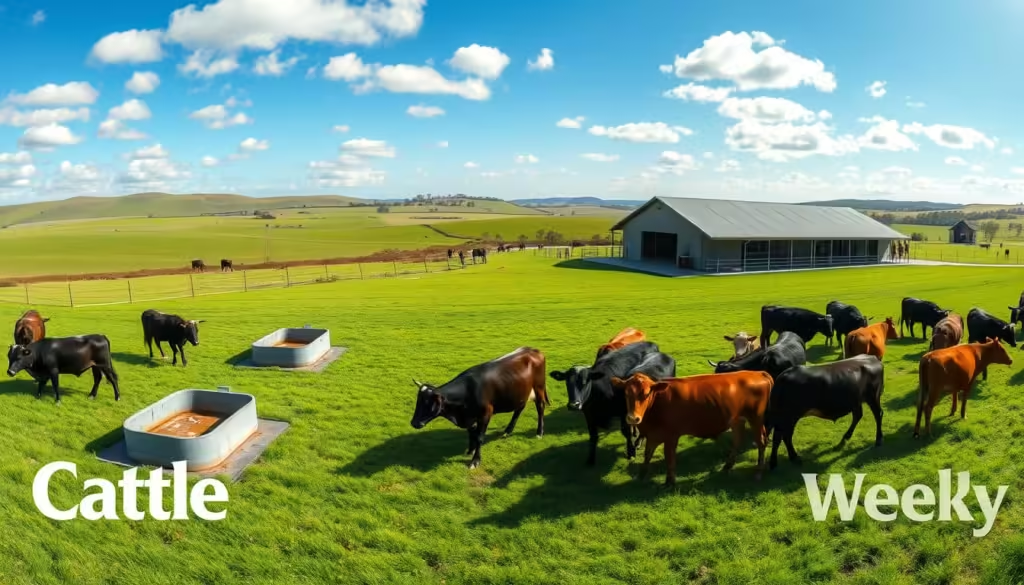
A reliable yard and clear water points make daily work quicker and safer on any Australian property.
Since cattle were domesticated from wild aurochs about 10,500 years ago, containment and access to water have stayed central to good husbandry. A practical layout keeps animals calm and reduces handling time.
Focus on perimeter fencing, water placement and durable yards. These cut down movement, protect feed stores and reduce stress during routine mustering or vet work.
- Place troughs to suit rotation and seasonal flows.
- Choose a working chute and holding pens that match herd size.
- Protect hay and feed to prevent waste and vermin damage.
| Element | Benefit | Practical tip |
|---|---|---|
| Perimeter fencing | Safer paddocks, clearer rotation | Use steel posts near yards and maintain fences annually |
| Water points | Steady supply, better weight gains | Position on high ground with overflow routes |
| Working yards & equipment | Faster handling, less stress | Install modular pens and a well‑sized crush |
| Feed storage | Protects quality, saves cost | Elevated, ventilated sheds or covered stacks |
Selecting the Right Cattle for Your Operation
Picking animals that suit your land and goals is one of the best investments a producer can make.
Choose breeds that match climate, pasture and handling capacity. That reduces feed gaps and supports steady weight gains to meet market targets.
When buying stock, always check health records and vaccination history. Quarantine new arrivals for 30 days and perform a full health check before they join the herd.
- Buy from reputable breeders when possible, or inspect animals closely at auction.
- Prioritise temperament and structural soundness for safer handling and reliable productivity.
- Focus on traits that support consistent growth and quality beef production in your environment.
| Breed trait | Best suited to | Producer tip |
|---|---|---|
| Hardiness | Low-input pasture | Good for marginal country; lowers feed cost |
| Growth rate | Intensive finishing | Choose for faster weight gain and market deadlines |
| Temperament | Large herds, frequent handling | Easier to work with and safer for staff |
Mastering Cattle Farming Nutrition and Grazing
Good pasture and a clear feeding plan turn seasonal risk into steady weight gains. Nutrition drives profitable beef production, since feed makes up the biggest annual cost.
Use the animal unit month (AUM) system to plan pasture use. One AU equals a 1,000‑lb cow with a calf. This helps estimate carrying capacity and avoid overgrazing.
Ensure consistent access to clean water and a balanced mineral program. These keep animals healthy and support steady weight gain across the year.
- Rotate stock to let forage recover and boost pasture resilience.
- Adjust feed for life stage—lactating cows and growing calves need more energy and protein.
- Monitor daily intake and body condition score to catch problems early.
| Measure | Why it matters | Practical tip |
|---|---|---|
| AUM calculation | Prevents overstocking | Base on local pasture growth rates |
| Water & minerals | Supports intake and immunity | Place troughs near rotations |
| Body condition | Tracks nutrition success | Score monthly, act quickly if loss appears |
Focus on high‑quality forage and efficient grazing to cut supplemental feed needs. Good grazing management keeps animals productive, even in tough seasons.
Herd Health and Biosecurity Protocols
A clear herd health plan starts with daily checks and a firm quarantine rule for new stock.
Implement strict biosecurity protocols to protect the herd from common disease and keep animals productive all year.
New arrivals must be quarantined separately for at least 30 days to stop illness spreading to established livestock. Work with your veterinarian to set vaccination and parasite‑control schedules suited to local breeds and seasons.
Maintain fencing and equipment so groups do not mix accidentally. Daily observation helps spot early signs of poor health — changes in breathing, appetite or coat condition often appear before more serious issues.
- Keep written records of treatments and vaccinations for traceability and compliance.
- Ensure clean water and a balanced nutrition program to support immune function.
- Review biosecurity protocols each season and after any movement of animals.
| Protocol | Why it matters | Quick action |
|---|---|---|
| 30‑day quarantine | Stops new infections | Separate pens, monitor daily |
| Vet partnership | Tailored vaccination | Set schedules, keep records |
| Fence & gear upkeep | Prevents accidental mixing | Inspect monthly, repair fast |
Managing Reproduction for Profitability
A tight breeding calendar is the single biggest lever a producer has to lift calf consistency and seasonal income.
Define one clear breeding season so calving, weaning and marketing line up. That makes labour, feed and vet work easier to plan.
Record keeping is essential. Track mating dates, bull IDs, conception checks and calf outcomes. Good records show which breeds and bulls give the best growth and health.
Nutrition and health care before mating raise conception rates. Give breeding cows balanced feed, minerals and clean water. Keep vaccinations and parasite control up to date.
- Choose natural service or artificial insemination to suit scale and goals.
- Wean at planned age and weight to reduce stress and protect animal health.
- Monitor calf growth to guide retention and replacement decisions.
| Focus | Practical action | Benefit |
|---|---|---|
| Defined mating window | 90-day or season-long plan | Uniform calves, easier management |
| Bull selection | Use recorded performance and fertility checks | Improved herd genetics and production |
| Pre-breeding care | Body condition scoring and mineral program | Higher conception, fewer calving issues |
| Weaning strategy | Set age/weight targets and gradual separation | Lower stress, better post-wean growth |
Strategic Marketing and Sales Channels
Knowing who will buy your stock changes decisions on weight targets, feed and when to move animals.
Most beef cattle reach the preferred market weight of 1,200–1,300 pounds at about 14–15 months of age. Plan to hit that age and weight if targeting standard processors.
Choose a sales channel that matches your records and goals. Local auctions suit quick turnover. Direct sales need clear traceability and production cost records to fetch premiums.
- Keep detailed history of treatments, feed and weight gains to command better prices.
- Build buyer relationships that value quality and on‑farm management.
- Time sales to smooth income and avoid price swings in seasonal markets.
| Sale type | Best for | Key requirement |
|---|---|---|
| Local auction | Feeder stock, quick sale | Accurate weights and basic history |
| Direct-to-consumer | Finished beef, value‑add | Full traceability and processing plan |
| Contract or supply agreements | Stable returns | Consistent production and records |
Financial Planning and Budgeting
Smart budgets turn seasonal guesswork into steady farm cashflow.
Financial planning is what separates a professional operation from a hobby. Build a detailed budget that lists feed, veterinary health, equipment maintenance and land costs so the true break-even point is clear.
Track monthly expenses and income. Include one-off items such as new yards and the ongoing costs of running cows and raising calves. Note rules that affect marketability — for example, the 30‑month rule alters how older animals sell and shifts expected returns.
Use a simple cashflow calendar to cover seasonal spikes in feed and repairs. Set clear financial goals: when to expand, when to replace equipment, and what weight targets justify extra feed.
- Record-keeping: keep receipts, weight records and treatment logs for financing and tax time.
- Monitor: review budgets quarterly and adjust management to cut unnecessary costs.
- Resilience: maintain an emergency buffer so the farm can ride market or weather shocks.
| Area | Why it matters | Quick action |
|---|---|---|
| Feed & supplements | Largest variable cost | Plan seasonal purchases, bulk buy when possible |
| Vet & health | Protects productivity | Schedule preventative care, track treatments |
| Equipment & repairs | Keeps operations running | Budget for annual maintenance |
Sustainable Land Management Practices
Healthy soil and planned grazing are the practical backbone of any resilient beef operation.
Rotational grazing with rest cycles of about 20–30 days during rapid growth keeps pasture cover strong. That rest period helps plants recover, builds soil organic matter and lowers erosion risks.
Good fence lines and smart water placement control where stock go. This protects wet patches, native trees and steep country from damage.
- Monitor plant cover and bare ground monthly to catch decline early.
- Match grazing intensity to pasture growth and the seasons to reduce external feed needs.
- Prioritise soil tests, targeted fertiliser and simple earthworks where erosion starts.
| Practice | Benefit | Quick action |
|---|---|---|
| Rotational grazing (20–30 day rests) | Stronger pasture, better feed supply | Plan paddock rotations each month |
| Fencing & water placement | Even livestock distribution, less pugging | Install laneways and troughs at high points |
| Plant cover monitoring | Early erosion control, better nutrition | Record cover %, reseed bare areas |
Integrating these steps into daily protocols protects long‑term production, cuts costs and builds a more climate‑resilient farm for the year ahead.
Conclusion
Conclusion
This guide leaves producers with clear, practical steps to build a sustainable and profitable operation. Focus on plain daily care and good records to protect both herd health and pasture condition.
Choose breeds that suit your country, use equipment that cuts handling time, and set realistic goals for weight and sales. Keep learning and adjust plans as seasons change.
Consistent record‑keeping and steady routines make risks easier to manage. Apply these practices each day to improve productivity and long‑term resilience.
Thank you for following this guide as you work toward a safe, productive and sustainable future for your livestock and land.