
“To improve is to change; to be perfect is to change often.” — Winston Churchill
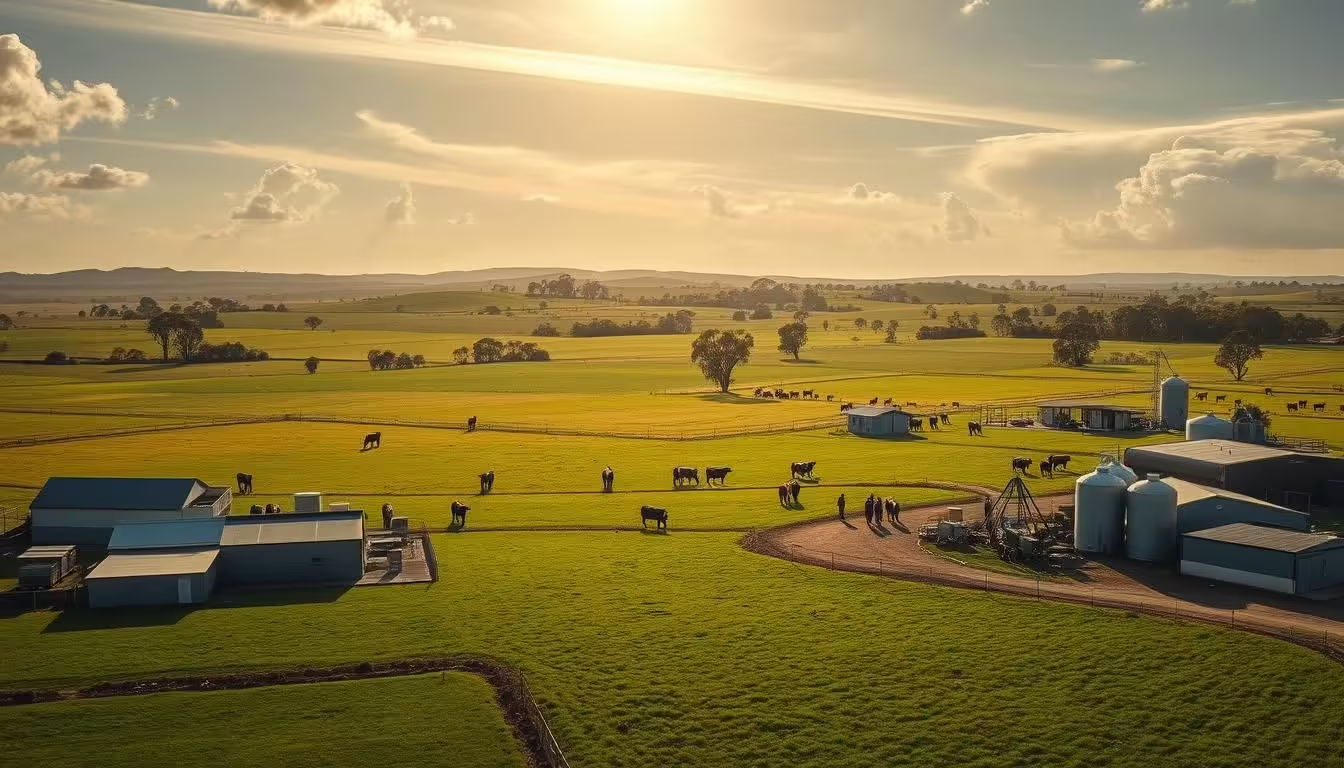
This practical guide helps Australian producers tackle the issues that cut milk and harm herd wellbeing.
It focuses on where problems appear through the season and the production cycle, and on clear fixes that lift output without wasting feed or labour.
Readers will find plain guidance on cow comfort, stalls, bedding and feed timing after milking to protect udder health and steady production.
The guide compares intensive and pasture-based systems and explains the common reasons for culling — infertility, mastitis, lameness and low production — with early steps to keep good animals working longer.
Key Takeaways
- Practical, season-led fixes boost milk and herd performance without extra labour.
- Comfort, routine and lighting directly affect eating, ruminating and lying behaviour.
- Match system choice to pasture, water and shed resources for better returns.
- Early intervention on infertility, mastitis and lameness keeps animals productive.
- Nutrition and consistent rumination protect milk components during seasonal swings.
- Welfare-led management is the most reliable path to steadier production.
Why this ultimate guide matters for Australian dairy farms today
Producers need clear actions that lift litres and keep cows well. The sector has fewer properties but larger groups to manage. The average herd sits around 220 head, so efficiency in people, feed and sheds now drives returns.
Pasture-based systems remain common, with daily moves for milking. Intensive setups use free-stall or tie-stall barns and precision feeding to lift per-cow production. Cow comfort behaviours — eating, ruminating and lying — directly affect milk and solids.
Practical fixes with immediate impact
This guide focuses on quick, practical steps: consistent feed after milking, bedding choices, milking routine checks and heat detection. Small gains across a larger herd add up fast.
- Benchmark your herd and plan simple changes.
- Prioritise cow comfort to protect production and welfare.
- Work with local advisers on genetics, health products and scaling decisions.
Understanding dairy cattle challenges across the production cycle
Most production losses appear in narrow windows from calving through the first months of lactation. In a 12–14 month cycle the herd reaches peak milk at 40–60 days post-calving. That window carries the highest risk of metabolic stress, udder infection and rumen upset.
From calving to dry-off: where problems commonly emerge
Post-calving health sets the pace for the rest of the cycle. Uterine issues such as retained placenta and metritis commonly delay first service and cut conception rates.
The dry period is a reset, not rest. A tidy dry-off and good body condition drive next lactation yield and persistency.
Culling drivers: infertility, mastitis, lameness and low production
Over 90% of culling links to four causes: infertility, mastitis, lameness and low yield. Each has clear early signs that save good cows when caught early.
- Infertility: often follows uterine disease and delays getting cows back in calf.
- Mastitis: clinical signs show clots and swelling; subclinical cases raise SCC and quietly cut milk production.
- Lameness: commonly begins with sub-acute rumen acidosis and is worsened by long standing times and dirty concrete.
- Low production: usually the end result of unresolved health and management issues.
Practical anchors — timely feed after milking, clean beds and sensible cow flow — lift welfare and protect yield. Recording events by cycle stage lets farms target fixes where they matter most.
Management systems in Australia: matching climate, pasture and herd goals
Choosing the right system on any Australian farm shapes daily work, herd health and litres in the vat. System choice depends on climate, land, water and the producer’s targets for production and labour.
Intensive housing and nutrition control
Intensive systems aim for maximum per-cow yield using precise rations and sheltered stalls. Free-stall sheds boost movement and feed access. Tie-stalls suit smaller sheds where milking units come to the cow.
- Pros: tight nutrition control, higher production, easier group management.
- Cons: capital for stalls, rubber mats, bedding and manure handling.
Pasture-focused, extensive approaches
Extensive systems keep most stock on pasture. They lower purchased feed but need careful daily logistics for milking. Long walks or poor tracks cut intake and hurt production.
Blended systems for variable seasons
Blended approaches use grain in-shed, partial mixed rations or stand-off pads to protect pasture and keep cows comfortable during dry spells. Water security, clean lanes and shade are vital. Across all types, minutes win milk: fresh feed after milking, clean lying spaces and calm yard times.
Cow comfort, welfare and facility design to boost milk production
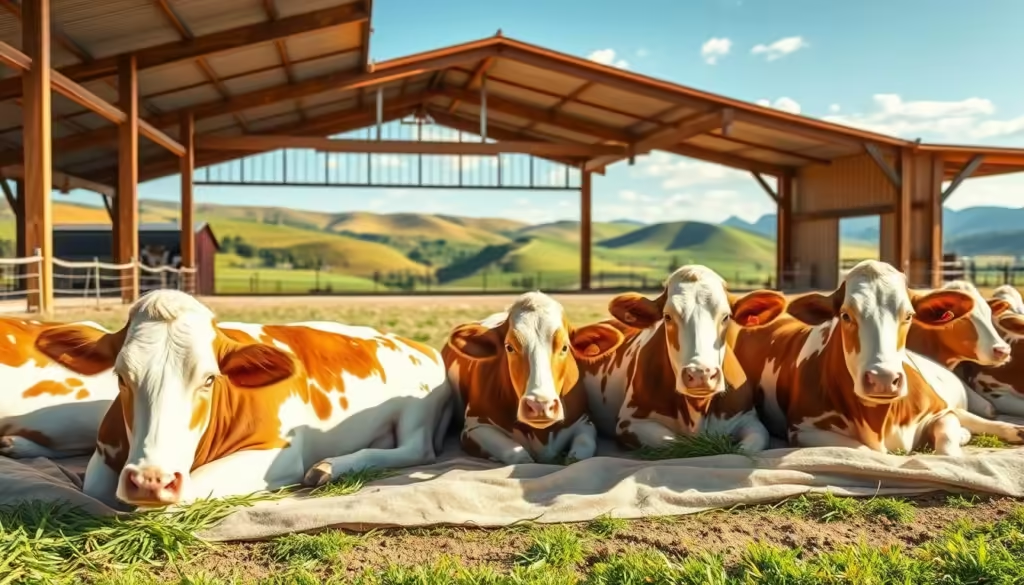
How cows eat, ruminate and lie gives a clear early warning on production. Watch time at feed, minutes ruminating and hours lying; drops in these signals often show before milk falls. Small, timely fixes to stalls and bedding usually lift comfort and protect yield.
Eat, ruminate, lie: behaviour signals that predict milk yield
When cows lie they increase blood flow to the udder and support milk synthesis. Aim for cows to lie 5–6 hours after meals so rumination completes and digestion stays steady.
Stall size and bedding options
Comfortable stalls let a cow lie and rise without hitting hips or neck. Use rubber mats and clean bedding—sand, straw or waterbeds—to reduce hock injuries and keep cows lying longer.
Feeding after milking and mastitis risk
Push fresh feed right after milking so cows stand while teat sphincters close. This simple routine lowers mastitis risk by reducing contact with dirty beds and helps milking cows keep a stable udder health profile.
Lighting programs for different groups
Use 16 hours light and 8 hours dark for lactating groups; give pregnant, non-lactating animals 8 hours light and 16 hours dark. Timers and clean skylights make this easy to manage and support steady milk production.
“Small facility tweaks often pay back quickly in calmer cows and steadier yield.”
| Area | Practical change | Expected benefit |
|---|---|---|
| Stalls | Adjust brisket board, add rubber mat | More lying time, fewer hock injuries |
| Bedding | Use sand or clean straw; top up daily | Lower infection pressure, better udder health |
| Feed timing | Push feed after milking; limit yard time | Reduced mastitis risk, improved rumination |
Health problems in milking cows: prevention, early detection and treatment
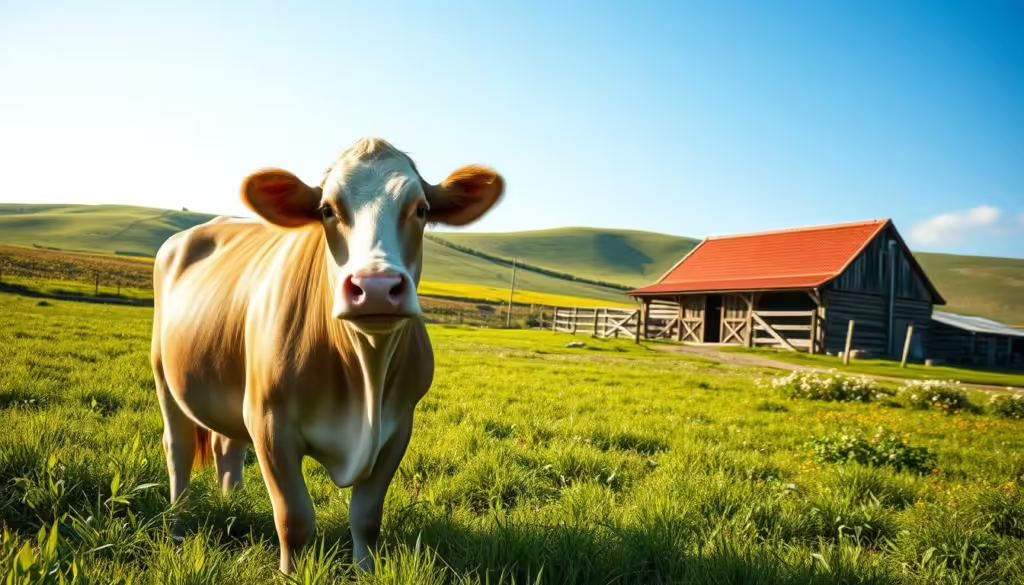
Early checks and simple routines catch most issues before milk falls. A short daily walk through the herd pays dividends. Spot swelling, heat or clots in an udder and act fast.
Mastitis: watch for hot, swollen quarters, clots or a change in milk. High somatic cell counts cut milk yield and quality. Set a mastitis protocol: strip checks, CMT when unsure, immediate segregation and the right intramammary tube. Always observe withdrawal times after long-acting antibiotics before milk is marketable.
Lameness and rumen acidosis links: high-starch rations can trigger acidosis. That leads to laminitis and lameness. Balance starch with effective fibre, manage push-ups so cows don’t binge, and keep lanes dry. Wet, dirty concrete and standing in faeces or water make foot problems worse.
Infertility and uterine health: retained membranes, metritis and ovarian cysts slow return to service. Post-calving checks cut days to first service. Cows are most fertile about 60–80 days after calving; act before small uterine issues become empty animals at pregnancy test.
“One quiet cow off feed is usually one case found a day earlier — train the team to notice.”
Local support, biosecurity and products: use local vaccines, drenches, fly controls and supplements to keep setbacks small. Quarantine new stock, check water and yards, and work with advisers on treatment choice and withdrawal compliance.
| Problem | Prevention | Quick action |
|---|---|---|
| Mastitis | Clean bedding, post-milk feed, routine strip checks | CMT, segregate cow, select correct tube, observe withdrawal |
| Lameness | Manage starch, ensure fibre, dry clean tracks | Footbath, trim, isolate severe cases |
| Infertility / Uterine | Post-calving checks, clean calving area, good nutrition | Vet exam, uterine treatment, record and plan rebreeding |
Reproduction and breeding: AI, genetics and herd improvement
Making reproduction predictable starts with reliable heat detection and a sensible AI timetable. Good routines lift conception and protect production while moving genetics forward.
Estrus detection, synchronisation protocols and timing
Reliable heat detection underpins conception. Combine tail paint, activity monitors and regular yard checks so no cow is missed.
When heat is patchy or labour is tight, use proven synchronisation. The GnRH → 7 days → PGF2α → 48 hours → GnRH program times ovulation about 24 hours after the final dose. That makes AI scheduling tight and predictable.
Genomic testing and sire selection to lift protein and fat
Genomic testing helps pick sires and replacements for higher protein, fat, fertility and health. Good records make those choices stick in real farm conditions.
- Sort heifers by merit early and give top animals better feed and earlier AI.
- Use sexed semen where it makes sense to speed herd improvement.
Embryo transfer for multiplying elite cows
Embryo transfer multiplies elite females quickly. Flush 7–12 embryos from a top donor and place them into recipients with sound feet, udders and cycles to protect results.
“A well-timed AI program done consistently beats an ideal plan done late.”
Balance matters: select for milk solids and fertility together. Chasing extremes in yield or protein can raise empty rates and rearing costs, cutting long‑term market returns.
| Tool | Use | Benefit |
|---|---|---|
| Heat detection | Tail paint, activity, yard checks | Fewer missed heats, higher conception |
| Synchronisation | GnRH–PG–GnRH program | Planned, compact joining |
| Genomics & ET | Sire selection, embryo transfer | Faster genetic gain for solids and health |
Dairy cattle breeds in Australia and their milk components
Different breeds bring distinct strengths for pasture, sheds and processor grids. Choosing a mix affects litres, milk protein and fat that determine farm returns.
Holstein Friesian: volume and recognisable markings
Holstein Friesians lead Australian herds for sheer milk production. They are the black and white cows often chosen where litres drive returns. Typical lactation sits near 5,500 litres with about 3.8% fat and 3.15% protein.
Jersey, Ayrshire, Illawarra and Brown Swiss: composition and yield
Jerseys are smaller and hardy, with high butterfat and protein (around 4.8% fat, 3.7% protein) and lower litres. Ayrshire and Illawarra give solid middle-ground yields and composition; Illawarra were developed in NSW and suit variable seasons.
Brown Swiss appear in smaller numbers and are used to add frame, feet strength and good solids through crossbreeding.
Crossbreeding strategies
Crosses often pair Holstein volume with Jersey solids to lift milk cheque value without sacrificing too much yield. Matching sire traits to herd goals—udder, feet and fertility—keeps production and health balanced.
| Breed | Litres/lactation | Fat% | Protein% |
|---|---|---|---|
| Holstein Friesian | ~5,500 | 3.8 | 3.15 |
| Jersey | ~3,500 | 4.8 | 3.7 |
| Illawarra / Ayrshire | ~5,000 | 3.6–4.2 | 3.3 |
| Brown Swiss | Variable | 3.9–4.2 | 3.3–3.5 |
“Pick breeds that fit your yards, tracks and feed base — the right mix eases labour and lifts long‑term returns.”
Nutrition, water and daily management for higher milk yield and protein
Keeping rumens full and cows chewing comforts production and cuts the risk of sudden drops at peak lactation. Regular dry matter intake underpins steady milk production and component levels. Aim for consistent feed access, timely push‑ups and minimal yard wait times.
Dry matter intake, rumen health and time spent ruminating
Watch rumination minutes. Falling chew time often shows before milk and protein fall. Adjust effective fibre, portion sizes and feed sorting quickly when you see declines.
Feed after milking. Delivering fresh feed on return from the shed keeps cows standing while teat ends close. That reduces infection risk and supports more litres without extra chemicals.
Seasonal nutrition, supplements and replacers for calves
In hot or wet weather, protect walking comfort with shade, clean water and maintained tracks to keep animals at feed. Use buffers, minerals or live yeast when pasture quality drops to steady rumen function.
For calves, quality milk replacers or well‑managed pasteurised whole milk work if mixed and delivered cleanly. Grouping young stock improves starter intake and social development, producing stronger heifers for the next cycle.
“Simple, repeatable routines beat complex plans you can’t run daily — and they save litres and protein across a season.”
Conclusion
Small, consistent changes deliver the best returns for milk and herd health. Keep one simple improvement in place this week — tidy bedding, push fresh feed after milking or check heats on time — and measure its effect.
Australian farms with an average herd near 220 cows benefit most from steady routines that reduce infertility, mastitis, lameness and low production. Choose systems and breeds that fit your land, staff and payment grid.
Practical action beats perfection: use local suppliers and advisers for vaccines, supplements and AI, track SCC, rumination and in‑calf rates, then act early. One change now keeps cows calmer, protects milk yield and builds long‑term resilience in the dairy industry.