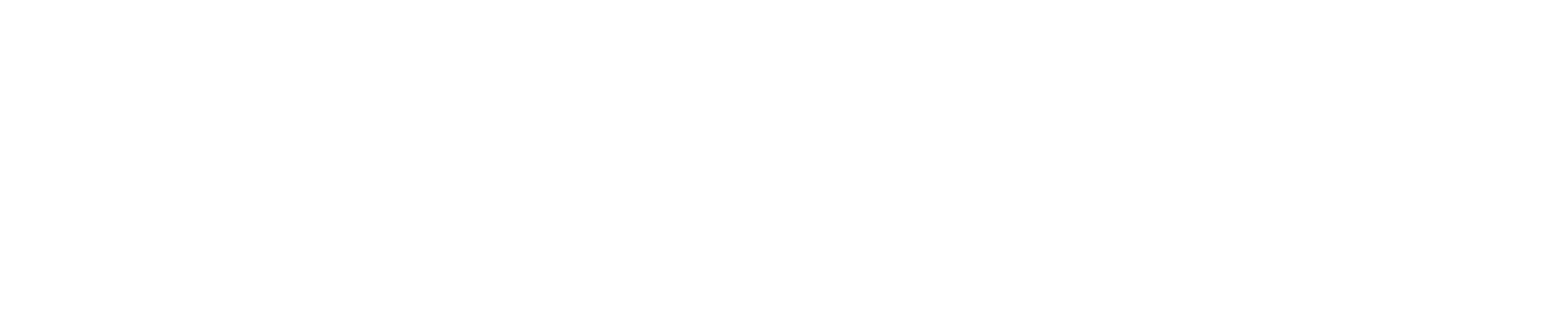

As a general guide, you need between 2 and 4 hectares per animal unit on improved pasture in southern Australia — and anywhere from 20 to 100+ hectares per beast in the arid north. The right land size depends on your location, annual rainfall, pasture type, and whether you are running a hobby block or a commercial beef enterprise. This guide breaks it down for every Australian region and farming purpose.
Why “Acres Per Cow” Rules Don’t Tell the Full Story
The most common advice you will find online is a one-size-fits-all rule: roughly one cow per 2–3 acres (0.8–1.2 hectares). In some parts of Australia, that is accurate. In most parts of Australia, it will leave you either severely understocked or completely overstocked — and either outcome costs money.
Australia spans six distinct agroclimatic zones. A Victoria-based dairy farmer operating on high-rainfall improved pastures and a Queensland beef producer managing a remote cattle station in the Mitchell grasslands are farming on the same continent but under entirely different biological conditions. The land requirements for each differ by a factor of 50 or more.
The most accurate measure of land productivity for cattle is carrying capacity, expressed in Australia as animal equivalents (AE) per hectare or hectares per AE. Meat & Livestock Australia (MLA) defines one animal equivalent as a 450 kg live-weight Bos taurus steer at maintenance — with a dry matter intake of approximately 9.4 kg DM/day based on MLA’s Adult Equivalent methodology (MLA Stocking Rate Calculator). Cows with calves, bulls, and growing cattle are adjusted by a conversion factor.
Land Requirements by Region
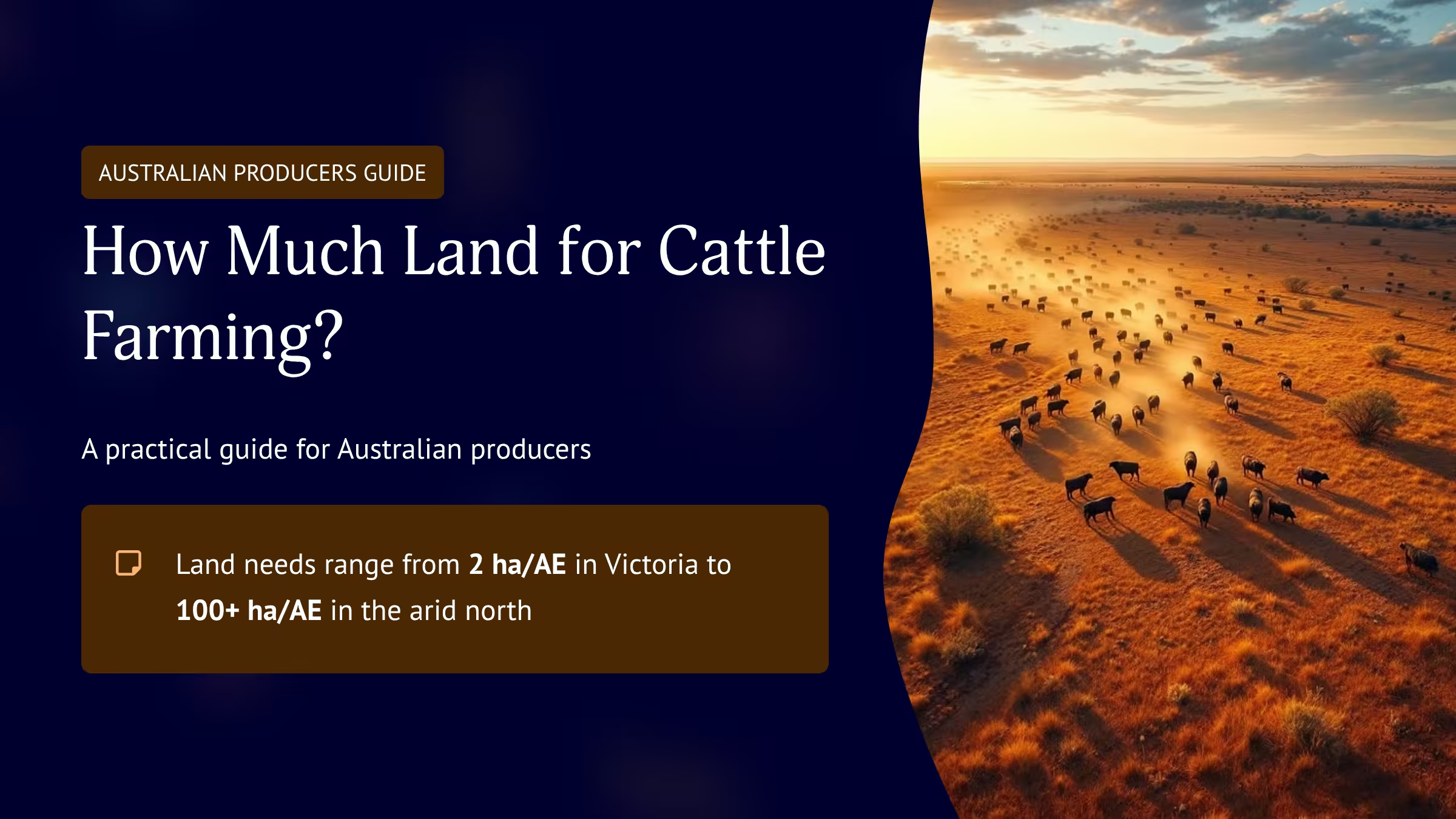
The table below is a practical guide to carrying capacity across Australia’s main cattle-farming regions. These ranges are benchmarks — your property’s actual capacity will depend on pasture condition, seasonal rainfall, and management practices.
| Region | Pasture type | Approximate carrying capacity |
|---|---|---|
| High-rainfall Victoria / south-west WA / coastal NSW | Improved perennial pastures | 1–2 ha per AE |
| Mixed farming zones (central NSW, southern QLD) | Native + improved pastures | 4–10 ha per AE |
| Queensland brigalow / mulga country | Native pastures | 10–25 ha per AE |
| Northern Territory / inland WA / Channel Country | Arid and semi-arid native pastures | 25–100+ ha per AE |
| Queensland Mitchell grasslands (Longreach/Charleville) | Productive native grasses | 8–15 ha per AE |
| Northern Queensland / Kimberley (tropical) | Tropical grasses, high rainfall variability | 5–20 ha per AE |
Sources: ABARES Australian land use and management data; MLA Stocking Rate Calculator; relevant state Departments of Primary Industries.
Key takeaway for beginners: If you are purchasing land in Victoria, coastal NSW, or south-west WA on high-rainfall improved pastures, 100 hectares can support 50–100 breeding cows. If you are purchasing semi-arid land in inland Queensland or the Northern Territory, you may need 5,000–10,000 hectares to run the same number of animals.
Get practical cattle farming insights, market updates, and seasonal outlooks straight to your inbox — subscribe free to Cattle Weekly’s weekly newsletter. Subscribe free →
Land Requirements by Farming Purpose
Land size requirements also shift significantly depending on what type of cattle enterprise you are running.
Beef Breeding Operations (Cow-Calf)
A self-replacing beef breeding herd carries cows, calves, replacement heifers, and at least one bull. This is the most land-intensive enterprise type because you are carrying a full breeding population year-round, including animals that produce no saleable output until weaning.
Rule of thumb: Allow carrying capacity calculations based on a cow-calf pair weighing approximately 550 kg combined (1.2 AE per pair). For every 100 breeding cows, budget for an additional 10–15 replacement heifers and 2–4 bulls.
ABARES beef farm survey data covers farms with at least 100 head of beef cattle on hand at 30 June — farms below this threshold represent just 2% of the national beef herd, which gives a practical indication of the minimum scale at which a beef enterprise begins to matter commercially (ABARES, Australian Agricultural and Grazing Industries Survey). At 4 ha per AE on mixed pastures, 100 head equates to approximately 400–500 hectares of grazing country as a rough minimum for a southern mixed-farming property.
Backgrounding / Growing Operations
Backgrounders purchase weaner steers or heifers and grow them to a target weight before selling to feedlots or processors. Because animals are on-farm for a shorter time and stock numbers can be adjusted seasonally, this enterprise type offers more flexibility.
Land calculations remain the same — you are still limited by carrying capacity — but because you are not running breeding females year-round, you can choose when to buy in stock based on pasture availability. This makes backgrounding particularly suited to properties that experience seasonal dry periods.
Feedlot Finishing
Registered feedlots in Australia operate under the National Feedlot Accreditation Scheme (NFAS). Stocking density under NFAS is managed in the range of 9 to 25 square metres per head, with possible exemptions if approved by the relevant state authority. Shedded cattle must have a minimum of 2.5 square metres per head.
There is no single statewide minimum land area threshold for a licensed feedlot in Queensland or NSW. Approvals depend on facility capacity, buffer distances from sensitive receptors, local government zoning, and site-specific design requirements. Speak with your local council and state Department of Primary Industries early in the planning process.
Dairy Farming
Dairy farming in Australia is concentrated in Victoria’s Gippsland, the Murray-Darling Basin, and coastal Queensland and NSW. The number of Australian dairy farms fell to 3,772 in 2024–25, with the reduction largely balanced by a 24% increase in average herd size to 345 cows (Dairy Australia, Australian Dairy Industry In Focus 2024–25). On high-quality irrigated perennial pastures, carrying capacities for dairy farms can reach 3–4 cows per hectare in peak growth periods. A typical operation of 345 cows requires approximately 100–200 hectares of irrigated country plus feed storage and infrastructure.
How to Calculate How Much Land You Actually Need
Rather than relying on rules of thumb, use MLA’s free Stocking Rate Calculator to generate a property-specific carrying capacity estimate. Here is the process:
- Identify your pasture type — improved perennial, native, tropical, or irrigated. Your local state agriculture department can provide a pasture assessment guide.
- Calculate dry matter production — measured in kilograms of dry matter per hectare per year. This is the key variable that determines how many animals your land can carry.
- Apply MLA’s Adult Equivalent standard — one AE consumes approximately 9.4 kg of dry matter per day, or roughly 3,400 kg per year (MLA Adult Equivalent methodology).
- Build in a 20–30% buffer — never stock to full theoretical capacity. Overstocking depletes pasture faster than it can recover, permanently reducing your land’s productivity.
- Run the numbers annually — carrying capacity is not fixed. Drought, overgrazing, weed invasion, and improved pasture management can all shift it significantly from year to year.
MLA’s Stocking Rate Calculator is available at mla.com.au.
Hobby Farm vs Commercial Operation: What Is the Minimum Viable Size?
The minimum land size to sustain a commercial beef enterprise varies by region, but here are practical benchmarks:
Hobby / lifestyle blocks (not commercially viable as a standalone income):
- Fewer than 30–50 head of cattle
- Land area: 40–100 ha on good-rainfall country; 500–2,000 ha in the arid north
- These operations supplement household income or are run alongside off-farm employment
Small commercial beef enterprise (part-time or supplementary income):
- 50–150 head of cattle
- Land area: 200–600 ha on mixed pastures; 2,500–10,000 ha in low-rainfall zones
- Gross margins are tight at this scale; most operators also carry another income stream
Viable full-time commercial beef enterprise:
- 200–500+ head of cattle
- Land area: 500–2,000 ha on better-rainfall country; 10,000–50,000+ ha in the north
- ABARES notes that farms with fewer than 100 head represent just 2% of the national beef herd, reflecting how few small operations contribute meaningfully to commercial output
The Northern Territory and remote Queensland are home to some of Australia’s largest cattle stations. Anna Creek Station in South Australia covers approximately 24,000 square kilometres, though extreme aridity and variable rainfall at that scale are a world apart from a 500-hectare Victorian property.
What Else Affects Land Requirements Beyond Hectares?
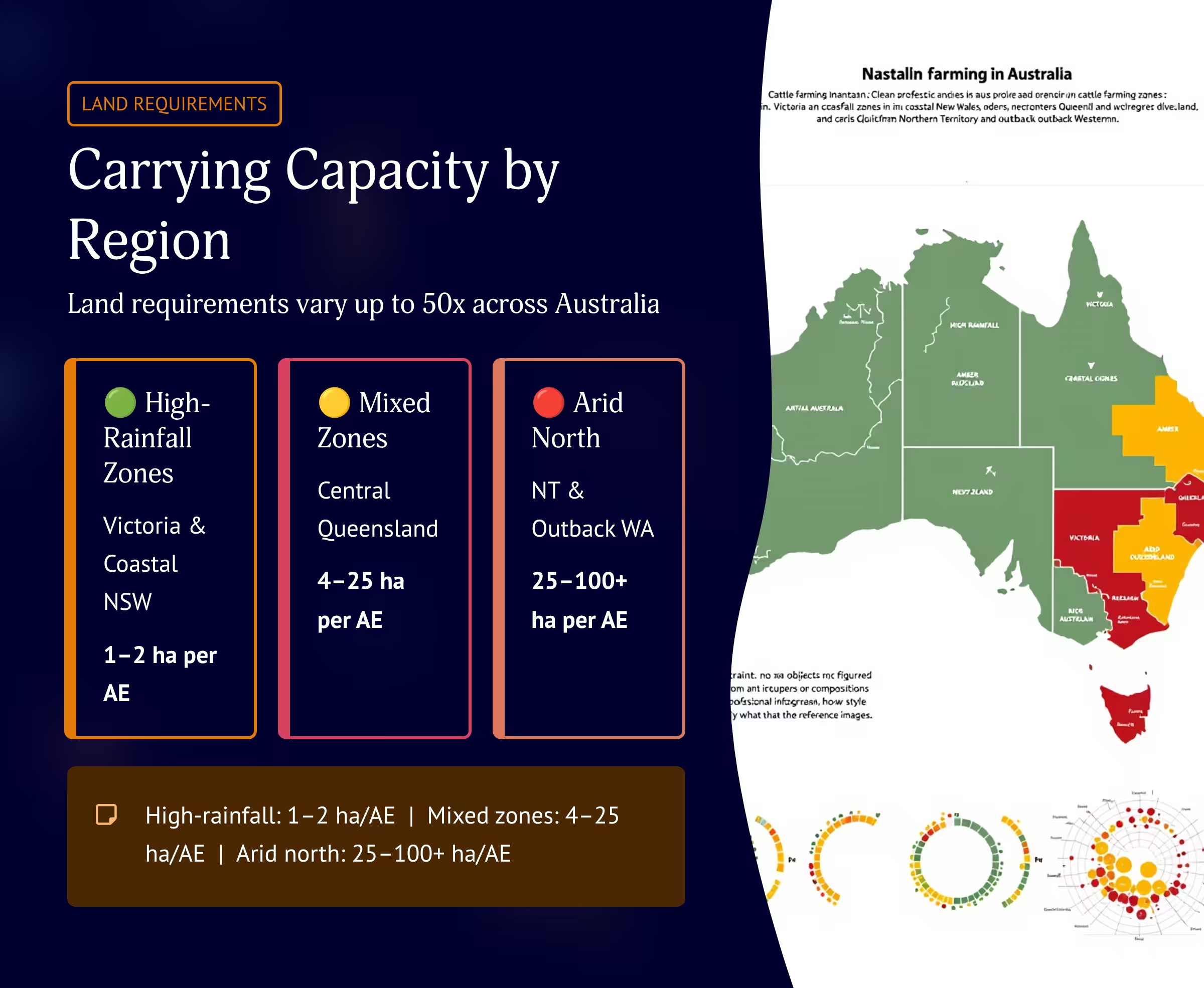
Water infrastructure: Without reliable water access — dams, troughs, bores — cattle cannot be distributed across your property. Poor water placement forces cattle to overgraze near water points and underutilise distant paddocks, effectively reducing your usable carrying capacity.
Fencing and paddock subdivision: Rotational grazing — moving cattle between paddocks to allow pasture recovery — can increase total pasture production by up to 20% compared to continuous set-stocking on the same land (MLA, Grazing Land Management). Well-designed subdivision is one of the highest-return infrastructure investments available to Australian beef producers.
Drought contingency: ABARES modelling shows that post-2000 climate conditions have reduced average annual broadacre farm profit by 21.7% relative to 1950–1999 conditions (ABARES, Climate Change: Impacts and Adaptation for Australian Agriculture, 2019). Properties that rely on 100% of their theoretical carrying capacity have no buffer when dry conditions reduce pasture growth.
Pasture improvement: Investing in fertiliser, oversowing with productive species, and controlling weeds can substantially increase carrying capacity on native pasture country — sometimes doubling production within a few years.
Frequently Asked Questions
How many cows can you have per acre in Australia?
In high-rainfall, improved pasture regions (Victoria, coastal NSW), you can run approximately one cow per 1–2 acres (0.4–0.8 ha). In mixed farming zones of southern Queensland and central NSW, expect one cow per 5–10 acres. In the arid north — inland Queensland, the Northern Territory, and outback WA — you may need 50–250 acres (20–100 ha) per cow.
Is cattle farming profitable in Australia?
Cattle farming can be profitable at commercial scale, but margins are sensitive to cattle prices, seasonal conditions, and input costs. ABARES modelling shows that post-2000 climate conditions have reduced average annual broadacre farm profit by 21.7% compared to pre-2000 conditions, with drought as the single largest driver of year-to-year variability. See Is Cattle Farming Profitable in Australia? for a full breakdown.
Is 5 acres enough for a hobby farm with cattle?
Five acres (approximately 2 hectares) is enough to keep 1–3 cattle on good improved pasture with supplementary feeding, but it is not sufficient for a commercially viable operation. At this size, cattle are best considered a lifestyle or hobby pursuit rather than a farm enterprise. You will likely need to purchase supplementary hay or grain to maintain condition through dry periods.
Is 1,000 acres a big farm in Australia?
By Australian standards, 1,000 acres (approximately 400 hectares) is a modest-to-medium-sized property. In high-rainfall Victoria, 400 ha can support a viable commercial beef or dairy operation. In Queensland’s dry interior or the Northern Territory, 1,000 acres would be considered a small lifestyle block — far too small to run a viable cattle enterprise.
Getting the Numbers Right Before You Buy
The most expensive cattle farming mistake beginners make is purchasing land based on price per hectare alone, without calculating the property’s actual carrying capacity. A $2,000/ha property in inland Queensland carrying 0.02 AE/ha is objectively less productive than a $10,000/ha property in Victoria carrying 0.8 AE/ha.
Before purchasing any property for cattle farming, commission a pasture condition assessment, review at least five years of rainfall data from the Bureau of Meteorology, and use MLA’s Stocking Rate Calculator to build a conservative carrying capacity estimate.
For a complete introduction to starting a cattle operation, see our guide to Cattle Farming for Beginners in Australia and How Many Cows Do You Need to Make a Living in Australia?
For a complete overview of the Australian beef industry, production systems, and profitability, see our Beef Cattle Farming in Australia: The Complete Guide.