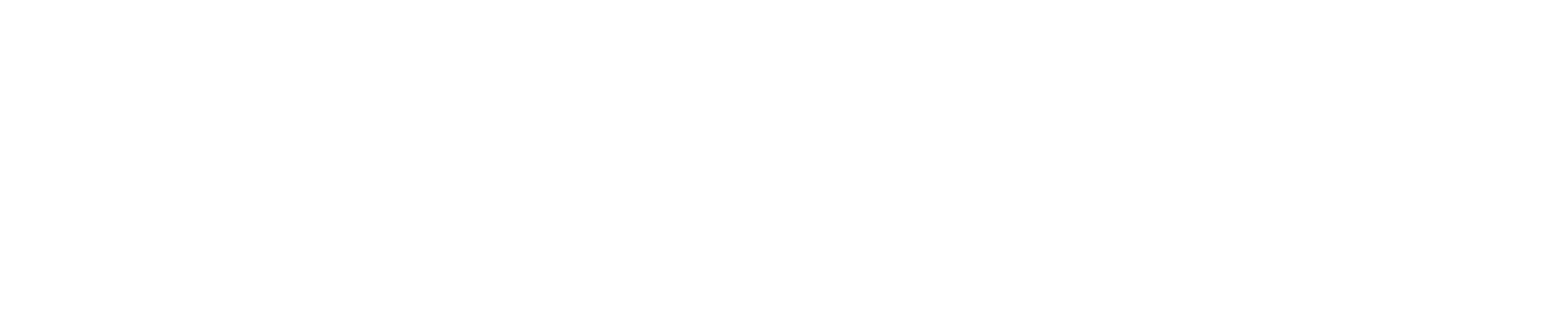

Beef cattle farming is the backbone of rural Australia. More than 63,000 Australian farming businesses run beef cattle across 43% of the continent’s land mass, making Australia one of the world’s largest beef producers and exporters. Whether you are an aspiring farmer evaluating your first property purchase, a new entrant scaling up your herd, or an established producer looking to benchmark your operation — this guide covers everything you need to know about beef cattle farming in Australia.
From choosing the right breed and managing your pastures to understanding the cattle market and calculating whether your operation is profitable, this is the resource we wish existed when we started.
Australia’s Beef Cattle Industry at a Glance
Australia produced approximately 2.2 million tonnes carcase weight (cwt) of beef and veal in 2023, according to Meat & Livestock Australia (MLA). The national herd sits at around 26–28 million head, fluctuating with seasonal conditions and market cycles.
Key industry facts:
- 63,000+ farming businesses run beef cattle in Australia (MLA, 2023)
- 43% of Australia’s land mass is used for beef production
- Australia is the world’s third-largest beef exporter by volume, behind Brazil and the United States
- The three largest export markets are Japan, South Korea, and the United States, with China a significant and volatile market following the lifting of import restrictions
- Queensland runs approximately 40% of Australia’s national herd — the country’s dominant beef state
- The Northern Territory and Western Australia account for the largest individual properties by land area, with some stations exceeding 1 million hectares
The industry operates across two broad production systems: extensive grazing (the dominant model in northern and central Australia) and intensive backgrounding and feedlot finishing, concentrated in southern Queensland and northern New South Wales.
Seasonal and Market Dynamics
Australian beef production is highly seasonal and weather-dependent. The Eastern Young Cattle Indicator (EYCI) — the benchmark price for young cattle sold through saleyards — fluctuates with seasonal conditions, global demand, and Australian dollar exchange rates. Producers need to understand that the market they sell into in three years will be different from today’s market. Planning for price cycles is as important as planning for drought.
ABARES data shows that farm cash income for beef producers varies dramatically year to year — from record highs during the 2020–2022 herd rebuild cycle to compression in 2023–24 as cattle prices corrected and input costs remained elevated.
Getting Started in Beef Cattle Farming
If you are considering entering the beef cattle industry, three questions matter most before anything else: how much land do you need, how much will it cost, and can you make a living from it?
How Much Land Do You Need?
Land requirements vary more in Australia than almost anywhere else on earth. A small beef enterprise in coastal Victoria can run one Animal Equivalent (AE) per hectare. The same animal on a dry central Queensland property needs 15–25 hectares. In the arid Northern Territory, a single AE can require 100 hectares or more of country.
The practical calculation: decide how many breeding cows you want to run, multiply by the carrying capacity for your target region, and that is your minimum land requirement. Most viable standalone beef enterprises run at least 50 breeding cows; anything smaller struggles to cover fixed costs.
For a detailed breakdown of carrying capacity by Australian region and state, see our guide: How Much Land Do You Need to Farm Cattle in Australia?
How Much Does It Cost to Start?
A small beef cattle operation (20–50 cows) in Australia typically requires $450,000 to $2 million AUD in startup capital, with the biggest variable being land purchase price. A medium operation (100–200 cows) can require $1.4 million to $6.9 million or more once land, cattle, infrastructure, and operating capital are included.
The cost breakdown, from largest to smallest, is typically:
- Land — the dominant cost, wildly variable by region
- Cattle — PTIC cows, heifers, and quality bulls
- Fencing and water infrastructure — frequently underestimated
- Machinery and equipment — 4WD, tractor, stock float
- Yards and handling facilities — non-negotiable for safe operations
- Operating capital — 12–18 months of cash reserves before first sale
For a full cost breakdown with dollar ranges by operation size, see: How Much Does It Cost to Start a Cattle Farm in Australia?
Is Cattle Farming Profitable?
Profitability in Australian beef farming depends on cost of production, market timing, and pasture management — not just cattle numbers. MLA benchmarking consistently shows that the most profitable producers are not necessarily the biggest; they are the most efficient at converting pasture to beef at the lowest cost per kilogram.
For a detailed analysis of profitability, enterprise budgets, and how many cows you actually need to make a living, see our guide: Is Cattle Farming Profitable in Australia?
Choosing the Right Beef Cattle Breed
Breed selection is one of the highest-leverage decisions in any beef cattle enterprise. The right breed for your property depends on your climate, market, production system, and personal management style. The wrong breed wastes years of investment in genetics that underperform in your environment.
Get the latest cattle market updates and breed research straight to your inbox — subscribe free to Cattle Weekly’s weekly newsletter. Subscribe here“>Subscribe here.
Australia’s Major Beef Breeds
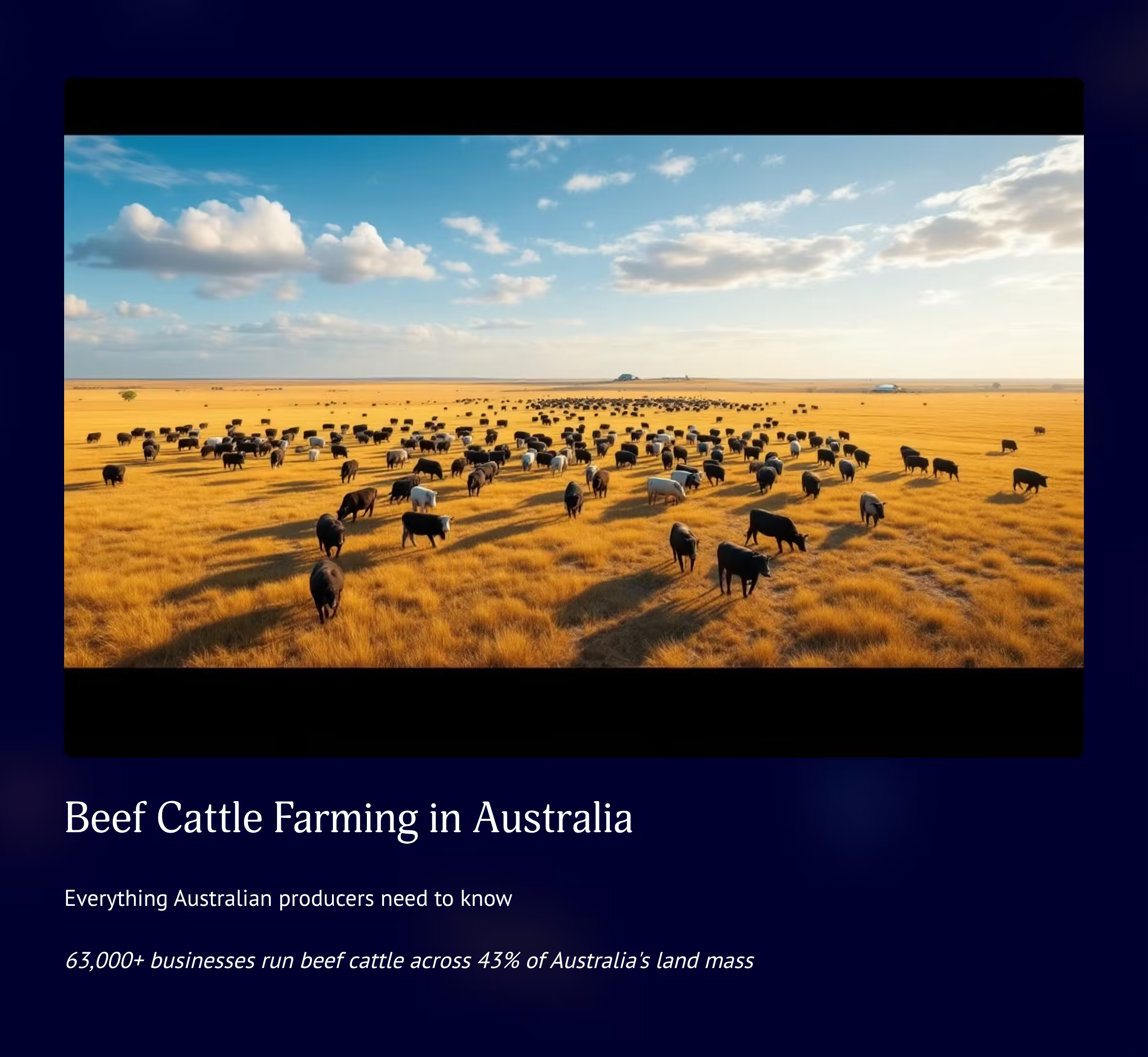
Australia’s beef industry uses a diverse mix of British, European, and Bos indicus (tropical) breeds, often crossed for hybrid vigour.
British breeds (temperate, high-rainfall zones)
- Angus — Australia’s dominant commercial breed. Renowned for consistent carcase quality, high marbling potential, calving ease, and strong market premiums through Certified Australian Angus Beef (CAAB) programs. Suited to southern and coastal environments; less suited to the tropical north.
- Hereford — Hardy, docile, and well-adapted to Australia’s variable conditions. Strong presence in southern and central regions. Polled Hereford is particularly popular.
- Murray Grey — An Australian breed developed in the upper Murray Valley. Quiet temperament, good carcase yield, suited to mixed farming zones of Victoria and New South Wales.
European breeds (growth and carcase weight)
- Charolais — Large-framed breed valued for rapid growth and high carcase weight. Often used as a terminal sire over Angus or Hereford cows to produce heavy feeder cattle.
- Limousin — High muscle-to-bone ratio and lean carcase. Popular in crossbreeding programs targeting the EU export market and premium domestic trade.
- Simmental and Composite breeds — Versatile dual-purpose genetics increasingly used in mixed-purpose southern enterprises.
Bos indicus and tropically adapted breeds (northern Australia)
- Brahman — The dominant breed in tropical and subtropical Australia. Exceptionally heat-tolerant, tick-resistant, and drought-hardy. Lower marbling than British breeds but essential for the northern extensive system.
- Droughtmaster — An Australian composite (Brahman × Shorthorn) developed specifically for Queensland conditions. Heat tolerance combined with better carcase quality than pure Brahman.
- Brangus — Brahman × Angus cross. A popular choice for producers in transitional zones (central Queensland, northern NSW) who want tropical hardiness with Angus carcase quality.
- Santa Gertrudis — Developed in the USA, well established in Queensland. Heat-tolerant, tick-resistant, good growth rates.
Breed Selection Principles
The most common breed selection mistake is choosing based on breed preference rather than environment. Before selecting a breed:
- Match the breed to your climate — Brahman and composites north of the Tropic; British breeds south of it; crossbreds in transitional zones
- Identify your target market — Certified Angus programs, feedlot supply, EU export, and live export all favour different genetics
- Consider calving ease — critical for first-calf heifers; a difficult calving season costs you in calf deaths, cow condition, and labour
- Assess temperament — quiet cattle are safer to handle, have lower stress-related weight loss, and suit smaller operations with less experienced staff
For a full breed comparison guide: Best Beef Cattle Breeds in Australia
Land and Pasture Management
Land is your production platform. How you manage your pastures directly determines how many cattle you can run, how much supplementary feed you need, and ultimately your cost of production.
Carrying Capacity and Stocking Rate
Carrying capacity is the number of Animal Equivalents (AE) a property can sustain without degrading the pasture resource. Overstocking — running more cattle than the pasture can support — is one of the fastest ways to damage a property’s long-term productivity.
| Region | Carrying Capacity |
|---|---|
| High-rainfall Vic/Tas/coastal NSW | 0.5–1.5 ha/AE |
| Inland NSW and southern Qld | 4–10 ha/AE |
| Central and western Qld | 10–25 ha/AE |
| Tropical north Qld and NT | 20–80+ ha/AE |
| Arid WA and SA | 50–150+ ha/AE |
Source: State agriculture departments and ABARES land use data
Managing stocking rates to stay within carrying capacity — particularly during drought — is the single most important decision a beef producer makes. Destocking early and restocking after recovery consistently outperforms the strategy of holding numbers through a drought.
Rotational and Planned Grazing
Rotational grazing — moving cattle through a series of paddocks on a planned rest-and-graze cycle — is increasingly adopted across Australian beef enterprises as evidence mounts for its pasture productivity benefits.
MLA research indicates that well-managed rotational grazing can improve pasture utilisation by 15–20% compared with continuous grazing on the same country. The key is matching the rotation to pasture growth rates, which vary dramatically by season.
For a full guide to rotational grazing in Australia, see: Rotational Grazing in Australia: A Complete Guide
Drought Management
Drought is not an if in Australian beef farming — it is a when. The core principles of drought management are:
- Early destocking over late destocking — waiting too long destroys the pasture base and increases supplementary feeding costs
- Supplementary feeding to maintain breeding females through short dry periods when restocking is expected within months
- Pasture monitoring using tools like PastureKey, Forage Value Index (FVI), or simple visual assessment against baseline photos
- Water planning — knowing your bore yields and dam storage capacity before summer limits your options during a dry spell
Running Your Beef Cattle Operation
Day-to-day operations in a beef cattle enterprise involve mustering and handling, herd health management, breeding program management, and infrastructure maintenance.
Mustering and Cattle Handling
Effective mustering and low-stress cattle handling reduce animal stress, prevent injuries, and make every management task — from pregnancy testing to weaning — safer and more efficient. Low-stress stockmanship principles, developed by researchers including Dr. Temple Grandin, are now widely adopted across Australian beef operations.
Key handling principles:
- Work within the flight zone and use point of balance
- Move cattle at a walking pace — rushing increases stress and weight loss
- Design yards with curved races and solid sides to reduce distraction
For mustering techniques and equipment guides: Cattle Mustering in Australia: Techniques & Best Practices
Yards, Fencing, and Water
Infrastructure is the skeleton of your operation. Poor-quality fencing means cattle on the road; inadequate water means dead cattle in a heatwave; poorly designed yards mean injuries to stock and handlers.
Key infrastructure priorities for a new beef enterprise:
- Boundary fencing to keep your cattle in and neighbour’s cattle out
- Internal subdivision to allow paddock spelling and rotation
- At least one reliable water point per paddock (cattle will not walk more than 2–3km to water in summer heat)
- A functional set of yards with crush, race, and loading ramp
For infrastructure design guides: Cattle Yards: Design and Construction Guide
Breeding Program Management
A structured breeding program is the engine of your herd’s productivity improvement. The core decisions are:
- Bull-to-cow ratio: 1:25–30 for joining; higher for older bulls
- Joining period: 6–9 weeks is standard for compact calving; longer periods reduce management efficiency
- Pregnancy testing (PT): Pregnancy testing cows 6–8 weeks after bull removal identifies non-pregnant cows early — removing them before winter reduces supplementary feeding costs significantly
- Weaning age: Typically 5–8 months; early weaning under drought conditions takes pressure off cows and allows recovery before next joining
- Bull selection: Estimated Breeding Values (EBVs) published by Breedplan provide an objective comparison of bulls’ genetic potential for growth, carcase, and fertility traits
Herd Health Essentials
A basic cattle health program for an Australian beef enterprise includes:
- Annual vaccination: 5-in-1 (clostridial diseases) at minimum; 7-in-1 for properties with greater disease risk
- Tick control: Mandatory in tick-risk zones of Queensland and northern NSW; dipping, pour-on, or injectable treatments per your state’s tick management zone requirements
- Internal parasites: Drench strategies vary by region and season — blanket drenching is increasingly replaced by targeted selective treatment (TST) approaches to manage resistance
- Nutrition: Phosphorus deficiency is one of the most common and costly nutritional issues in northern beef systems; testing and supplementation schedules should be tailored to your country’s soil type
For a full cattle health guide: Common Cattle Diseases in Australia and How to Prevent Them
Where Beef Cattle Are Farmed in Australia
Beef cattle are farmed across every state and territory of Australia, but production is heavily concentrated in three regions.
Queensland — The Nation’s Beef Capital
Queensland carries approximately 40% of Australia’s national herd. The state’s pastoral zones range from the high-rainfall coastal country of the Atherton Tablelands and Darling Downs to the vast arid Channel Country in the southwest. Queensland is also home to Australia’s largest concentration of feedlots, particularly in the Darling Downs region.
Key breeds: Brahman, Droughtmaster, Brangus, and Angus-cross in southern Qld.
New South Wales
NSW runs significant beef enterprises in the New England, Central Tablelands, and Riverina regions, along with extensive operations in the far west. The Tablelands support high-quality Angus and Hereford herds, while the western plains accommodate larger, more extensive operations.
Northern Territory
The NT is home to some of the world’s largest cattle stations by land area, including Brunette Downs and Anna Creek. Production is extensive, predominantly Brahman-based, and focused on live export and the backgrounding supply chain.
Western Australia
WA’s beef industry is centred in the Kimberley and Pilbara (extensive tropical production) and the South-West, which supports a smaller but high-quality temperate beef sector. Live export to South-East Asian markets is a critical outlet for northern WA cattle.
Victoria and Tasmania
Victoria produces high-quality grass-fed beef from its high-rainfall temperate country. The state has higher land prices but lower carrying costs per AE. Victorian and Tasmanian beef commands premium prices in domestic and Japanese markets for its consistent quality and grass-fed credentials.
For in-depth regional guides: see our Regional Beef Cattle Farming series
Understanding the Australian Cattle Market
Knowing when and how to sell your cattle is as important as how you raise them. The Australian cattle market offers multiple outlets depending on your production system, location, and market access.
Saleyards and the EYCI
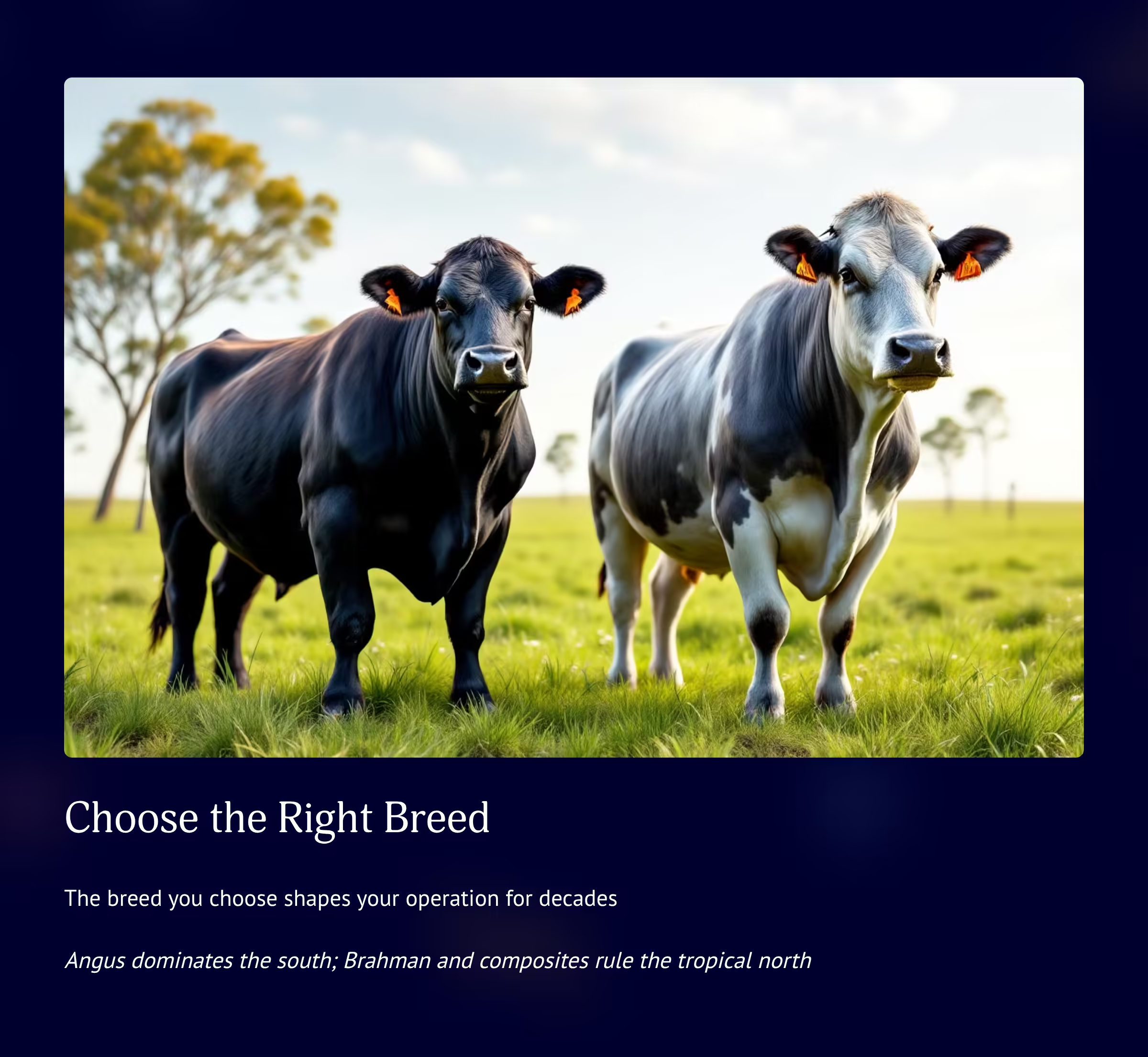
The Eastern Young Cattle Indicator (EYCI) is the primary benchmark price for young beef cattle sold through the main eastern Australian saleyards. It is published weekly by MLA and tracks the price in cents per kilogram carcase weight (c/kg cwt) for cattle 200–400kg liveweight.
Major eastern saleyard centres include Roma, Dalby, Wodonga-Corowa, Wagga Wagga, and Gunnedah. Prices vary between centres based on supply, seasonal conditions, and buyer competition.
Feedlot Supply
A significant proportion of Australian cattle are sold as feedlot-ready cattle (typically 300–400kg liveweight) directly to feedlots, often on a forward contract basis. This offers price certainty at the cost of potentially leaving money on the table in a rising market.
Feedlot supply agreements typically specify breed content, weight range, and minimum Bos indicus content percentage — understanding your market specifications before you start your breeding program avoids costly mismatches at sale time.
Direct Kill and Processing
Some producers sell directly to processing plants (abattoirs) on a grid price per kilogram carcase weight. Carcase assessments — including yield grade, meat colour, fat depth, and Meat Standards Australia (MSA) compliance — determine whether you receive the base grid price or a premium or discount.
Live Export
Live export of cattle from northern Australia to markets in Indonesia, Vietnam, Malaysia, and the Middle East remains a significant outlet for northern producers, though the industry operates under ongoing regulatory and political pressure. Live export prices are highly correlated with southern Asian feedlot beef demand and the Australian dollar.
Is Beef Farming Profitable in Australia?
The honest answer is: it depends. Australian beef farming is a capital-intensive, long-horizon business. The land appreciates. The cattle cycle creates opportunities for producers who buy well and sell at the right time. But cash profitability in any given year is never guaranteed.
MLA’s benchmarking programs show that the gap between the top 25% and bottom 25% of beef producers is substantial — often 10–15 c/kg cwt difference in cost of production. The top performers are not running more cattle; they are managing their pastures more intensively, achieving higher weaning rates (85%+ vs 65–70% for low performers), and selling cattle that hit market specifications consistently.
For aspiring farmers, the key question is not “is beef farming profitable?” but “can I run this specific enterprise, on this specific property, at a cost of production low enough to make money at the average market price over the next 10 years?” That calculation requires a property-specific enterprise budget, not a general industry average.
For a detailed profitability analysis: Is Cattle Farming Profitable in Australia?
Frequently Asked Questions
Is beef farming profitable in Australia?
Beef farming can be profitable in Australia, but profitability varies significantly with season, cost of production, and market timing. MLA benchmarking shows that the top 25% of Australian beef producers consistently achieve strong returns by managing pasture efficiently and hitting market specifications, while lower-quartile producers can struggle to cover costs in poor seasons. The key driver of long-term profitability is cost of production per kilogram of beef sold, not cattle numbers.
Who is the largest beef producer in Australia?
The largest individual beef cattle businesses in Australia include the Australian Agricultural Company (AACo), which manages approximately 1% of Australia’s total land mass across properties in Queensland and the Northern Territory, and Consolidated Pastoral Company (CPC), which runs stations across Queensland, the NT, and WA. In terms of volume, Queensland as a state produces more beef than any other — carrying around 40% of the national herd.
What are the best cattle breeds for beef in Australia?
The best beef cattle breeds for Australia depend on your climate and target market. Angus dominates the temperate south for carcase quality and market premiums. Brahman and Droughtmaster are essential in the tropical north for heat tolerance and tick resistance. Crossbreeds such as Brangus (Brahman × Angus) are popular in transitional zones. Herefords remain widely used across southern and central Australia for their hardiness and temperament.
Where is beef farmed in Australia?
Beef cattle are farmed across all states and territories, but production is concentrated in Queensland (approximately 40% of the national herd), New South Wales, and the Northern Territory. Queensland’s pastoral zones — from the Darling Downs in the southeast to the Gulf Country in the northwest — form the heart of Australia’s beef industry. Victoria and Tasmania produce smaller volumes of high-quality grass-fed beef.