
Raising Grass Fed vs Grain Fed Cattle: What Best For Australian Farmers?
The Australian beef business is torn between grass-fed and grain-fed cattle. Economic concerns, environmental sustainability, and consumer demand complicate farmer choices.
Cattle Numbers And Distribution
In June 2023, Australia had a beef cattle population of 27.8 million. Queensland has the most head 13.2 million followed by New South Wales 5.9 million and Victoria 2.9 million. These numbers vary due to seasonal fluctuations, market needs, and weather, but the pattern implies a rising herd in the future.
By 2025, the Australian cattle herd is expected to reach 41.5 million head before stabilizing at 29.57 million. From 2024, cow slaughter is projected to grow by 2.4 to 9 million head.
The Grain Fed Sector: A Rising Trend
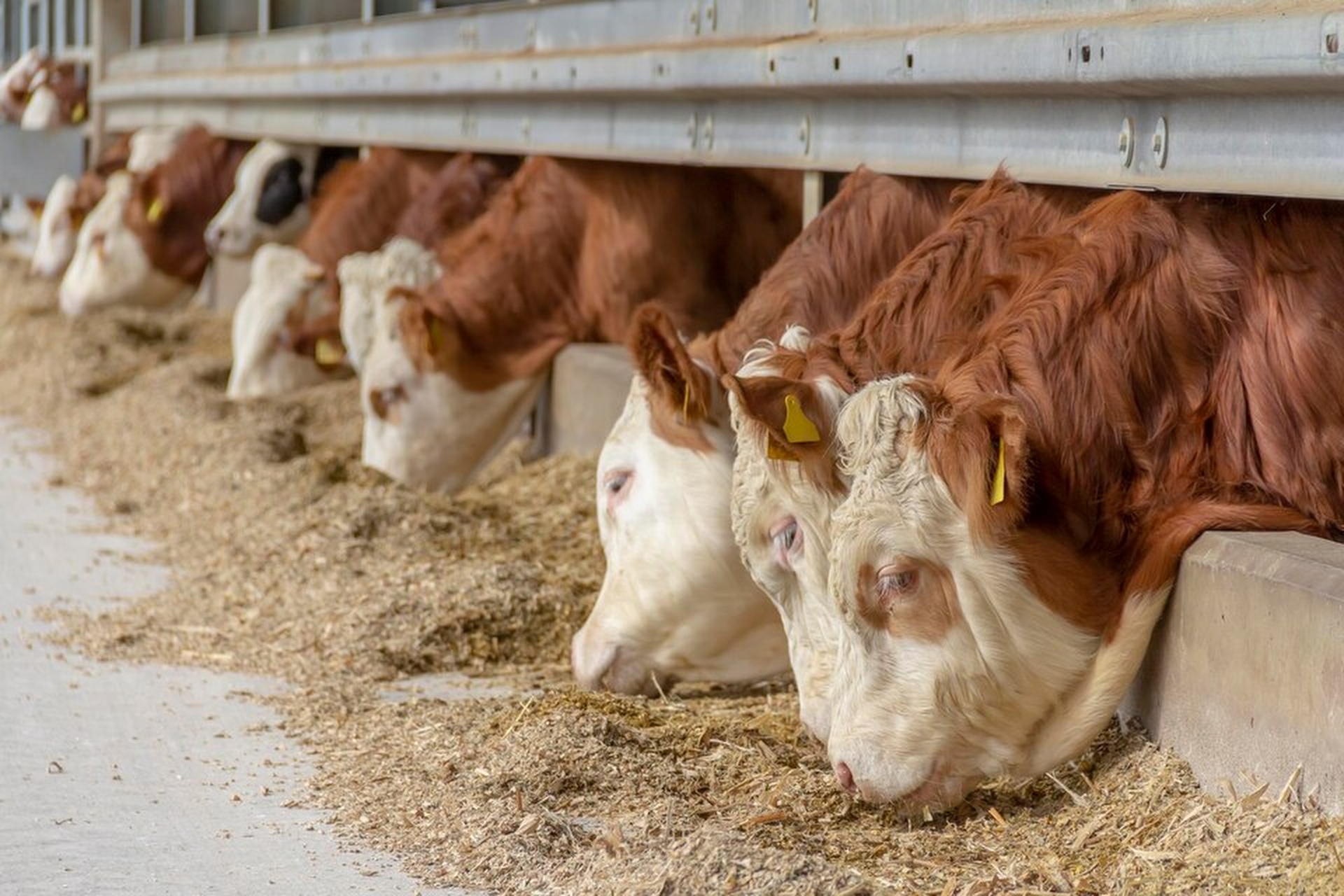
The grain-fed business in Australia is growing. Current data shows feedlot capacity surpasses 1.6 million heads with 1.4 million cattle on feed at any one time. Grain-fed cattle accounted for 47% of processed cattle in 2022, with over 90,500 tonnes of meat exported in a quarter.
In 2025, Australian beef output is expected to reach 2.7 million tonnes with a processing weekly kill capacity of 155,000 head. Carcase weights are projected to decrease by 1.6%, reaching 304.7 kg per person.
The Role Of Grass Fed Cattle
Although grain-fed beef is gaining popularity, grass-fed cattle are still vital to Australian agriculture. Natural pasture grazing is used by 39 of the country’s broadacre livestock farms. About 22,100 specialty beef farms in Australia concentrate on grass-fed operations, preserving the country’s reputation for high-quality pasture-raised cattle.
One important factor is that cattle often start on grass before transitioning to grain. This hybrid technique lets farmers adjust to market changes and improve beef quality.
Market And Trade Outlook
Australian beef exports are expected to reach a record 1.904 million tonnes in 2025, reflecting the dynamic global cattle market. US beef exports are projected to decrease by 12%, creating chances for Australian producers to meet worldwide demand.
Producer Insights Expansion And Strategy
Farmers Are Preparing For Industry Growth. In 2025
- Herd growth is expected to increase by 6%.
- 53% of producers plan to retain more heifers.
- 19% aim to purchase more steers.
- 45% are looking to expand their beef cattle herd.
- 50% of northern producers plan to scale up their operations, compared to just 4% in the south.
Cost And Profitability Comparison
Cost is a crucial consideration when selecting grass-fed versus grain-fed cattle. Key distinctions are listed below.
|
Factor |
Grass-Fed Cattle |
Grain-Fed Cattle |
|
Feed Costs |
Lower (pasture-based) |
Higher (grain-based) |
|
Growth Rate |
Slower |
Faster |
|
Meat Quality |
Leaner, stronger flavor |
Higher marbling, tender |
|
Market Price |
Higher premium, niche market |
More consistent, global demand |
|
Environmental Impact |
Lower (natural grazing) |
Higher (feed production, waste) |
Sustainability And Consumer Preferences
Sustainability has become more important in consumer decisions. Grass-fed beef is preferred by customers owing to grain-fed production’s environmental effect on water and feed resources. Grain-fed beef is still the best choice for quality and year-round availability, making it a worldwide contender.
The Future Of Australian Beef Farming Hybrid
In certain cases, grass-fed and grain-fed are compatible. Australian cattle often begin their lives on pasture before moving to grain-based feedlots. This hybrid method gives farmers the best of both worlds: low expenses and high-quality meat.
Future Considerations For Australian Farmers
Due to climate change Australian farmers must consider their enterprises’ resilience. Drought may make grass-feeding unsustainable, forcing farmers to use grain-fed systems. Regenerative agriculture may improve pasture sustainability, benefiting grass-fed farms in the long run.
Technology in feed efficiency and cattle genetics may also impact both feeding techniques. Precision feeding and data-driven herd management will help beef farmers maximize profitability and sustainability in the changing beef industry.
Economic Viability Of Grass Fed vs Grain Fed Cattle
Financial factors influence a farmer’s choice of grass-fed versus grain-fed cattle. Farmers lose revenue because grass-fed cattle take longer to reach market weight due to natural grazing. Since grass-fed cattle don’t need feedlots or other infrastructure, production costs are lower. Grain-fed cattle finish faster and have higher feed water and management costs, but they return on investment faster. Market trends, export demand, and local feed prices affect both systems’ profitability.
Environmental Impact And Sustainability
Sustainable beef production is a growing concern, and both feeding systems have different environmental impacts. Suppose mismanaged grass-fed cattle can overgraze and degrade vast grazing lands. Well-managed grazing systems can boost biodiversity, soil health, and carbon sequestration. However, grain-fed systems are criticized for using high-energy feed production, which emits greenhouse gases. However, feed efficiency and methane reduction innovations are making grain-fed operations greener.
Future Australian Beef Trends
Australian farmers can expect a growing demand for sustainable beef regardless of feeding methods. Traceability and ethical farming are growing in US and Asian export markets. With herd increase predicted in 2025, farmers will need to combine profitability with sustainability, employing new technology and breeding approaches to boost efficiency. Whether grass-fed or grain-fed, the emphasis will remain on producing high-quality beef while adjusting to growing customer demands and environmental issues.
Final conclusion Grass vs Grain: What’s Best?
The issue between grass-fed and grain-fed cattle isn’t a straightforward one. Each has its advantages.
Grass-fed beef appeals to people searching for natural organic meat with possible health advantages.
Grain-fed beef offers consistent quality, increased marbling, and a more efficient turn-off rate.
For Australian farmers, the optimal method may lay in flexibility, employing both systems strategically depending on market trends, seasonal circumstances, and customer demand. As the sector expands and changes, remaining informed with reliable data will be vital to long-term success.