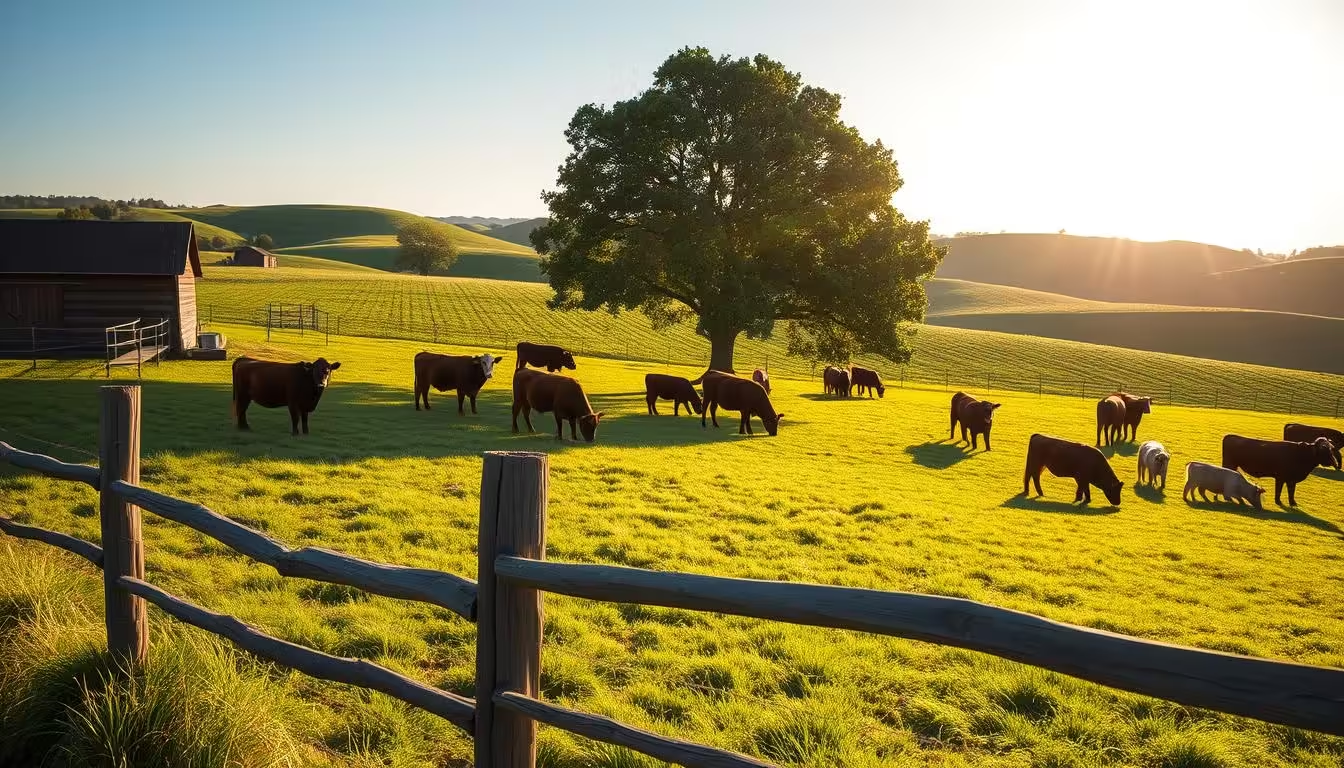

What if the key to premium, trustworthy meat wasn’t found in a supermarket, but right outside your back door?
For many Australian landholders, bovines are more than just livestock; they are efficient converters of pasture into high-quality protein. This process turns otherwise unusable plants into a valuable product for people. Whether the goal is stocking a family freezer or building a commercial enterprise, understanding the fundamentals is the first step.
The approach to this type of farming differs significantly based on its purpose. Home-raised meat is often produced with a singular focus on providing wholesome food for the family. In contrast, the commercial sector prioritises creating the most marketable product efficiently.
Success in this field requires a commitment to animal welfare and sound management practices. It involves significant responsibility, but the rewards can be substantial. These include access to superior-quality meat and the potential for a reliable income stream.
Key Takeaways
- Beef cattle efficiently convert pasture into high-quality protein, making them valuable for Australian properties.
- Operations can range from small-scale for personal consumption to larger commercial enterprises.
- Meat produced for your own family often prioritises quality and known origins over speed and maximum profit.
- Successful farming hinges on strong animal welfare practices and effective land management.
- While it demands hard work, the venture offers rewards like premium meat and potential financial returns.
- Understanding specific Australian market conditions and opportunities is crucial for profitability.
Introduction to Profitable Beef Cattle Farming
Australian beef producers face a landscape of unique opportunities that blend traditional farming wisdom with modern market demands. Understanding these dynamics is crucial for building a sustainable operation.
Understanding market opportunities in Australia
The Australian market offers diverse pathways for livestock operations. Urban consumers increasingly seek transparently produced, high-quality meat with known origins.
Direct sales through farmers’ markets and restaurant partnerships provide premium positioning opportunities. Organic certification can further enhance market appeal for conscientious buyers.
The benefits of sustainable beef farming
Effective resource management forms the foundation of sustainable operations. Producers must balance five key elements: land, labour, capital, feed, and management expertise.
This approach benefits both the environment and business outcomes. Sustainable practices improve soil health and pasture condition while meeting consumer demand for ethical production.
Small-scale operations offer realistic benefits rather than immense wealth. A modest herd can cover property costs while providing family food security.
Understanding the Fundamentals of Raising Beef Cattle
The decision to bring bovines onto your land requires more than just adequate fencing and pasture – it demands fundamental knowledge about the creatures you’ll be caring for. These are large, powerful animals that deserve respect and proper handling from the start.
Mature livestock can easily reach 450-545 kilograms. Even normally calm creatures can accidentally cause injury if handlers aren’t careful. Understanding their physical size and strength is critical for everyone’s safety.
There’s a key distinction between dairy and meat-producing breeds. Animals bred for meat production have heavily muscled bodies designed to efficiently convert feed. This biological difference matters when selecting the right type for your operation.
Successful management means accepting full responsibility for animal welfare. This includes meeting daily needs for feed, water, shelter, and health care. These creatures depend entirely on their caretakers for wellbeing.
Australian producers should consider their land capacity, climate conditions, and intended market when choosing breeds. Education and preparation always come before bringing any animals home. Proper planning ensures both human safety and livestock welfare.
Preparing Your Farm for Cattle Success
Before the first animal arrives, a well-prepared property forms the foundation of a successful livestock operation. Proper planning prevents stress for both handlers and livestock while ensuring efficient daily management.
Setting up secure grazing areas and facilities
Secure perimeter fencing is the first priority. Options include six-strand high-tensile wire or woven wire at least 1.2 metres high.
Electric fencing offers flexibility for rotational grazing systems. This approach maximises pasture use across your land.
Handling facilities like yards and crushes are essential for safe animal care. These areas allow for routine health procedures without stress.
Essential equipment and shelter considerations
Basic equipment includes feeders that prevent waste and ensure all animals have access. Water systems must provide clean water at all times.
Shelter needs protection from Australian weather extremes while maintaining good ventilation. A three-sided structure facing away from prevailing winds works well.
Investing in proper facilities before purchase saves time and money later. The right setup creates a safe place for your operation to thrive.
Selecting and Breeding Healthy Cattle
Building a productive herd begins with two critical decisions: which animals to purchase and how to breed them. These choices determine your operation’s genetic potential and long-term profitability.
How to identify healthy animals
When evaluating potential additions to your herd, look for specific health indicators. Healthy creatures display alert behaviour without being excessively wild. Their eyes should be bright and clear, free from any discharge.
Check for smooth, regular breathing without coughing. The body condition should appear full and rounded rather than shrunken. Movement should be free and easy, showing no signs of lameness.
Avoid any animals showing red flags like nasal mucus or swollen joints. These symptoms often indicate underlying health issues that could spread through your herd.
Establishing an effective breeding program
Successful breeding starts with performance data analysis. Evaluate measurable traits like weaning weights adjusted to 205 days. This standardized measurement allows fair comparison between different calves.
Select breeding males that complement your females’ strengths while improving weaknesses. Always invest in the best genetics you can afford, as bulls influence entire calf crops.
Gestation typically ranges from 282 to 288 days. Time your breeding season to ensure calves arrive when pasture conditions support optimal growth.
Nutrition and Feeding Strategies for Beef Cattle
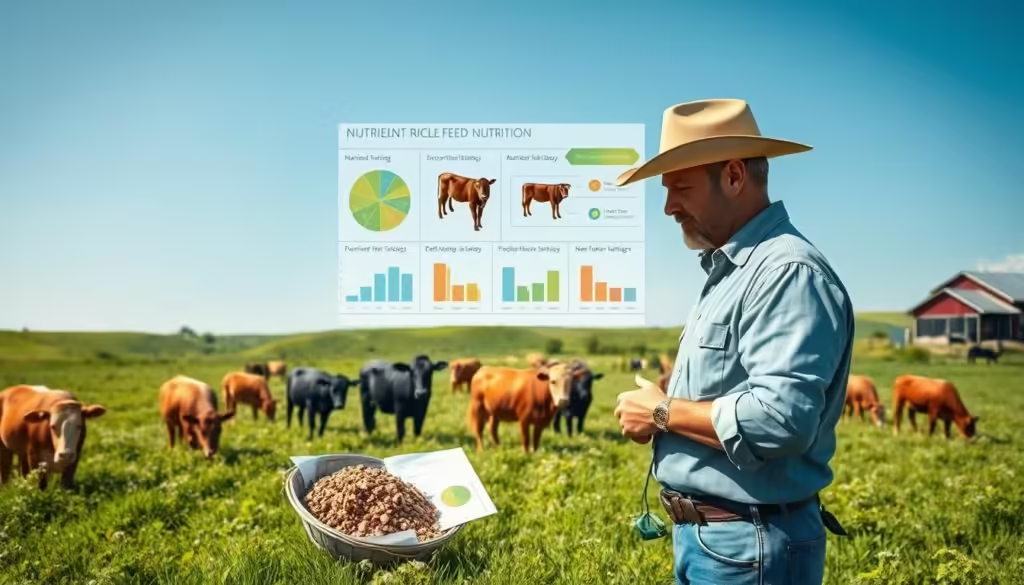
Understanding what goes into your animals’ diet directly affects their wellbeing and your operation’s profitability. Getting the nutrition right supports healthy growth and ensures you meet market specifications.
These creatures can consume up to 3% of their body weight in dry matter each day. This calculation helps producers plan their feed requirements accurately.
Balancing forage with concentrates
Quality forage should form the foundation of any feeding program. This can come from fresh pasture or conserved hay during drier periods.
Concentrates like grains provide extra energy when needed. They’re particularly useful during drought or for supporting lactating cows.
Always make dietary changes gradually over about a week. Sudden switches can disrupt digestive systems and cause health issues.
Integrating minerals and vitamin supplements
Australian soils often lack essential minerals like phosphorus and selenium. Supplementation is crucial for maintaining herd health and productivity.
These nutrients can be mixed into feed or offered in free-choice feeders. They help ensure animals receive balanced nutrition year-round.
Clean, fresh water remains the most critical nutrient. A mother cow with a nursing calf may drink over 68 litres on a hot summer day.
Always inspect feedstuffs before use. Avoid mouldy or contaminated materials that could harm your livestock.
Managing Pasture and Water Resources
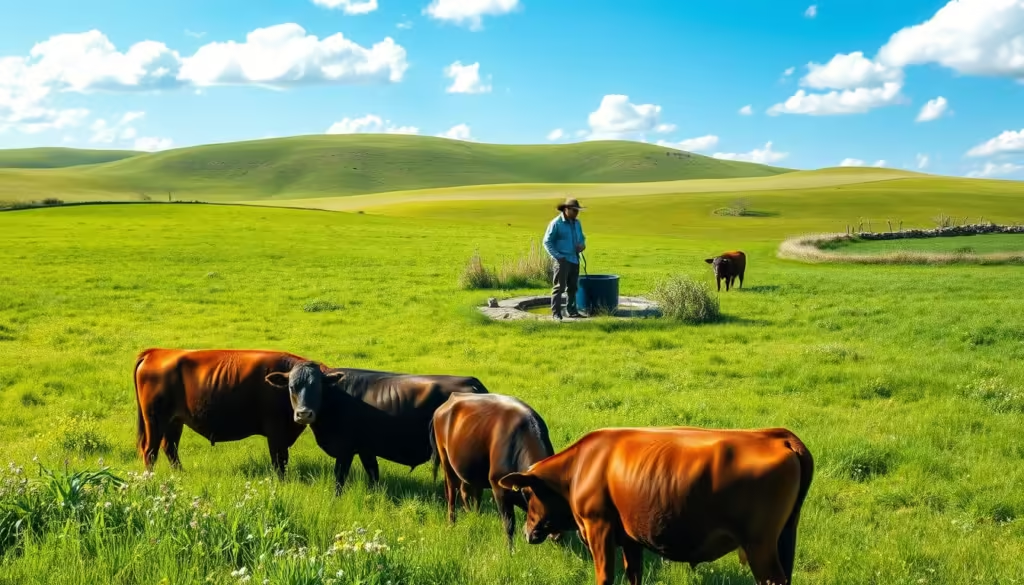
The productivity of any livestock operation hinges on two fundamental resources: quality pasture and reliable water. Strategic management of these elements ensures healthy animals and sustainable land use.
Optimising rotational grazing practices
Rotational systems prevent overgrazing and promote pasture recovery. Moving animals every four to five days allows grass to regrow vigorously.
Subdivide your land into smaller paddocks for better control. Remove stock when pasture height reaches about 10 centimetres. This protects plant crowns and maintains productive growth.
This approach spreads manure nutrients evenly across the grazing area. It also breaks parasite cycles that can affect animal health.
Ensuring clean and ample water supply
Water access must follow animals through their rotation. Portable troughs or permanent piped systems provide consistent supply.
Clean, fresh water supports digestion and overall wellbeing. Plan infrastructure that works with your grazing schedule. This reduces labour while maintaining animal health.
Proper resource management creates a resilient operation that can withstand seasonal challenges. Both pasture and water systems require regular monitoring and adjustment.
Health Management and Stress Reduction
The most cost-effective veterinary care is often the care that prevents illness from occurring in the first place. A proactive approach to herd health focuses on creating conditions where animals thrive naturally.
Stress reduction plays a crucial role in maintaining strong immune systems. Calm handling, consistent routines, and proper facilities all contribute to healthier livestock.
Preventative care and regular veterinary check-ups
Daily observation provides the first line of defence against health issues. Watch for changes in feeding behaviour or animals separating from the group.
Understanding normal vital signs helps identify problems early. Healthy mature animals typically have temperatures between 38-39.5°C and pulse rates of 40-80 beats per minute.
Develop a vaccination program tailored to your region’s specific disease risks. This should address respiratory and clostridial diseases, with reproductive vaccines for breeding herds.
New arrivals require quarantine periods ranging from 21 to 120 days. This prevents disease transmission through proper isolation protocols.
Building a strong relationship with your local veterinarian provides access to expert advice. Regular check-ups and health records ensure your herd remains in optimal condition.
Insights from Industry Experts and Homesteaders
The real value of maintaining a small herd extends far beyond simple financial calculations. Experienced Australian producers share wisdom that helps newcomers avoid common pitfalls.
Learning from established operators reveals diverse approaches to success. Some focus on premium grass-fed meat for direct sales. Others prioritise land management and family food security.
Learning from established cattle producers
Practical information from veterans highlights multiple benefits. A modest operation can cover property costs while providing quality meat. It also offers educational opportunities for young people.
One rural veterinarian observed:
“A small herd of six cows may not generate significant cash profit, but it will pay the property taxes and keep the pastures trimmed down.”
Incorporating real-life success stories
Australian families discover that livestock teaching responsibility and work ethic. Children learn the life cycle while contributing to household needs.
| Operation Type | Primary Focus | Key Benefits | Market Approach |
|---|---|---|---|
| Homestead Herd | Family food security | Known quality meat, land maintenance | Personal consumption |
| Premium Grass-fed | Direct consumer sales | Higher margin product | Farmers markets, restaurants |
| Seedstock Breeding | Genetic improvement | Breeding stock sales | Other producers |
Continuous learning remains essential for growth. Connecting with local groups provides region-specific information for your place and times.
Conclusion
Building a sustainable enterprise means connecting animal welfare with business fundamentals in a way that works for your land. This approach creates operations that withstand market fluctuations while maintaining high standards for livestock care.
The journey requires balancing practical skills with financial realism. Proper preparation—from secure fencing to reliable water systems—forms the essential foundation. These investments pay dividends in animal health and operational efficiency.
Australian producers have access to excellent resources through local networks and agricultural services. Continuous learning and adaptation to specific conditions remain crucial for long-term success. The rewards extend beyond financial returns to include quality food production and sustainable land stewardship.
With commitment to best practices and realistic expectations, this venture offers meaningful opportunities for Australian landholders. The path forward combines traditional wisdom with modern insights for operations of all scales.