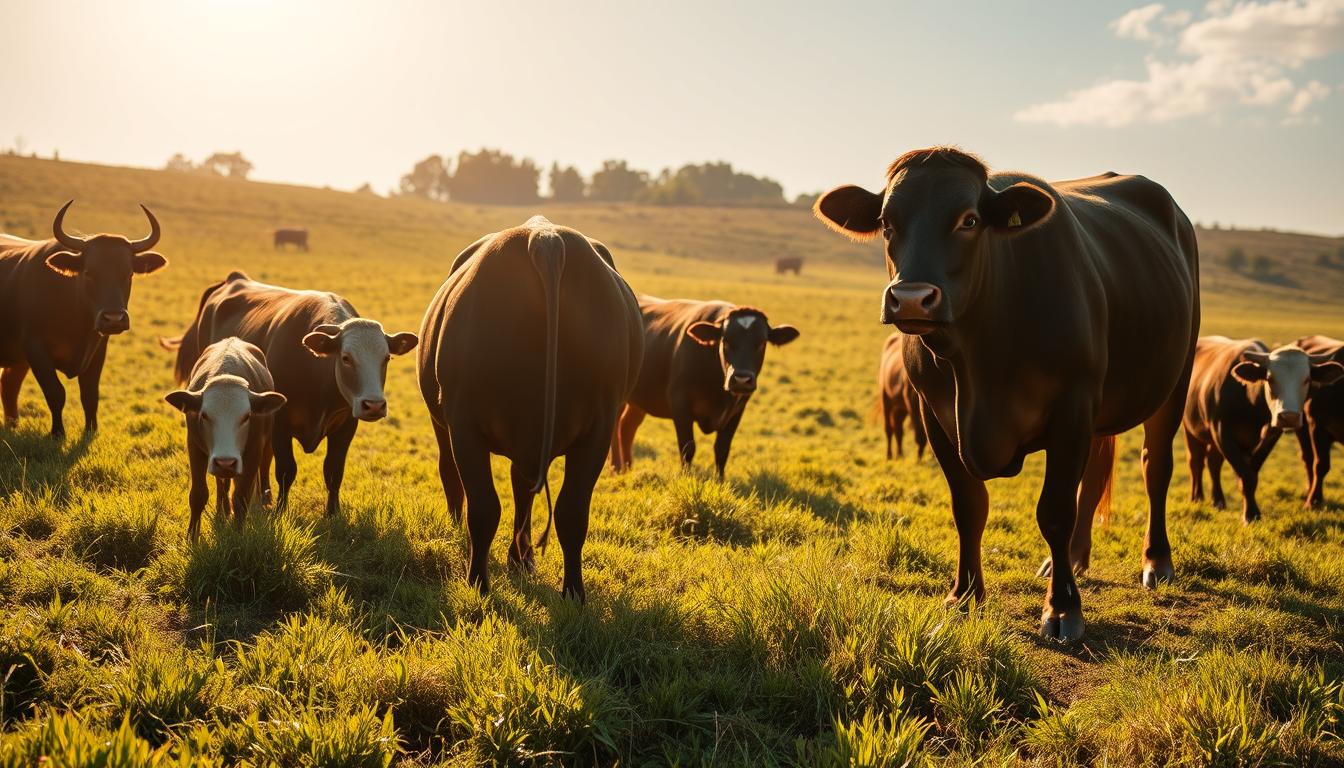

Do you know the key factors that affect your cattle’s welfare and productivity in Australia? It’s important to keep your cattle healthy for their well-being and your farm’s success.
Managing cattle welfare means looking at different factors that impact their health. You should also monitor their health closely and use the best practices to stop diseases. Keeping up with the latest news on cattle care is key. You can stay informed by subscribing to a cattle newsletter. It will keep you updated on important guidelines, like the Australian Animal Welfare Standards and Guidelines for Cattle.
Key Takeaways
- Understanding the Australian Animal Welfare Standards and Guidelines for Cattle is essential.
- Regular monitoring of cattle health is vital for early disease detection.
- Applying best management practices improves cattle welfare and productivity.
- Staying updated with the latest cattle care information is important.
- Subscribing to a cattle newsletter can keep you informed about cattle news and information.
Want to hear more from us? Subscribe to our newsletter today for all the latest news & Information.
Understanding Australian Beef Cattle Breeds
Beef cattle breeding in Australia needs a deep understanding of breeds that do well in different climates. The country’s varied climate, from tropical to temperate, means picking the right breed is key. This ensures the best productivity and health for the cattle.
Popular Breeds for Australian Conditions
Australia has many beef cattle breeds, each suited to different areas. These breeds are often chosen based on how well they handle heat or cold.
Heat-Tolerant Breeds for Northern Australia
The tropical climate of northern Australia needs breeds that can handle high heat and humidity. Brahman and Brahman cross breeds are favourites here. They’re good at dealing with heat and fighting off ticks and parasites.
Cold-Hardy Breeds for Southern Regions
The south of Australia gets cooler, with colder winters. Breeds like Angus and Hereford are perfect for these areas. They’re tough and produce high-quality beef.
Breed Selection Based on Climate Zones
Choosing the right breed for your climate is vital for a successful cattle farm. Consider the temperature, rainfall, and quality of your pasture.
Matching Breeds to Your Property’s Environment
It’s important to pick a breed that fits your property’s specific needs. For example, if your area has extreme temperatures, choose breeds that can handle them.
Cross-Breeding Strategies for Australian Conditions
Cross-breeding can boost cattle productivity and adaptability. Mixing breeds can combine their best traits, like heat tolerance and high-quality beef.
| Breed | Climate Suitability | Key Characteristics |
|---|---|---|
| Brahman | Heat-Tolerant | Resistance to ticks and parasites, high fertility |
| Angus | Cold-Hardy | High-quality beef, hardiness |
| Hereford | Cold-Hardy | Hardiness, fast growth rate |
“The key to successful beef cattle farming in Australia lies in understanding and selecting the right breed for your specific climate and region.”
Essential Beef Cattle Care and Management Principles
Beef cattle care in Australia needs a detailed plan. This includes daily tasks, seasonal changes, and keeping records. Keeping your cattle healthy and productive is key to your farm’s success.
Daily Care Requirements
Every day, you must check on your cattle’s health. Make sure they eat well, drink clean water, and watch for sickness or injury. Regular checks help spot problems early, so you can act fast.
Seasonal Management Considerations
Seasons change, and so does how you care for your cattle. It’s important to know and prepare for these changes to keep your cattle healthy and productive.
Summer Heat Management
In summer, it’s vital to manage heat stress. Give them shade, plenty of cool water, and adjust feeding times to cooler hours.
Winter Care in Southern Australia
In southern Australia’s winters, protect your cattle from cold and wet. Use windbreaks, keep bedding dry, and feed them more to meet their energy needs.
Record Keeping for Effective Management
Keeping good records is vital for managing your cattle well. Track feeding, breeding, health, and growth. Good records help you make smart choices and see where you can improve.
| Aspect | Summer | Winter |
|---|---|---|
| Nutrition | Adjust feeding to cooler times | Increase energy intake |
| Hydration | Ensure access to cool water | Maintain access to unfrozen water |
| Shelter | Provide shade | Provide windbreaks and dry bedding |
“The key to successful cattle management is attention to detail and a proactive approach to their care.”
Setting Up Proper Cattle Infrastructure
A well-planned cattle infrastructure is key for managing beef cattle in Australia. It includes the right fencing, reliable water systems, and well-designed yards and handling facilities.
Fencing Requirements and Options
Effective fencing is vital for your cattle operation’s success. Choose durable materials and designs that can handle Australia’s weather.
Key considerations include:
- Durability
- Cost-effectiveness
- Animal safety
“Fencing is not just about containing your cattle; it’s also about keeping predators out and maintaining the overall health of your herd.”
Water Systems for Australian Conditions
A reliable water supply is essential for cattle health. In Australia’s variable climate, a consistent water supply is critical.
Drought-Proofing Your Water Supply
To drought-proof your water supply, consider water conservation measures. Also, invest in robust water storage solutions.
Water Quality Management
Managing water quality is equally important. Regular testing and maintenance of water sources can prevent disease and ensure cattle health.
Cattle Yards and Handling Facilities
Well-designed cattle yards and handling facilities are essential for efficient cattle management. They reduce stress on both animals and handlers, improving safety and productivity.
Cattle Nutrition Tips for Australian Conditions
Cattle nutrition is key to your herd’s health and productivity in Australia’s varied climate. Giving your cattle the right nutrients is vital for their growth and well-being.
Understanding Nutritional Requirements
Your cattle need a balanced diet with proteins, carbs, fats, vitamins, and minerals. Their needs change based on age, breed, and production stage. For example, lactating cows need more nutrients than dry cows.
Supplementary Feeding Strategies
Supplementary feeding is vital, mainly when nutrients are scarce. This can include hay, silage, or grains. Dry season supplementation is key in Australia, where dry weather affects pasture quality.
Dry Season Supplementation
In the dry season, pasture quality drops. High-quality hay or silage can keep your cattle’s nutrition up. Make sure the supplement matches your herd’s nutritional needs.
Cost-Effective Feed Options
Supplementation is important, but cost-effective feeds are also key. Using local feedstuffs or optimizing available resources is wise. For example, tagasaste or fodder crops can be a budget-friendly option.
Water Requirements in Different Australian Climates
Water is essential for cattle, and needs vary by climate. In hot, humid areas, cattle need more water. Always provide clean, fresh water to keep them healthy and productive.
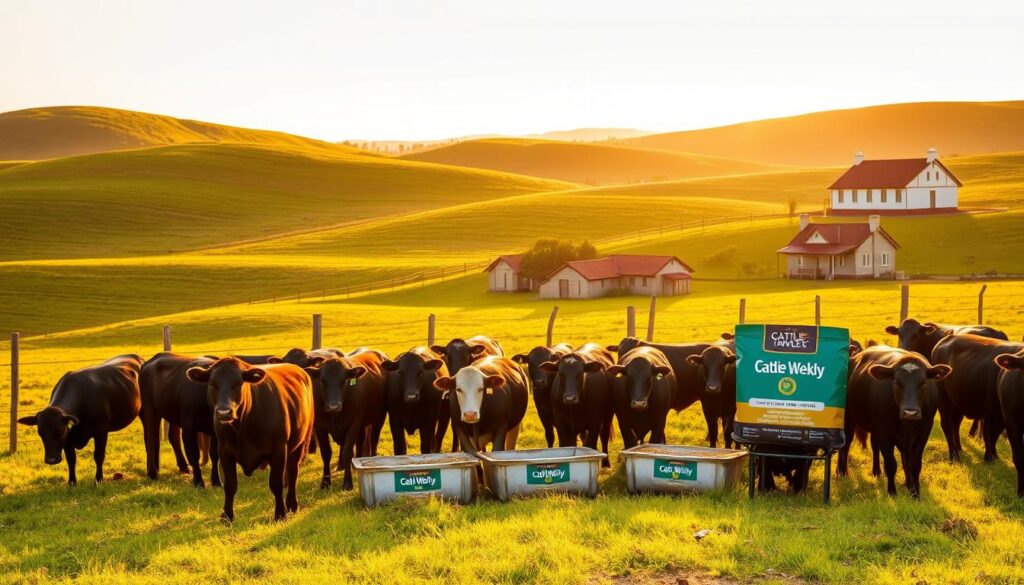
Understanding and meeting your cattle’s nutritional needs boosts their health and productivity. Good nutrition management is vital for successful beef cattle farming in Australia.
Managing Pasture for Optimal Cattle Health
Effective pasture management is key for your beef cattle’s health in Australia. The right techniques boost cattle health, improve pasture quality, and raise farm productivity.
Pasture Rotation Techniques
Pasture rotation is a vital strategy for cattle health. It lets grazed areas recover, keeping pasture quality high and preventing overgrazing. Divide your pasture into smaller paddocks and move cattle between them based on forage availability.
- Monitor pasture health regularly.
- Adjust stocking rates according to pasture conditions.
- Use a rotational grazing plan tailored to your farm’s specific conditions.
Drought Management Strategies
Droughts pose a big challenge for cattle farmers in Australia. A drought management plan is vital for keeping cattle healthy during dry times. This includes reducing stock numbers, supplementary feeding, and choosing drought-tolerant pasture species.
Early Preparation for Dry Conditions
Early preparation is key to lessening drought impacts. This means destocking early, saving fodder, and planning for water use during dry times.
Recovery After Drought
After a drought, a recovery plan is essential. Assess pasture damage, slowly bring cattle back to pastures, and avoid overgrazing.
Sustainable Grazing Practices
Adopting sustainable grazing practices is vital for your pasture and cattle’s long-term health. This includes keeping the right stocking rates, reducing soil erosion, and promoting biodiversity in your pastures.
By using these strategies, you can improve your beef cattle’s health and pasture sustainability.
Effective Cattle Handling Techniques
Learning how to handle cattle safely is key for both the animals and the people working with them in Australian farms. Good handling practices lower stress in animals, make the process more efficient, and cut down on injury risks for everyone involved.
Low-Stress Handling Methods
Low-stress handling methods aim to move cattle with as little stress and effort as possible. It’s about understanding how cattle behave and using their natural movements. By moving slowly and calmly, handlers can greatly reduce stress during handling.
Working with Cattle in Yards
Working in yards with cattle needs careful planning and execution. Two main things to focus on are mustering techniques and yard design.
Mustering Techniques
Effective mustering means moving cattle calmly and in order. Using skilled dogs and riders, and moving at a slow pace, helps lower stress and prevent injuries.
Yard Design for Efficient Handling
A well-designed yard is vital for efficient cattle handling. It should allow for smooth cattle flow, avoid congestion, and give handlers enough space to work safely. Using curved races and avoiding sharp corners helps achieve this.
Safety Considerations for Handlers
Safety is the top priority when handling cattle. Handlers need to be aware of their surroundings, wear the right clothes, and know how to handle cattle. Understanding cattle behavior and body language is also key to staying safe.
Beef Cattle Care and Management for Health Maintenance
The health of your beef cattle is key to your farm’s success. A good health program improves their welfare and boosts your farm’s productivity and profits.
Preventative Health Measures
Preventative health measures are vital for your cattle’s health. A well-planned program covers all aspects of cattle health.
Vaccination Schedules for Australian Conditions
Vaccination is a key part of health care. In Australia, vaccines should match local diseases. Consult with a veterinarian to find the best vaccine schedule for your cattle.
Parasite Control Programs
Parasites can harm your cattle’s health. A good parasite control program includes regular checks and treatments. Regular fecal egg counts show if your program is working.
Common Diseases in Australian Cattle
Knowing about common diseases in Australian cattle is important. Diseases like tick fever, bovine ephemeral fever, and clostridial diseases are big concerns. Knowing symptoms and risks helps you act fast.
When to Call the Veterinarian
Knowing when to call a vet is key for health management. If you see unusual signs or high sickness or death rates, consult a veterinarian. Early action can stop health problems from getting worse.
“The key to successful cattle health management lies in prevention, not treatment.”
This shows why being proactive is important for your cattle’s health.
Beef Cattle Reproduction Management
Managing beef cattle reproduction is key to success in Australia. It covers planning the breeding season, managing fertility, and choosing bulls. It also includes proper calving management.
Breeding Season Planning
Planning the breeding season is vital. It needs careful thought about regional conditions. This aims to boost conception rates and calf survival.
Bull Selection and Management
Choosing the right bull is essential. Bulls should match the breed, fertility, and genetic traits needed. Proper bull management, like health checks, is also important.
Calving Management in Australian Conditions
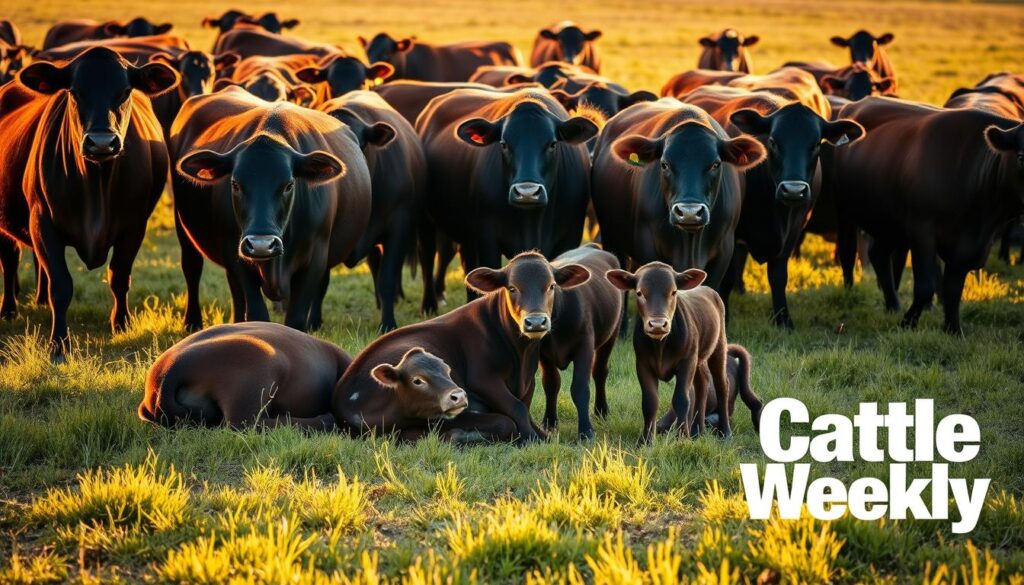
Calving management is critical for cow and calf health. It involves monitoring cows closely and providing help when needed. Newborn calves must get enough colostrum.
| Region | Optimal Breeding Season | Key Considerations |
|---|---|---|
| Northern Australia | Wet Season | Coincide with feed availability |
| Southern Australia | Spring or Autumn | Avoid extreme weather conditions |
Navigating Australian Cattle Regulations and Compliance
It’s vital to know and follow Australian cattle rules to run a successful operation. As a cattle producer, you need to understand and stick to the many regulations in the industry.
National Livestock Identification System (NLIS)
The National Livestock Identification System (NLIS) is key to Australia’s cattle management. It helps track cattle movements and manage biosecurity.
Tagging Requirements
Cattle must wear an NLIS-approved tag. These tags are important for identifying animals and tracking their journey across different places and sale yards.
Record Keeping Obligations
Keeping accurate records is a must under the NLIS. You should keep detailed records of cattle movements, like births, deaths, and transfers. This info is key for traceability and following the rules.
Transport and Movement Regulations
When you move cattle, you must follow certain rules. It’s important to know these rules to avoid breaking them and facing penalties.
When moving cattle, you must ensure their welfare. This includes giving them enough food, water, and rest.
“The welfare of livestock during transport is a priority, and regulations are in place to ensure that animals are treated humanely,”
Conclusion
Understanding and applying the principles in this article can help keep your beef cattle healthy and productive. Choosing the right breed for Australia’s climate is key. Managing pastures and handling cattle well is also vital.
To keep up with the latest in beef cattle care, subscribe to our newsletter. It offers ongoing support and insights. This helps you deal with the challenges of cattle farming in Australia.
By following these tips and staying informed, you can improve your beef cattle care. This leads to better results for your farm.
FAQ
What are the key factors to consider when selecting a beef cattle breed for my Australian property?
When picking a beef cattle breed, think about your property’s climate. Australia’s climate varies greatly. In the north, heat-tolerant breeds work best. For the south, cold-hardy breeds are better.
How can I ensure the welfare of my cattle herd?
To keep your cattle happy and healthy, check their condition regularly. Use good management to stop diseases. Also, keep up with the latest cattle news by subscribing to a newsletter.
What are the essential elements of effective beef cattle care and management?
Good cattle care means daily tasks, seasonal planning, and keeping records. Manage them well in extreme weather. Make sure they eat right and keep detailed records.
How can I manage pasture effectively for optimal cattle health?
Effective pasture management includes rotation to improve soil and cattle health. Use drought plans and sustainable grazing. These steps help your cattle thrive.
What are the best practices for handling cattle safely and humanely?
Safe and humane handling means using low-stress methods. Design yards well and use good mustering techniques. Always keep handlers safe and reduce stress on cattle.
How can I maintain the health of my beef cattle?
To keep your cattle healthy, use preventative measures like vaccinations. Know about common diseases and when to see a vet. This helps prevent health issues.
What are the key considerations for beef cattle reproduction management?
Good reproduction management includes planning the breeding season. Manage fertility and select bulls wisely. Proper calving management is also key.
What regulations do I need to comply with as a cattle producer in Australia?
As a cattle producer, follow the National Livestock Identification System (NLIS). Understand tagging rules, keep records, and follow transport rules.
How can I ensure I’m providing adequate nutrition for my cattle?
Knowing your cattle’s nutritional needs is vital. Use supplements in dry seasons. Manage water well, depending on the climate.
What are the important considerations for setting up proper cattle infrastructure?
Good infrastructure includes strong fencing, reliable water, and well-designed yards. Make sure your water is drought-proof and clean.