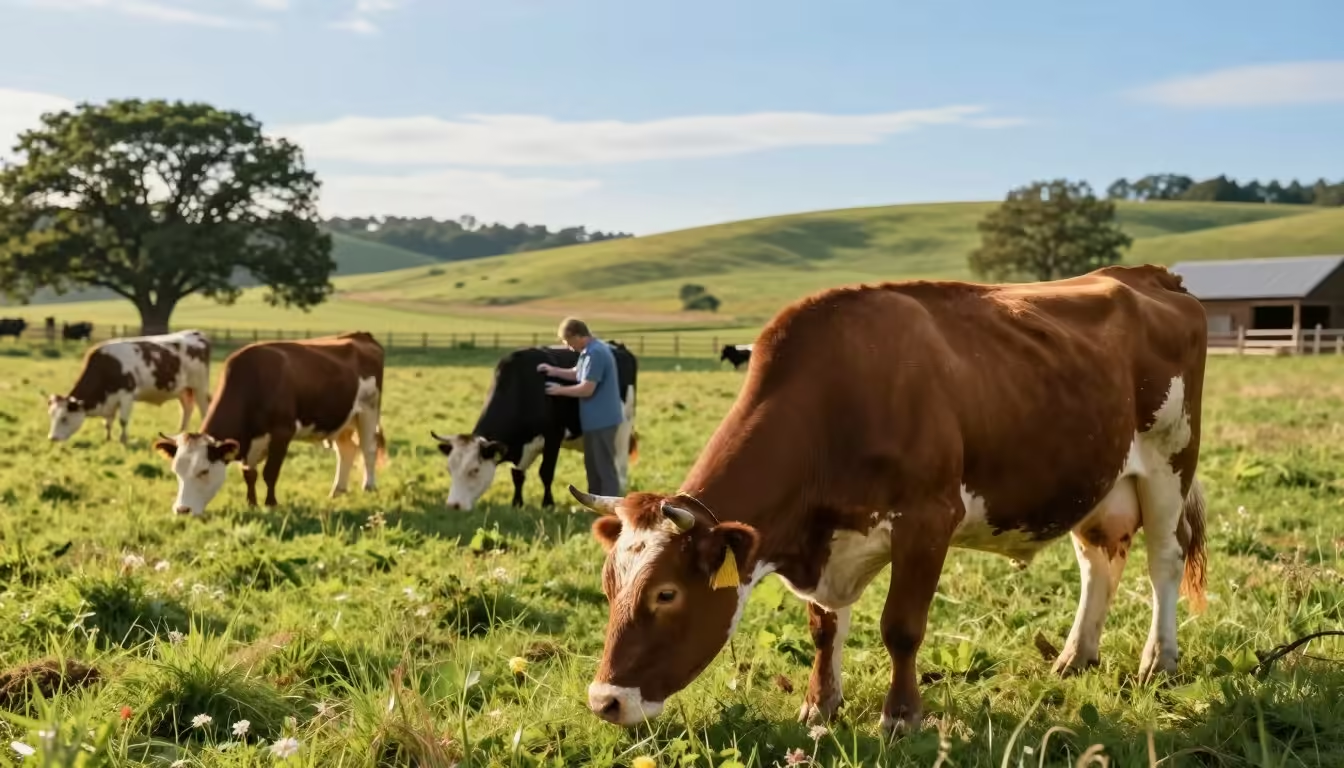

Curious why so many newcomers trip up in the paddock despite good intentions? The opening choices — which production system to run, how to manage feed and water, and when to breed — shape profit and animal welfare from day one.
The Australian sector spans broadacre stations, mixed farms and intensive feedlots. Each system brings different labour, facility and nutrition requirements. New operators need a clear plan for yards, paddocks and simple record-keeping to reduce costly mistakes.
Practical goals are straightforward: turn healthy stock into consistent meat outcomes, understand liveweight-to-carcass conversion, and match herd structure to seasonal windows. The three main production stages — cow-calf, backgrounding and feedlot — demand different feeds, handling and risk controls.
Start measured: pick the system that suits your land, prioritise water access and low-stress handling, and track daily nutrition targets with a simple checklist. Good systems beat guesswork and protect both reputation and returns.
Key Takeaways
- Choose one production system to master before expanding.
- Focus on feed, water and calm handling as early priorities.
- Know the three stages: cow-calf, backgrounding, feedlot.
- Track liveweight-to-carcass outcomes to protect cash flow.
- Simple records and local advice cut early-season risks.
- Plan yards and workflows to suit property size and herd temper.
Why beef cattle farming in Australia presents unique challenges today
Modern graziers face a mix of weather extremes, rising costs and fickle markets that test new operators fast.
Australia’s climate reality is clear: hot summers, erratic rainfall, drought and flood risk. Flexible feed reserves, spare water points and conservative stocking rates reduce exposure when seasons turn.
Key risks for new producers: climate, costs, and market volatility
Input prices and freight can spike without warning. Labour, animal health and vet bills add further pressure. A cash buffer and staged capital spending protect both herd and business.
Markets swing. Indicators and processor capacity change with seasons and export demand. Forward planning and varied selling windows limit downside risk.
Where beginners commonly get stuck and how to avoid it
- Common mistakes: buying the wrong class for the country, overstocking, underestimating water needs, skipping preventive health.
- Quick wins: start small, match breed to pasture and parasites, set basic vaccination and biosecurity routines, keep clear records.
- Operations pinch points: plan wet‑weather access, truck turning space and shade in yards to reduce stress and lost weight.
Local advice from neighbours, agents and vets helps tailor plans to district risks. Budget a season or two of learning before scaling numbers.
Understanding Australia’s beef production systems
Producers choose from three core production routes that shape lifetime growth and market options. Each route—cow‑calf, backgrounding and feedlot—has defined inputs and outcomes. Pick one and learn it well before expanding.
Cow‑calf operations: setting the foundation
Cow‑calf operations hinge on a clear joining plan, calving windows and sensible weaning weights. Maternal traits and low‑stress handling set lifetime performance.
Good records on calves, breeding and condition score reduce surprises at sale or entry to the next phase.
Backgrounding: preparing feeders
Backgrounding builds frame and gut capacity on pasture or forage crops. The aim is steady growth that eases the switch to higher‑energy diets for finishing.
Feedlot finishing: feed, weight and timing
Feedlots control daily rations, shade, water and health to push daily gain and carcass specs. Entry weight, temperament and prior nutrition dictate time on feed.
Replacement heifers vs feeder stock
Replacement heifers are selected for breeding, not finish. They need joining age, condition and longer planning; feeders target rapid gain and sale weight.
| Stage | Primary goal | Key inputs |
|---|---|---|
| Cow‑calf | Reproduce and wean healthy calves | Breeding plan, pasture, low‑stress yards |
| Backgrounding | Steady growth, prepare for finishing | Forage, pasture budgets, parasite control |
| Feedlot | Optimise daily gain and carcass | Balanced feed, water, health monitoring |
- Practical tip: match your system to local country—high‑rainfall pastures suit backgrounding; stubbles and forages help mixed farms.
- Daily checks of rumen fill, dung and behaviour catch problems before weight is lost.
Selecting cattle breeds for Australian conditions
Breed selection sets the starting point for herd resilience, growth and market fit on any property. Choose genetics that cope with your local climate and the parasites you face.
Heat, humidity and parasite tolerance
For hot, humid or tick-prone northern country, Bos indicus and composite types offer loose skin, slick coats and a hump that aid heat loss and parasite resistance.
British and British-cross animals suit temperate pastures where marbling and maternal traits meet market specs.
Australian-bred options and where they fit
- Droughtmaster / Brangus / Braford: durable in dry, north‑west country and resistant to heat and ticks.
- Belmont Red / Murray Grey: perform well in mixed rainfall zones with good carcass quality and maternal traits.
- Lowline: small-framed option for limited acreage or direct-marketing models.
Practical checks: buy locally proven bloodlines, check feet, udder soundness, calm temperament and BCS. Match frame size to feed supply so animals reach your target weight and finish without stress.
Record sire and dam performance and select on fertility, calf survival and market-aligned carcass traits to improve returns over time.
Breeding, calving and herd fertility under variable conditions
Getting mating and calving right saves time and feed while protecting fertility. Practical routines matter more than fancy systems. Plan mating to suit pasture windows and available facilities.
Natural mating versus artificial insemination
Most herds use natural mating: a bull joins the cows about 55 days after calving, adjusted by body condition score. Natural service suits larger paddocks and lower labour settings.
Artificial insemination fast‑tracks genetics but needs handling yards, heat detection and extra labour. For small herds or targeted traits, AI can lift herd performance quickly.
Calving windows, BCS and rebreeding
Set calving windows to match pasture growth. Use body condition score at joining and calving to lift conception and shorten rebreeding intervals.
First‑calf cows often take 10+ days longer to cycle. Protect them with better feed and quieter yards to reduce empty rates and improve long‑term fertility.
“Simple records on joining and weaning are the best tool to lift herd fertility and profitability.”
Selecting sires and bull management
Select sires for growth, carcase quality, calving ease and regional disease resistance. Run soundness exams, check serving capacity and keep joining ratios realistic.
| Topic | Practical action | Outcome |
|---|---|---|
| Mating method | Choose natural service for ease; use AI for targeted genetics | Balanced genetic gain and operational fit |
| BCS & feeding | Score at joining and late gestation; supplement protein/energy as needed | Higher conception and shorter rebreeding intervals |
| Records & health | Track joining, calving, weaning; vaccinate around joining | Lower empty rates and improved herd health |
- Rotate and rest bulls during peak joining.
- Prioritise low‑stress calving: shelter, clean water and quiet observation.
Nutrition, feed and water access across seasons
Good seasonal feed planning separates herds that hold condition from those that chase weight. A clear budget for pasture, hay and supplements reduces emergency buying and keeps stock steady through dry spells.
Meeting nutrient requirements
Different classes need different targets. Late‑pregnant and lactating cows demand higher energy and metabolizable protein. Growing weaners and finishing stock need steady protein and energy to maintain daily gain.
Use forage tests and tailor minerals and vitamins to soil and pasture results. Avoid blanket premixes unless tests show a gap.
Feed options and feeding strategy
Prioritise quality pasture, then hay or silage/haylage to bridge shortages. Grain or pellets fix shortfalls but introduce them slowly to reduce acidosis risk.
On average stock eat 1.4–4% of body weight daily. Match rations to target weight and class to protect condition and performance.
Water demand, access and placement
Always provide potable water. A 1,000 lb animal drinks about 41 L/day and roughly 82 L in hot weather. Add troughs and short travel distances when temperatures rise.
Place water to spread grazing, reduce camps and protect riparian zones with off‑stream systems where practical.
Rotational grazing and simple checks
- Estimate pasture growth, set conservative stocking rates, and bank hay or silage for dry spells.
- Rotate paddocks and allow rest to maintain intake and cut parasite pressure.
- Use quick checks: rumen fill, dung consistency and animal breath rate in heat; adjust rations and shade as needed.
Cattle health, diseases and parasite pressure
Preventive routines, early detection and calm handling cut the biggest risks to stock performance.
Preventive herd health starts with a veterinarian-written plan. Set a regional vaccination calendar that covers respiratory and clostridial risks. Quarantine new animals, check vendor histories and clean shared gear to keep diseases out.
Parasite management that works
Use rotational grazing and regular faecal egg counts to guide treatment. Targeted deworming based on test results prevents resistance. Avoid blanket drenches unless data support them.
Low-stress handling and early detection
Design yards for smooth flow and quiet movement. Calm handling reduces stress and helps immunity. Watch for off‑feed, coughing, droopy ears, lameness or isolation; these are early flags of disease.
- Match nutrition to immune demands for calves and weaners.
- Provide shelter, shade and clean water to meet animal welfare requirements.
- Record treatments, reactions and outcomes; share timing with neighbours and report suspected illness to a vet promptly.
“Simple, consistent health routines protect performance and reduce costly outbreaks.”
Animal welfare, facilities and low‑stress handling
A well‑planned yard and simple shelter choices save time, injuries and lost weight.
Shelter, yard design and safe equipment for humane care
Design yards for calm flow: curved races, non‑slip surfaces and solid sides where needed. Match gates and pens to the herd size so smaller animals aren’t crowded by larger stock.
Provide shade or shelter and easy water access close to pens. Good footing around troughs reduces slips and infections and supports animal health.
Service head bails, crushes and trailers regularly. Reliable gear and calm handlers lower risk to workers and stock, including during loading and transport.
Record‑keeping and monitoring to meet welfare codes of practice
Keep clear records of movements, treatments and incidents. Short holding times, separated weaners and planned truck access show compliance and cut bruising.
- Plan yard clearances for the vehicle size you use.
- Train staff on low‑stress handling and emergency routines.
- Monitor shade, dust and water points in summer.
Preslaughter handling matters: calm animals hang better and deliver more consistent results; humane stunning (typically captive bolt) is standard practice.
Environmental impact and climate resilience
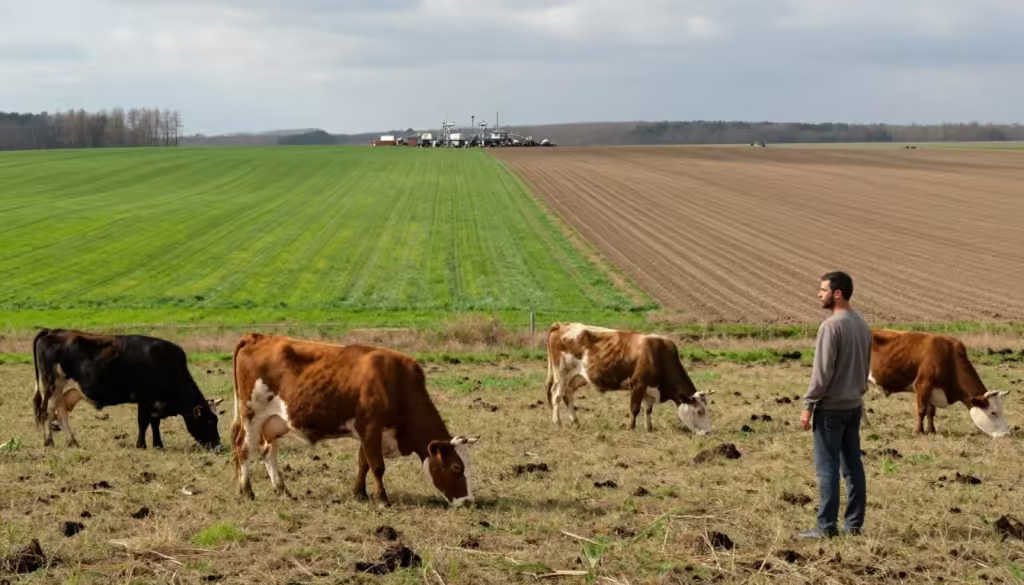
Managing land, feed and water together builds real climate resilience on working farms.
Australia faces clear trade‑offs: methane from rumen digestion sits alongside CO2 from fuel and transport. These issues make reducing emissions per kilo of product a practical priority for producers.
Methane, land and water use: practical steps to reduce emissions
Reduce intensity, not output. Improve feed quality with legumes and better species mixes so animals reach market sooner. That cuts methane per unit of product.
Plan trucking, yarding and feed deliveries to shrink fuel use. Simple timing and route changes lower costs and stress on stock.
“Small, consistent changes compound into meaningful environmental gains without trading off productivity.”
Pasture management and stocking density for soil and biodiversity
Match stocking to seasonal conditions and rest paddocks to keep groundcover. Rotational grazing protects roots and builds resilience in drought years.
Plant shelterbelts and integrate trees for shade, windbreaks and wildlife habitat. These measures improve animal welfare and reduce erosion.
| Practice | Benefit | Quick action |
|---|---|---|
| Improve feedbase (legumes, mixes) | Faster growth; lower emissions/kg | Test pastures; sow clover or legumes |
| Match stocking to seasons | Protected soils; fewer emergency sales | Record pasture growth; adjust NLIs |
| Water efficiency | Lower loss; cooler stock | Fix leaks; install off‑stream troughs |
| Shelterbelts & biodiversity | Shade, wind protection, habitat | Plant native rows near laneways |
Record rainfall, groundcover and feed to act early. Align joining windows with feed peaks so cows cycle on a rising plane of nutrition and use resources efficiently.
Engage local Landcare or catchment groups for site‑based solutions that fit your conditions and the wider agricultural community.
From liveweight to meat quality: processing realities for beginners
Begin with the math: how a head’s live weight becomes hanging carcase and marketable meat.
Typical yields: a 1,000 lb live animal often dresses to ~615 lb carcase. After chilling and trim, expect roughly 430 lb of boxed product. These numbers set realistic targets for price and planning.
Marbling and pH matter: intramuscular fat lifts eating quality and grid value. Calm handling, steady nutrition and sensible growth rates support both marbling and normal pH at slaughter.
Hanging time: ageing for one to four weeks improves tenderness and flavour. Coordinate with processors on chill schedules that match your market.
Breed, age and finish level change carcase specs. Aim stock at the buyer’s weight and fatness to avoid discounts. Small quality gains often pay more than extra live weight.
Practical checklist before turn-off
- Maintain water pre-slaughter; restrict feed 12–24 hours to ease evisceration.
- Use low‑stress yarding, shade and minimal mixing to reduce dark cutting risk.
- Plan transport timing to reduce shrink, bruising and lost performance.
- Collect processor feedback and keep records of paddock, feeding and handling to lift future carcase quality.
“Target specs, not just scale.”
Costs, demand and marketing beef in Australia
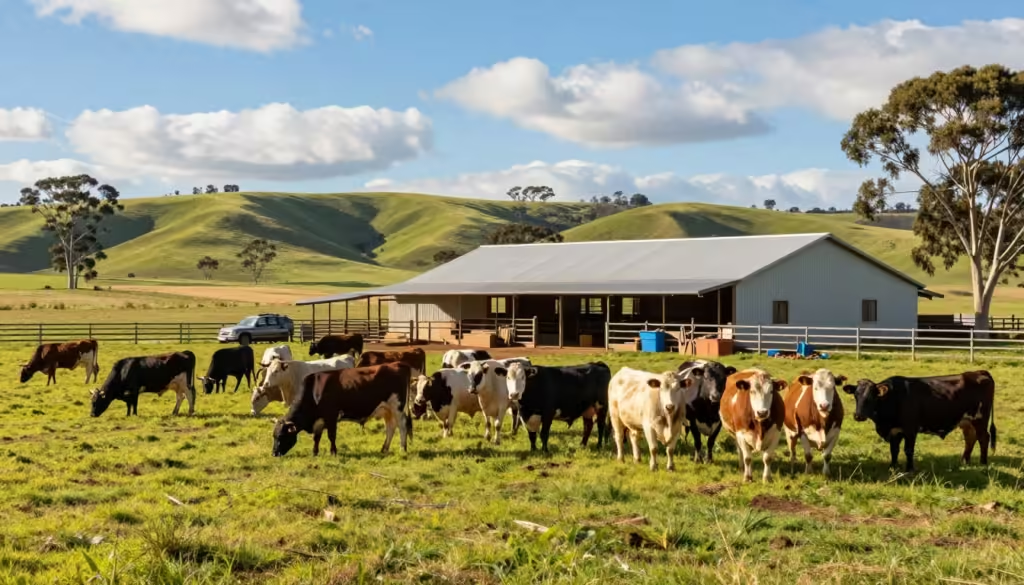
Knowing where stock will go before they hit weight changes how producers plan feed, health and cashflow.
Budgeting for feed, health and facilities
Build a simple budget for each system: cow‑calf, backgrounding or finishing. Include feed, health, labour, facilities maintenance and a contingency for dry months.
Track monthly cash flow and align major expenses with expected sales. This reduces forced selling in weak demand periods.
Direct sales, restaurants and brand storytelling
Diversify channels: saleyards, processor grids and direct-to-consumer all have different timing and specs. Direct sales need food‑safety checks, consistent supply and reliable delivery.
Partner with local chefs and butchers who value provenance. Tell the farm story honestly and stick to verifiable claims.
“Price to cover full costs and profit; sustainable margins keep stock healthy and the business resilient.”
| System | Major costs | Timing risk | Quick action |
|---|---|---|---|
| Cow‑calf | Pasture, vaccinations, labour | Dry season cash flow | Scale weaning; hold contingency feed |
| Backgrounding | Forage, parasite control, yards | Feed price spikes | Lock in hay; stagger sales |
| Feedlot/Finishing | Grain, health, pen upkeep | Market grid shifts | Match entry weight to buyer spec |
Keep paperwork tidy: NLIS, invoices and labels speed payments and protect reputation. Measure marketing by cost per kilo, repeat buyers and feedback; cut what fails and scale what works.
Beef cattle farming: skills, time and systems needed to succeed
Clear workflows, realistic time budgets and regular data checks keep performance steady.
Daily routines matter. Set a realistic workload plan: morning checks, trough hygiene, pasture walks and scheduled yard work. Small, consistent tasks stop problems growing overnight.
Daily operations, data and software to improve herd performance
Use one simple system that fits the property—whiteboard, notebook or a single piece of software. Record joinings, calvings, weights and treatments. Over time those records guide feeding and breeding choices.
Methods that save time work best: batch jobs, clear gate routines and well‑laid yards. Train everyone on safe handling and basic health checks so tasks do not fall to one person.
| Area | Practical step | Benefit |
|---|---|---|
| Records & software | Log weights, treatments, joins weekly | Better growth targets and quicker decisions |
| Daily ops | Set checks for water, feed and dung | Early issue detection; fewer losses |
| Training & advice | Monthly reviews with vet/agent | Fewer surprises; improved herd health |
“Prevention beats crisis—repeatable routines protect time and margins.”
Conclusion
,Start simple and build from steady wins. Match your chosen system and breeds to the country, then lock in routines around water, feed and low‑stress handling.
Keep the production pathway clear: cow‑calf, backgrounding and finishing. Focus on growth milestones that lead to consistent meat outcomes and better carcase results.
Welfare first: shade, clean water and calm yards protect animals, people and returns. Use records to refine joining windows, cull choices and pasture plans each season.
Budget conservatively, diversify marketing where it pays and seek local advice. With a clear plan, reliable routines and respect for land and stock, new producers can build resilient herds and a durable farm business.