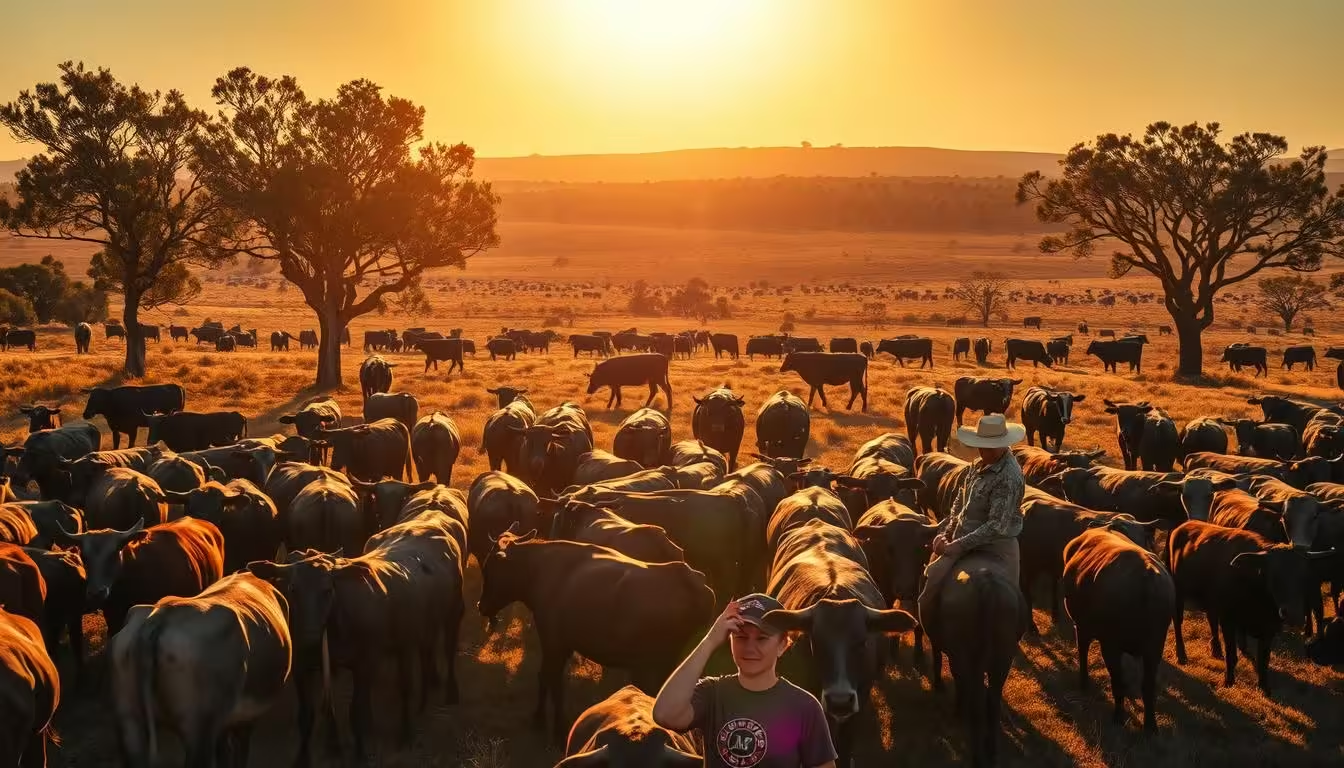

Can a regional producer turn stock into export-grade consignments without losing sleep?
The report opens with clear, practical steps for producers weighing export options. It lays out how the national industry works today, why scale in beef matters, and what systems make exports possible.
More than 63,000 farming businesses supply beef across about 43% of the land. That scale drives pricing, specification and seasonality, and it shapes what processors and exporters require off-farm.
This section defines the export question plainly. It shows what producers must have on-farm and on paper before they deal with processors, live exporters or branded programs.
Readers will see where production strength sits, how it supports steady supply in good seasons and tougher times, and which national services underpin quality and traceability.
Key takeaways
- Australia’s export scale affects price, specs and seasonal supply.
- Producers need simple on-farm systems and clear paperwork to access markets.
- Traceability tools and national bodies support buyer confidence.
- Some export paths are quick once systems are ready; others need time and relationships.
- Focus on the tasks that matter to avoid common missteps.
Australia’s beef industry now: scale, value and the export imperative
The current beef landscape combines large export volumes with deep regional supply networks.
Market snapshot:
Market snapshot at present
Australia is the world’s second-largest beef exporter, contributing about $8.4 billion to the economy.
More than 63,000 farming businesses produce beef across roughly 43% of the landmass. This scale keeps demand steady in global meat markets and supports prices through seasonal swings.
Representation and development
Who represents producers
Cattle Australia is the peak body for the grass-fed sector. It leads policy, research and adoption. A member-elected board plus skills-based directors guide priorities that matter to producers.
Data and services
myMLA and market tools
myMLA offers one login to LPA, NLIS, eNVD and myMSA. Those services link on‑farm assurance, traceability, digital consignments and carcase feedback.
MLA’s global insights cover more than 100 markets, helping producers plan sales across years and align supply with buyer specs.
| Metric | Value | Relevance |
|---|---|---|
| Export rank | 2nd largest | Global demand driver |
| Economic contribution | $8.4 billion | Industry resilience |
| Producers & footprint | 63,000; 43% land | Supply patterns and seasonality |
cattle Australia: producers, regions and production systems
Where producers sit on the map determines grazing options, turn‑off weights and finishing routes. Local rainfall, soil and pasture steer everyday choices about herd performance and market timing.
Key production areas and grazing systems shaping supply
Major supply zones run from the northern pastoral country to southern temperate blocks. Each area brings distinct feed windows and seasonal flows.
Grass‑fed systems dominate extensive country. Lot feeding sits beside them to meet export specs and steady weight ranges.
From breeding to finishing: herd, lot feeding and grass‑fed operations
Breeding herds in harsher northern country prioritise fertility and resilience. Southern operations often target faster growth and specialised finishing.
Many producers run mixed enterprises that include sheep to spread risk and make better use of land and labour.
- Align to market signals: processor grids reward specific dentition, weight and fat cover.
- Stay flexible: switching between grass finishing and feedlot entry helps manage season and cash flow.
- Use networks: BeefUp forums and regional field days speed practical development and buyer connections.
Export readiness: compliance, traceability and quality programs
Buyers buy certainty — and that starts with robust identification, paperwork and verified programs. Export access relies on systems that prove where stock came from, how they were managed, and that food‑safety checks are current.
NLIS lifetime traceability
NLIS tags and timely database transfers create lifetime traceability for animals. This is a non‑negotiable foundation for export chains and market access at all times.
LPA on‑farm assurance
LPA records show food safety, animal welfare and biosecurity practices. Processors and exporters expect current accreditation and clear production records before accepting consignments.
eNVD and digital consignments
eNVD cuts paperwork errors and speeds receivals at saleyards, feedlots and abattoirs. It also embeds vendor declarations that feed export programs and help avoid hold‑ups on consignment days.
myMSA carcase feedback
Use myMSA carcase reports to link breeding and feeding choices to eating quality and grid outcomes. That reduces out‑of‑spec discounts and improves repeat buyer confidence.
Welfare, biosecurity and documentation
Export readiness includes transport fitness, welfare standards and documented biosecurity plans. Vendor declarations, PICs, treatments and withholding periods must be accurate and stored.
| Program | Primary benefit | Producer action |
|---|---|---|
| NLIS | Lifetime traceability | Tag promptly; transfer records before movement |
| LPA | On‑farm assurance | Maintain accreditation; log practices and audits |
| eNVD | Digital consignment | Test submissions; keep property and user details current |
| myMSA | Carcase feedback | Review reports; adjust breeding and feed strategies |
Practical tip: map your compliance workflow—NLIS transfers, LPA records, eNVD submissions and MSA review—then test systems before busy selling times to avoid costly delays.
Sustainability and climate: grazing practices that protect land and markets
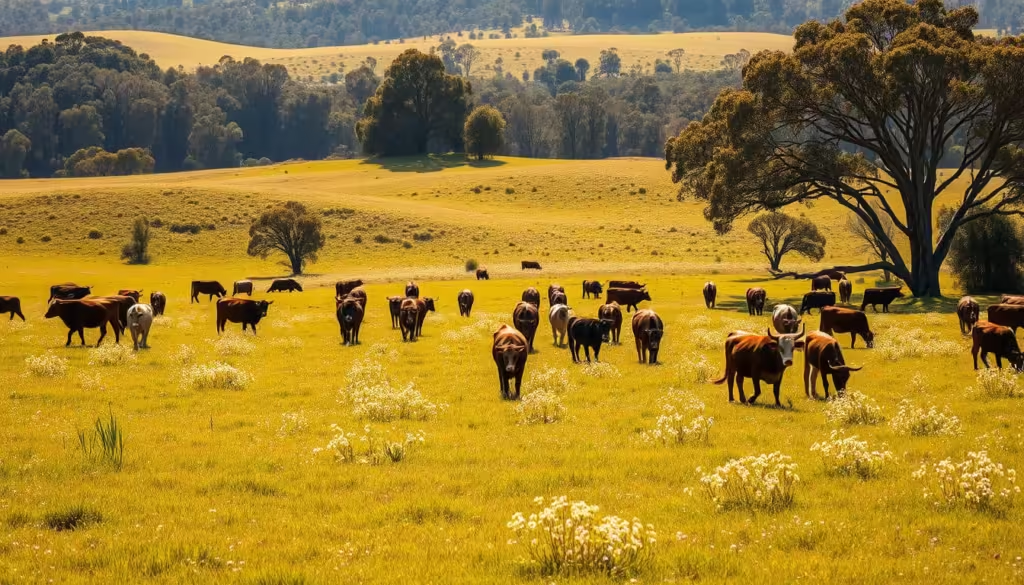
Practical paddock changes can cut sediment into reef catchments while improving livestock condition.
Why practice change matters:
Reef catchments, sediment and water quality
Poor grazing can expose soil and raise erosion, sending sediment into waterways and harming reef water quality.
Better groundcover keeps soil in place and helps protect markets that value verified environmental outcomes.
Project Pioneer and scaling better grazing
Project Pioneer has focused on scaling on‑ground grazing methods to lift water quality in Reef catchments.
Supported by philanthropic trusts and government reef funds, the program shows how targeted support speeds adoption and delivers measurable results.
Global indicators and verification
GRSB provides consistent indicators so the industry can verify sustainable beef performance for global buyers.
Credible verification helps producers access contracts that reward verified practice and quality outcomes.
Policy, investment and programs enabling best practice
More than $200 million has been directed to water‑quality programs that fund fencing, infrastructure and pasture work.
Simple on‑farm steps — rotational plans, resting country, and matching stocking to seasonal feed — lift carrying capacity and resilience.
- Mixed enterprises such as sheep and grazing systems benefit from clear pasture plans and targeted fencing.
- Aligning changes with processor and brand goals strengthens the case for long‑term supply arrangements.
Pathways to market: demand signals, networks and industry events

Turning clear demand into contracts needs data, specs and regular contact with buyers. Producers who use market signals can plan drafts, book transport and manage feed budgets more reliably.
Global demand and where to find market data
Strong global demand for red meat is spread across more than 100 destinations. myMLA is the practical starting point for prices, specs and competitor moves.
Use dashboard insights to time sales, check kill space and compare grid outcomes. That turns signal into action rather than guesswork.
Vertical integration and branded beef programs
Vertically integrated chains—such as Australian Country Choice—show how aligned breeding, feeding and processing deliver consistent brand specs.
Producers aiming for branded programs must meet grid requirements, carcase traits and animal health protocols across multiple years.
Build connections: events, sales and forums
Regional events shorten the learning curve. Cattle Connect, WagyuEdge, MLA BeefUp forums and breed sales at CQLX Gracemere bring buyers and technical specialists together.
Attend a few key events each year, review data dashboards beforehand and follow up with buyers after the show. Consistent contact converts interest into offers.
- Practical steps: check myMLA, match specs, test consignments with a buyer, and document results.
- Pathways: direct to processor, feedlot induction for brand programs, or live export where suitable—each needs different paperwork and animal prep.
| Area | What to use | Practical benefit |
|---|---|---|
| Market data | myMLA dashboards | Better timing and price planning |
| Branded supply | Aligned breeding & feed | Consistent carcase specs, fewer discounts |
| Networks | Events & regional forums | Faster buyer access and feedback |
Conclusion
A clear, staged plan — from NLIS tags to myMSA feedback — turns production into reliable market supply.
Export success starts on‑farm: sound grazing, accurate records and animals that meet grids build buyer confidence.
The industry’s bodies and digital services give producers practical tools to manage compliance, lift eating quality and prove results over time.
Sustainability matters: better practices protect soil and water and strengthen long‑term market access.
Start with NLIS, LPA, eNVD and myMSA workflows, test a consignment, then lock in specifications with processors or brand managers.
With disciplined preparation, steady feedback and solid relationships, producers can scale into higher‑value beef channels without overextending.