
Starting a cattle farming journey in Australia can seem tough, for those new to the industry. But, with a good business plan and the right land, beginners can do well.
Experts from the Swagx Vet Clinic say a detailed business plan is key for a profitable cattle farm. You need to know the local market and how the beef tariff affects your business.
As a beginner, knowing your stuff is vital. You must be ready for the challenges of cattle farming. By understanding the industry’s key factors, you can make smart choices and grow your business.
Key Takeaways
- Develop a detailed business plan to guide your cattle farming venture.
- Secure suitable land that meets your cattle and farming goals.
- Know the local market and the impact of the beef tariff on your business.
- Stay updated on industry trends and best practices.
- Seek expert advice to tackle cattle farming challenges.
Understanding the Australian Cattle Industry
Getting to know the Australian cattle industry is key for those starting or growing their cattle farms. It’s a big part of the country’s economy, with beef playing a big role in both local and global markets.
The Economic Importance of Cattle in Australia
The cattle industry is a big economic force in Australia. Beef trade agreements are vital for its exports. Deals with countries like China and Japan have really helped the industry grow.
Different Types of Cattle Operations
Australia’s cattle farms vary a lot, from big beef farms to small dairy ones. What kind of farm you have depends on things like the weather, land quality, and what people want to buy. Knowing these differences is important for anyone new to the industry.
Regional Differences in Australian Cattle Farming
Cattle farming in Australia changes a lot from one place to another. The north is known for big beef farms, while the south might have more dairy or smaller beef farms. Each area has its own challenges and chances.
| Region | Primary Cattle Operation | Key Challenges |
|---|---|---|
| Northern Australia | Large-scale beef production | Managing seasonal variability, import duty on beef in some markets |
| Southern Australia | Dairy and smaller-scale beef | Climate change impacts, cattle tariff regulations |
Cattle Farming for Beginners in Australia: The Basics
Starting a cattle farm in Australia needs a good grasp of the basics. Beginners should know the key knowledge before starting this journey.
Essential Knowledge Before Starting
Before starting, it’s important to understand the Australian cattle industry. You need to know about beef import taxes and beef industry tariffs. These can affect your farm’s profits. Reading industry reports and trends can give you useful insights.
Capital Requirements and Initial Investment
Cattle farming needs a big investment. Important costs include:
- Land purchase or lease
- Cattle procurement
- Fencing and water infrastructure
- Equipment and machinery
Knowing these costs is key to making a realistic budget.
Time Commitment and Lifestyle Considerations
Cattle farming takes a lot of time, often requiring long hours every day. Think about how this change will affect you and your family.
Experts, like those at Swagx Vet Clinic, say start small and get advice. Understanding the basics and being ready can help you succeed in this rewarding field.
Legal Requirements and Regulations
Following the rules is key to successful cattle farming in Australia. The country’s cattle industry has laws to protect animal and human health. These laws make sure everyone involved is safe and treated well.
Property Identification Codes (PIC)
Every cattle farm in Australia has a special Property Identification Code (PIC). This code helps track where animals go. Farmers must make sure their property has a valid PIC.
National Livestock Identification System (NLIS)
The NLIS is Australia’s way to track livestock. It uses electronic tags to follow cattle from start to finish. Farmers must follow NLIS rules, including using the right tags.
Biosecurity Requirements
Biosecurity is very important in Australian cattle farming. Farmers must follow strict rules to stop diseases from spreading. This includes controlling animal movements and keeping facilities clean.
Animal Welfare Compliance
Cattle farmers in Australia must follow the Australian Animal Welfare Standards and Guidelines. These rules tell farmers how to care for cattle. Following these standards is not just the law; it also builds trust with consumers.
It’s essential for cattle farming success in Australia to know and follow the rules. Farmers need to keep up with any changes in these laws. This helps them avoid fines and keeps their reputation strong.
Choosing the Right Land for Your Cattle Operation
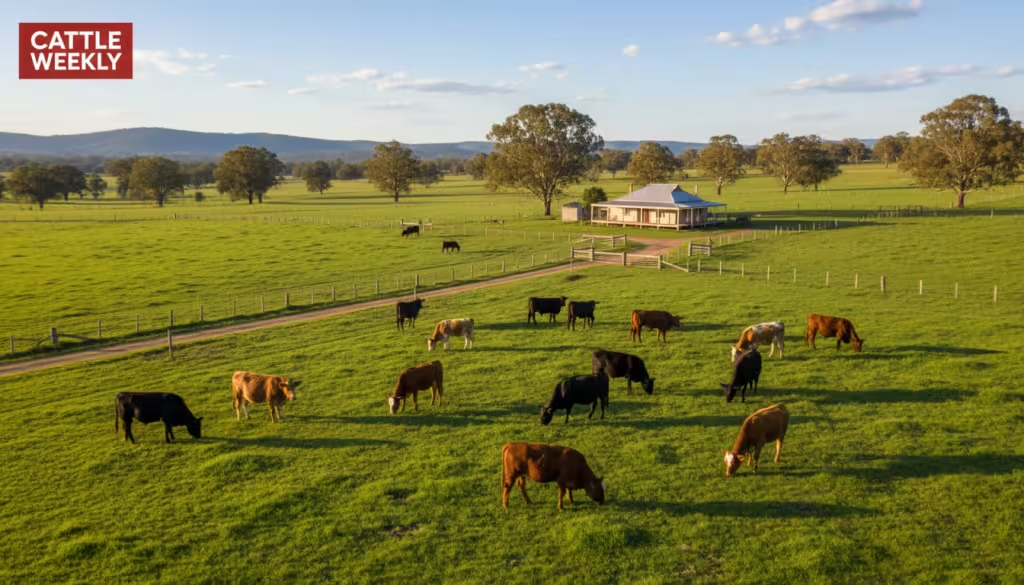
Finding the perfect land for cattle farming is key to success. The right land gives your cattle what they need to grow well. It also helps your farm last a long time.
Acreage Requirements for Different Herd Sizes
The land needed for cattle farming changes with herd size and grazing style. More land is needed for extensive grazing. But, intensive systems can handle bigger herds on less land.
- For small herds (less than 50 head), 100-200 acres may be enough, depending on pasture quality.
- Medium-sized herds (50-200 head) might need 500-1000 acres or more.
- Large herds (over 200 head) could require 2000 acres or more.
Water Access and Quality Considerations
Having enough water is vital for cattle farming. The quality and ease of access to water greatly affects your herd’s health and work.
Key considerations include:
- Being close to natural water sources like rivers or dams.
- The water’s quality, including how salty it is and if it’s clean.
- Having the right setup for storing and moving water around.
Soil Quality and Pasture Potentials
The soil and pasture quality of your land affect how much it can hold and the nutrients it offers to your cattle.
Assess your land by considering:
- The type of soil and how fertile it is.
- The types of pasture and their nutritional value.
- How to improve the pasture through fertilizers or replanting.
Climate and Weather Pattern Assessment
Knowing your local climate and weather is important for managing risks and improving your cattle operation.
Key climate factors to assess include:
- Average rainfall and how it’s spread out over the seasons.
- Temperature extremes and how they affect your cattle’s comfort and work.
- The risk of extreme weather like droughts or floods.
By carefully looking at these factors, you can choose the best land for your cattle operation. This sets your business up for success in the Australian cattle industry.
Selecting Cattle Breeds for Australian Conditions
Choosing the right cattle breed is key for your farm’s success in Australia. The country’s varied climate and geography mean you must pick breeds that can do well here.
Popular Beef Cattle Breeds in Australia
In Australia, breeds like Angus are popular for their quality beef and toughness. Hereford and Charolais are also favourites for their growth rates and adaptability. The breed you choose might depend on market demand and beef tariff policies.
Dairy Cattle Options
For dairy farming, Holstein and Jersey are top choices in Australia. They’re known for their high milk production. The right dairy breed depends on the climate, feed, and market needs.
Climate Adaptability Considerations
Australia’s climate varies a lot. So, you need cattle breeds that can handle different conditions. Angus is a favourite for its toughness in Australian weather.
Breed Selection for Beginners
For new farmers, picking a breed that’s easy to manage and disease-resistant is smart. Angus is a good choice for beginners. Consider feed needs, handling, and local market demand too.
Essential Infrastructure for Cattle Farming
Good infrastructure is key for a successful cattle farm in Australia. It’s important for the cattle’s health, the farm’s productivity, and the business’s profit.
Fencing Requirements and Options
Fencing is vital for cattle farming. It keeps cattle safe and protects the farm from predators and other animals. The fencing needed depends on the land, weather, and cattle type. For example, high-quality fencing materials are a must in harsh weather areas.
Water Infrastructure
A steady water supply is essential for cattle farming. This includes the water source and how to get it to the farm. Troughs, pipes, and pumps are key, and they must last in Australia’s climate. Keeping them in good shape is important to save water and ensure clean drinking water for cattle.
Cattle Yards and Handling Facilities
Cattle yards and handling areas are needed for managing cattle well. They help with tasks like vaccinations and identifying cattle. Good design can make things easier for both the cattle and the farmer, boosting efficiency.
Shelter and Shade Considerations
Enough shelter and shade are critical for cattle, given Australia’s tough climate. Trees, shade structures, or windbreaks can shield cattle from bad weather. This helps keep them healthy and productive.
Equipment Needs for Small-Scale Cattle Operations
For small-scale cattle operations, knowing the right equipment is key. It helps in managing the farm well. Starting small and picking the right gear is important for beginners.
Essential Tools and Equipment
Small-scale cattle farmers need various tools and equipment. These are:
- Fencing materials to keep the property safe
- Watering systems for the cattle’s water needs
- Handling facilities for safe cattle management
- Basic veterinary equipment for health checks
Machinery Considerations
Machinery is a big investment for cattle operations. For small farms, it’s important to weigh the cost against the need. Considerations include:
| Machinery Type | Initial Cost | Maintenance Cost |
|---|---|---|
| Tractor | $30,000 | $1,000/year |
| Fencing Equipment | $5,000 | $200/year |
New vs. Used Equipment Decisions
Farmers must choose between new and used equipment. New gear has warranties and the latest tech. But, used equipment can save money.
A seasoned farmer says, “Used equipment can be a smart start. But, check it well to avoid expensive fixes later.”
“The key to successful cattle farming is not just about the cattle; it’s also about the equipment you use to manage them.”
Knowing about import duty on beef and other costs is also important. It affects the farm’s budget for equipment.
Purchasing Your First Cattle
Getting your first cattle is a big step for new farmers. It’s important to choose the right ones for your farm’s success. Think about the breed and health of the cattle when you decide.
Where to Buy: Saleyards, Private Sales, and Online Options
You can buy cattle at saleyards, through private sales, or online. Saleyards have a wide range of cattle, perfect for beginners. Private sales let you find specific cattle. Online options are convenient, letting you shop from home.
It’s key to know about cattle tariff regulations, which apply when buying from other places.
What to Look for When Selecting Animals
When picking cattle, think about the breed and your farm’s needs. Check if the cattle are healthy and have a good history. Look for any signs of illness or stress.
Transport Considerations
Transporting cattle needs careful planning to keep them safe. Think about the distance, road conditions, and rest stops. Make sure you follow animal welfare rules during transport.
Quarantine Procedures for New Animals
Keep new cattle in quarantine to protect your herd. This lets you check their health and treat any issues. Quarantine is essential for keeping your farm healthy.
Pasture Management for Australian Conditions
Effective pasture management is key for Australian cattle farming success. It involves both forage and supplements, as the Swagx Vet Clinic notes. Strategies must fit Australian climate, soil, and seasons.
Native vs. Improved Pastures
Australian farmers debate native versus improved pastures. Native pastures need less care but yield less. Improved pastures offer more food but need more work. The choice depends on soil, climate, and cattle needs.
Seasonal Considerations
Seasons greatly affect pasture management. Droughts mean fewer animals or extra feed. Rainy times bring lush pastures that need careful grazing. Knowing these changes is key to healthy pastures.
Rotational Grazing Strategies
Rotational grazing keeps pastures healthy. Moving cattle between paddocks prevents overgrazing. It also helps soil and fights parasites.
Drought Management Planning
Droughts are a big challenge in Australian farming. Good planning includes extra feed, fewer animals, and saving water. Farmers must also think about pasture health after the drought ends.
| Pasture Type | Characteristics | Management Considerations |
|---|---|---|
| Native Pastures | Well-adapted to local conditions, lower maintenance | Monitor for overgrazing, maintain soil health |
| Improved Pastures | Higher yields, better nutritional value | Regular fertilization, manage waterlogging |
In conclusion, good pasture management is vital for Australian cattle farming. Understanding pasture types, seasonal changes, rotational grazing, and drought planning helps. These efforts can also be influenced by beef industry tariffs, affecting markets and farm profits.
Feeding and Nutrition Basics
Knowing what cattle need to eat is key for any cattle farm. Good nutrition keeps them healthy and boosts their growth and productivity.
Experts like those at Swagx Vet Clinic say a balanced diet is vital. It gives cattle the nutrients they need to do well.
Understanding Cattle Nutritional Needs
Cattle need a mix of proteins, carbs, vitamins, and minerals. Their needs change based on their age, breed, and purpose (beef or dairy).
- Proteins: Essential for growth and repair.
- Carbohydrates: Provide energy.
- Vitamins and Minerals: Crucial for various bodily functions.
Supplementary Feeding Options
Supplementary feeding is sometimes needed. This is when pasture quality or quantity is low. Options include hay, silage, and grain supplements.
Water Requirements
Cattle always need clean, fresh water. The amount they need depends on their size, the temperature, and how active they are.
Feed Storage and Management
Storing and managing feed properly is important. It keeps the feed quality high and prevents waste. This includes using the right storage and handling methods.
By paying attention to these nutrition aspects, farmers can make their cattle healthier and more productive. This helps their farm succeed.
Animal Health and Veterinary Care
Animal health and veterinary care are key parts of cattle farming. They need careful planning and execution. Keeping cattle healthy is important for their welfare and the farm’s success.
Vaccinations and Treatments
Vaccinations and treatments are vital for cattle health. Swagx Vet Clinic says managing health with vet care is essential. Vaccines against diseases like clostridial infections and bovine viral diarrhea (BVD) are critical.
Common Health Issues
Cattle in Australia face health issues like parasites, respiratory diseases, and reproductive problems. Knowing these challenges helps in managing them effectively.
Finding a Veterinarian
Finding a good large animal vet is essential. A skilled vet offers advice, diagnoses issues early, and treats them.
Health Management Plan
A health management plan assesses the farm’s needs and implements preventive measures. It should be tailored to the farm and the cattle types.
By focusing on animal health and vet care, cattle farmers can boost their farm’s productivity and sustainability. Good health management benefits both the animals and the farm’s success.
Managing Extreme Weather Conditions
It’s vital for cattle farming in Australia to manage extreme weather. Droughts, floods, and bushfires can harm livestock and buildings.
Drought Preparedness and Response
Being ready for drought is key for farmers. They should sell cattle early, save water, and use rotational grazing. It’s also smart to grow drought-resistant pasture species and have a contingency plan for dry times.
Flood Management Strategies
Farmers need robust infrastructure like strong fences and yards that can handle floods. They should also plan to move cattle to safer areas if needed.
Bushfire Safety and Prevention
Keeping properties safe from bushfires is important. Farmers should create firebreaks and have a plan for fires. They should watch the weather and be ready to move animals if a fire comes.
Heat Stress Mitigation
Reducing heat stress in cattle is critical. Farmers should provide shade and water. They can also feed cattle when it’s cooler and watch for signs of heat stress.
It’s vital for cattle farming to prepare for extreme weather. Policies like beef tariffs can also affect how farmers handle these challenges.
Breeding and Reproduction Management
Effective breeding management is key for cattle farming success in Australia. It includes several important parts that farmers need to think about. This helps them make their breeding programs better.
Breeding Seasons in Different Australian Regions
Breeding seasons change a lot across Australia because of the weather. In the north, breeding happens all year. But in the south, it’s more set in seasons. Knowing these differences is important for planning good breeding strategies.
Bull Selection and Management
Choosing the right bulls is very important for a good breeding program. You should look at their breed, fertility, and genetics. Proper bull management, like health checks and the right food, is also key.
Calving Management
Calving management is also very important. It includes watching pregnant cows, making sure they eat well, and being ready for any problems during calving. This helps lower calf death rates and keeps the herd healthy.
Record Keeping for Breeding Programs
Keeping accurate records is vital for breeding program success. You need to track breeding dates, calving results, and bull performance. These records help make better decisions and improve future breeding plans.
| Region | Breeding Season | Key Considerations |
|---|---|---|
| Northern Australia | Year-round | Heat stress management, parasite control |
| Southern Australia | Seasonal | Pasture management, nutritional planning |
By focusing on these breeding and reproduction management areas, cattle farmers can boost their farm’s productivity and profits. This helps the Australian cattle industry grow, influenced by things like beef trade agreements.
Marketing and Selling Your Cattle
Marketing and selling cattle well means knowing the Australian beef market inside out. Farmers need to understand many factors that shape the market to get the best prices.
Understanding the Beef Market in Australia
The Australian beef market is shaped by several things. These include how much beef is sold at home, export chances, and global trends. A recent report said, “The Australian beef industry is big in the world market. A lot of its beef goes to places like Japan, China, and the US.” Knowing these things helps farmers make smart choices about their cattle.
Import duty on beef can really change the market. For example, if import duties go up, Australian beef might not be as competitive abroad. Farmers should keep up with these changes to adjust their plans.
Direct Marketing vs. Traditional Sales Channels
Farmers can sell their cattle through traditional places like saleyards or directly to buyers. Selling directly can mean more money because there are no middlemen. But, it means farmers have to build and keep relationships with buyers.
Pricing Strategies
Setting the right prices is very important for farmers. Prices can change because of the quality of the cattle, demand, and the season. Farmers should keep an eye on market trends to price their cattle right.
Building Relationships with Buyers
Having good relationships with buyers is essential for selling cattle. This means knowing what they want, providing top-quality cattle, and delivering on time. An experienced farmer said, “Building trust with buyers can lead to more business and a steady market for your cattle.”
To do well in marketing and sales, farmers need to understand the market, pick the best sales channels, set smart prices, and build strong relationships with buyers.
Financial Management and Government Support
Effective financial management is key for any cattle farm in Australia. It covers several important areas that farmers must grasp and apply.
Record Keeping Systems
Keeping accurate financial records is vital. This includes income statements, balance sheets, and cash flow statements. Farmers can choose between software or manual systems, based on their farm’s size and complexity.
Understanding Costs and Revenue
Farmers need to know their costs and income well. Costs include feed, labor, and equipment. Income comes from cattle sales and government subsidies.
| Cost/Revenue Item | Annual Estimate | Percentage of Total |
|---|---|---|
| Feed Costs | $100,000 | 40% |
| Labor Costs | $50,000 | 20% |
| Cattle Sales | $200,000 | 80% |
| Government Subsidies | $20,000 | 8% |
Tax Considerations for Australian Farmers
Australian cattle farmers must follow tax rules, like income tax and GST. Knowing these rules and getting professional advice can help reduce taxes.
Grants and Support Programs
The Australian government has grants and support for cattle farmers. This includes help with cattle tariff regulations and during droughts. Farmers should keep up with these programs and their rules.
Industry Connections and Resources
Australian cattle farmers can really benefit from different industry connections and resources. These connections offer support and insights into the latest trends and best practices.
Key Industry Associations
Several key industry associations are important for Australian cattle farmers. These include:
- Meat & Livestock Australia (MLA)
- Australian Lot Feeders’ Association (ALFA)
- Cattle Council of Australia
These groups give resources on market trends, production practices, and advocacy. They also provide info on beef industry tariffs.
Networking Opportunities
Networking is key in the cattle industry. Farmers can meet at local events, conferences, and online forums. Building relationships with other farmers, suppliers, and industry experts opens up new opportunities and knowledge sharing.
Continuing Education and Training
Staying updated on farming techniques and industry rules, like beef industry tariffs, is vital. Many institutions offer courses and workshops for cattle farmers.
Mentorship Programs for New Farmers
Mentorship programs are very helpful for new farmers. Experienced mentors offer advice on best practices, business management, and overcoming challenges.
| Resource | Description | Benefit |
|---|---|---|
| Meat & Livestock Australia (MLA) | Provides market information and research | Helps farmers make informed decisions |
| Cattle Council of Australia | Advocacy and industry representation | Supports farmers’ interests at a national level |
Conclusion: Your Path to Successful Cattle Farming in Australia
Starting a cattle farm in Australia needs careful planning and a lot of effort. Beginners must understand the Australian cattle industry well. This includes knowing about the beef tariff.
Beginners should start small and seek advice from experts. Good management is also key. The Swagx Vet Clinic says these are essential for a successful farm.
As you start, keep up with market trends and government policies. This knowledge helps you face challenges and find opportunities in the Australian cattle market.
Cattle farming in Australia is tough but rewarding. With hard work, the right advice, and a love for learning, you can make a profitable farm.