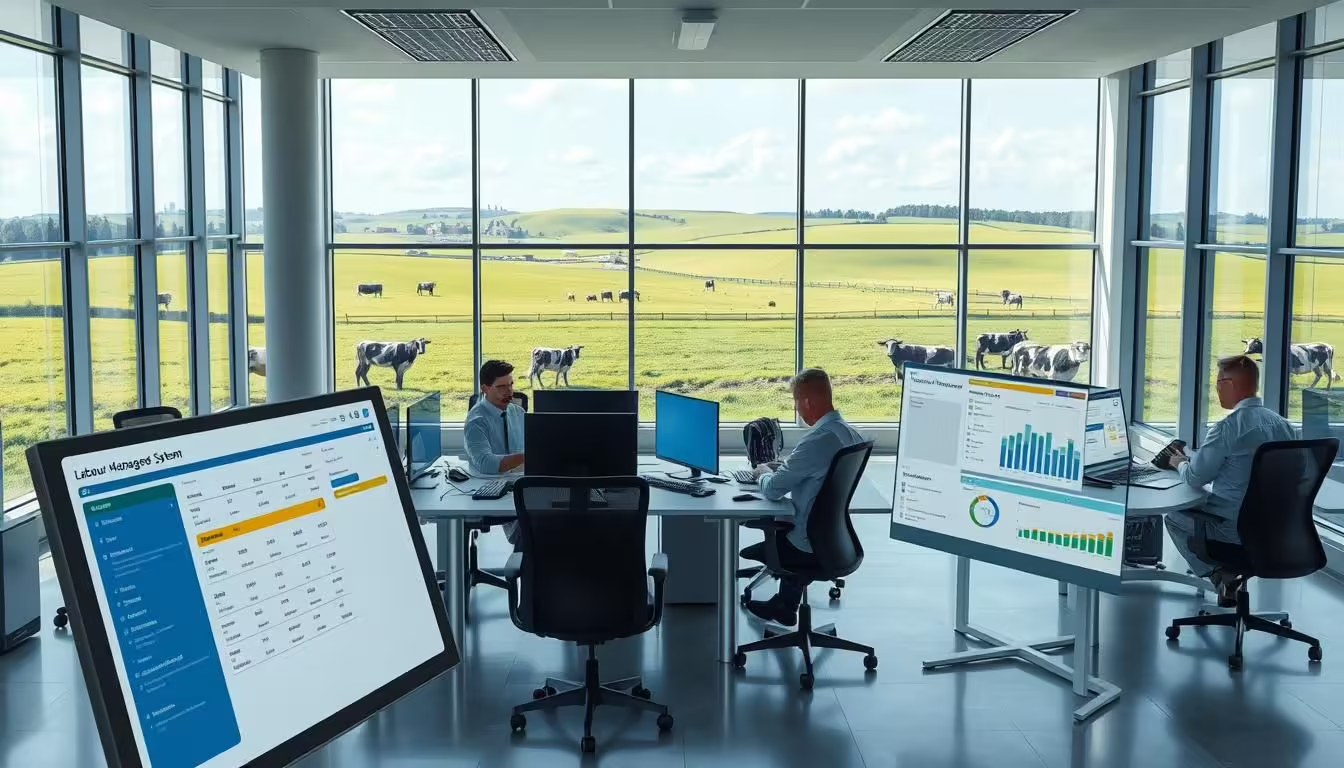

This buyer’s guide gives operators and investors a plain‑English path to stronger margins and steadier cash flow over the next year.
The current market backdrop favours producers: a tight milk pool has pushed farmgate prices higher, and many farms report better returns. Queensland regions such as the Scenic Rim, Mary Valley and Darling Downs benefit from reliable pasture systems and ready access to processors.
Practical checks cover water security, soils, compliant infrastructure and proximity to processing. The guide also shows how beef and grain markets affect feed costs and cull income, and gives simple tools for benchmarking milk prices, production scenarios and property values.
Clear, actionable steps focus on controlling feed, labour and energy costs so the farm can lift production without blowing out expenses.
Key Takeaways
- Market conditions are supportive now, with tighter supply lifting farmgate prices.
- Location matters — proximity to processors lowers freight and quality risk.
- Good buys have water security, productive soils and compliant dairy farm infrastructure.
- Beef and grain markets influence your cost base and cull cow value.
- Use benchmarking and stress tests to assess returns before committing.
- Discipline on feed, labour and energy costs preserves margins over the year.
Why Queensland dairy now: market conditions, demand and investment opportunities
Recent months have tightened supply while demand has stayed firm, changing the commercial landscape for buyers and operators.
This guide targets investors, family operators scaling up and corporate buyers who want properties with reliable access to processors, service networks and practical on‑farm systems.
Data from Dairy Australia and industry overviews show historically high farmgate prices as processors compete for a smaller milk pool. That competition is strongest where southeast processing options shorten haul distances and lower marketing risk.
The market has shifted over the past months: fewer cows nationally and a tighter pool keep processor bids intense. For buyers, that means greater emphasis on due diligence — water security, infrastructure condition and contract terms now carry extra weight.
Investment opportunities are strongest in established regions such as the Scenic Rim and Mary Valley, where rainfall, feed supply and processor proximity reduce operational volatility and help new owners reach returns in year one.
Commercial intent: who this Buyer’s Guide is for
- Investors seeking regional holdings with multiple processor options.
- Family operators looking to scale with readable supply chains.
- Corporates evaluating properties with practical systems and service access.
What’s changed in the past months across the Australian dairy industry
Supply‑side tightness and near‑full processor capacity have kept farmgate prices firm. Domestic retail and food‑service channels have been resilient, supporting stable demand for milk and processed goods.
That backdrop means buyers must be selective and data‑driven to capture value while the outlook for australian dairy remains positive despite higher input costs earlier in the cycle.
Present market snapshot: milk prices, processor competition and a tight milk pool
Improved farmgate offers reflect a smaller milk pool and processors chasing consistent, high‑quality supply.
Milk prices remain firm as constrained supply meets aggressive bids from processors. Dairy Australia data shows 86 per cent of businesses expect to be profitable, supported by national milk production tracking 8.0–8.2 billion litres in 2022–23 after weather disruptions.
Processors have shifted focus to the domestic market, tightening exportable volumes and lifting demand for local supply chains. That domestic tilt helps stabilise prices even when export demand is uneven.
Demand dynamics and practical implications
Food‑service recovery is supporting cream and cheese channels, while processors pay quality premiums for steady deliveries. For a dairy farm near multiple plants, this strengthens negotiating leverage on prices and service terms.
“A disciplined supply plan in a tight market wins price premiums and reduces contract risk.”
- Plan milk production to match pasture and feed availability.
- Signal supply consistency early in contract talks.
- Check per cent‑based clauses for fat/protein tolerance bands.
Beef and grain influences on dairy profitability
Lower grain inputs and firmer beef markets are reshaping on‑farm budgets this season. Grain prices have eased by about $30–$40/tonne, which improves feedlot margins and reduces ration costs for supplementing lactating cows.
Grain prices, feed costs and feeding margins
Lower grain means an opportunity to lock forward buys and top up on on‑farm storage. Budget feed costs to realistic daily intakes — small errors compound fast across a herd.
Restocker sentiment and livestock values
Saleyard data (20/08/2025) shows firm demand: heavy steer 386 c/kg lw, processor cow 347 c/kg lw, feeder steer 426 c/kg lw, restocker 479 c/kg lw. Restocker activity depends on southern spring prospects; a good season lifts demand and values.
Processor capacity and end‑of‑year signals
Processors are near full capacity nationally. That supports stronger cow values but tight kill slots mean producers must plan culls early to avoid forced sales.
- Action: Track weekly prices, consider grain storage and align cull timing to market signals.
- Note: Match supplementation to pasture needs — don’t over‑feed energy when fibre is limiting milk.
Profit from dairy cattle in Queensland
Where pasture, water and plant access align, farms can convert steady feed into reliable cashflow.
Core levers that move performance are straightforward: get the best possible prices, lift sustainable production per cow and hectare, keep costs tight, and secure dependable market access.
Core levers: price, production, costs, and market access
- Price: negotiate premiums tied to milk components and delivery consistency.
- Production: focus on pasture utilisation and conservative supplementation to raise yield without oversized input bills.
- Costs: streamline labour, energy and feed systems; simple, reliable setups beat complex ones for ROI.
- Market access: proximity to multiple processors reduces logistics risk and strengthens bargaining power.
Target regions and property types with strong potential
Look to established clusters — Scenic Rim, Mary Valley and Darling Downs — where rainfall, soils and processor capacity support efficient operations.
Property selection should privilege good soils, drainage, secure water licences and proven pasture growth. Properties with room for feed pads, effluent upgrades and extra irrigation give the best medium‑term potential.
Opportunities also exist for bolt‑on blocks for young stock and fodder to dampen purchased feed exposure. Build capacity steadily: add cows only when feed and labour systems can handle them without blowing costs.
Choosing the right property: land, water security and climate conditions
A good purchase starts at paddock level: soil, slope and access tell you more than glossy photos. Begin with a walkover to check fertility, drainage and machinery access. These basics determine whether a block will handle intensive grazing and heavy gear.
Soil, drainage and pasture growth potential by regions
Soil tests reveal nutrient needs and rooting depth. Look for free‑draining soils and even slopes that minimise waterlogging and allow machinery to move safely.
Pasture growth differs by regions; use local pasture trials and agronomy advice to set realistic yield expectations.
Water licences, irrigation systems and drought resilience
Confirm licences, allocations and scheme rules. Map bores, dams and storage — redundancy matters when supply tightens.
Mary Valley properties often show multiple licences and mixed irrigation systems, which support seasonal resilience and reduce feed risk.
Weather risks, seasonal conditions and pasture strategies
Assess frost pockets, heat load and flood exposure by paddock. Use deep‑rooted species and conserved fodder to lift drought resilience.
Action: stress test pumps and reticulation for peak summer demand and check wash‑down and cooling water supply to the dairy farm; failures here are costly.
- Start with soil and drainage checks before finance.
- Validate water delivery and renewal terms.
- Inspect laneways, troughs and paddock sizes for grazing efficiency.
Dairy infrastructure and management systems that lift production
Practical upgrades to parlours and feed handling deliver more consistent production for the same herd. Small changes to layout and serviceability often save time each milking and cut ongoing costs.
Milking parlour capacity, technology and compliance
Size the parlour to current and planned herd to keep cow flow smooth. Modern parlours with auto cup removers and ID systems reduce labour and improve milk quality.
Keep a documented management system for hygiene, cooling and QA so processors can trace your compliance history.
Feed storage, feed pads and on‑farm grain handling
Invest in feed pads, silage bunkers and on‑farm grain handling to lower wastage and smooth prices across seasons.
Better handling lets operators buy opportunistically and blend rations, trimming costs and stabilising production.
Effluent, waste and environmental management
Effluent systems must meet rules; poor systems risk fines and damage property value. Good waste management also keeps neighbours and processors satisfied.
Serviceability matters: power, hot water, vat cooling and backup generation protect milk quality and uptime.
| Element | Capacity focus | Key benefit | Cost impact |
|---|---|---|---|
| Parlour tech | Milks/hour | Lower labour, better quality | Medium — high initial, faster ROI |
| Feed storage | Tonnes stored | Less waste, stable prices | Medium — reduces annual costs |
| Effluent system | Volume & compliance | Protects property value | Low — high depending on upgrade |
Herd, genetics and animal health: building productive capacity
Strong genetics and consistent animal health create the foundation for predictable litres and component returns.
Genetic programs and herd improvement pathways
Buy herds with records: components, litres, cell counts, fertility and longevity speed up production gains. Evaluate genetic quality, documented performance and improvement potential before purchase.
Nutrition and seasonal ration shifts
Balance pasture‑feeding with targeted grain during low growth windows. Keep rumen health first — acidosis or condition loss erodes cheap litres fast.
Biosecurity, vaccination and disease mitigation
Lock down introductions: quarantine, visitor controls and clear vaccination schedules cut preventable losses. Keep compliance logs to meet processor and industry expectations.
- Set herd improvement plans: AI sires, genomic testing and cull rules that match your payment system.
- Monitor heifer growth to hit first‑lactation targets and lift lifetime growth.
- Provide shade, water and cooling to manage Queensland conditions and heat stress.
- Work with a vet and nutritionist for joined‑up herd and ration decisions.
Outcome: sound herd fundamentals de‑risk expansion and compound growth in litres and components across seasons.
Labour, skills and day‑to‑day management
Skilled people, clear roles and a simple routine keep systems running through peaks and holidays.
Design a management system that sets standards, simplifies daily tasks and spreads responsibility so the farm does not rely on one key person.
Sourcing skilled staff and creating efficient routines
Labour availability varies across regional areas. In this state competition for trained staff is real, so include accommodation, rosters and clear rates when recruiting.
Efficient cow flow, well‑documented SOPs and simple tech cut hours per milking and lower ongoing costs.
Training, safety and retention for regional teams
Cross‑train teams on milking, calf care, feeding and plant hygiene to grow capacity and cover peaks through the year.
Practical induction and safety systems reduce lost‑time incidents and lower overall costs. Link pay and bonuses to clear KPIs like cell counts and calf survival to keep staff engaged.
- Use whiteboards and phone apps for daily tasks.
- Benchmark litres per labour hour before adding staff.
- Offer tickets and certificates as career steps to improve retention.
| Area | Focus | Benefit |
|---|---|---|
| Rostering | Predictable shifts | Lower fatigue, better retention |
| Training | Inductions & cross‑training | Greater capacity, fewer gaps |
| Safety | Clear SOPs & toolbox talks | Fewer injuries, lower lost time |
Milk prices, processors and contracts: securing reliable returns
Choosing the best processor is as much about service and logistics as headline rates. Compare offers across the full year, not just the top line, and factor in quality premiums and cartage.
Comparing processors, quality premiums and logistics to plant
Look beyond base rate: include component premiums, cell count bonuses, freight credits and sample‑pickup frequency.
Proximity to a plant helps keep milk cool on hot days and cuts cartage. That often lifts the prices paid for consistent loads.
Contract structures, price stability and supply flexibility
Contracts range from fixed to index‑linked or hybrid. Pick stability if cash flow certainty matters. Build in supply tolerance bands and step‑up clauses that reflect your seasonal profile.
- Model step‑ups and penalties across a full year.
- Negotiate payment terms and field support as part of the deal.
- Revisit contracts annually as the market and your system change.
| Feature | What to check | Why it matters |
|---|---|---|
| Headline price | Base cents/L plus component pay | Shows immediate income potential |
| Quality premiums | Fat/protein and cell count bonuses | Rewards consistent QA and lifts net returns |
| Logistics | Cartage, pickups, plant distance | Affects milk quality and working capital |
| Flexibility | Tolerance bands and penalty terms | Protects the farm in poor seasons |
Financial modelling: cash flow, property values and return scenarios
Small shifts in ration cost or milk price change a farm’s cash position faster than most buyers expect.
Start with an operational cash flow that links milk production to feed and energy costs. Build month-by-month flows so seasonal deficits are visible and manageable.
Operational cash flow drivers
Key drivers are litres, feed, energy and labour. Test three scenarios — conservative, base and optimistic — and include freight, QA charges and levies.
Include realistic herd valuation, cull timing and heifer rearing plans. Livestock values affect equity and lender covenants.
Valuation, development and sensitivity testing
Value a property using comparables, replacement costs and earning capacity. Align assumptions with lender expectations and stress-test ±10 per cent on prices and feed costs.
Debt and expansion planning
Structure debt to match cash cycles. Use split facilities for land, improvements and stock. Map staged expansion by stocking rate and feed-base growth.
| Model element | What to test | Outcome |
|---|---|---|
| Cash flow | Monthly litres, feed and energy | Identifies seasonal shortfalls |
| Valuation | Sales comparables & replacement cost | Realistic property values for lending |
| Sensitivity | ±10% milk price & feed cost | Shows returns and downside risk |
- Keep lender packs simple: three-year budgets and assumptions.
- Model ROI for upgrades: parlour, feed pads, irrigation.
- A disciplined model highlights deals that pencil and those to walk away from.
Risk management, regulation and sustainability
Good risk systems protect the farm, the product and future income streams. Practical checks on effluent, water quality and insurance reduce regulatory and operational surprise. Strong routines also support processor relationships and can unlock quality premiums.
Environmental compliance, nutrient management and water quality
Meet rules with simple, reliable systems. Robust effluent storage, buffer zones and documented nutrient budgets cut regulatory risk and nutrient loss to waterways.
Water quality plans protect the product reputation and plant access. Keep a schedule for testing and maintenance and record each result.
“Clear records and tested systems make approvals faster and keep buyers confident.”
- Install adequate effluent storage and match irrigation to soil tests.
- Document monitoring, maintenance and nutrient applications.
- Engage early with state regulators on upgrades to avoid delays.
Insurance, diversification and contingency planning
Insurance should cover livestock, plant and business interruption. Review sums insured each year and check policy exclusions.
Practical diversification spreads risk: fodder stores, measured beef turnoff and on‑farm energy reduce exposure to single revenue swings without distracting core operations.
- Build contingency fodder and water plans for extreme seasonal conditions.
- Draft emergency response plans for flood, fire and disease and practise them with the team.
- Keep tidy records — compliance, sustainability claims and audits rely on good paperwork.
Bottom line: the industry and sector remains positive on long‑term demand, but resilience comes from sensible systems that lower costs and regulatory risk.
Queensland case pathways: vertical integration and regional advantages
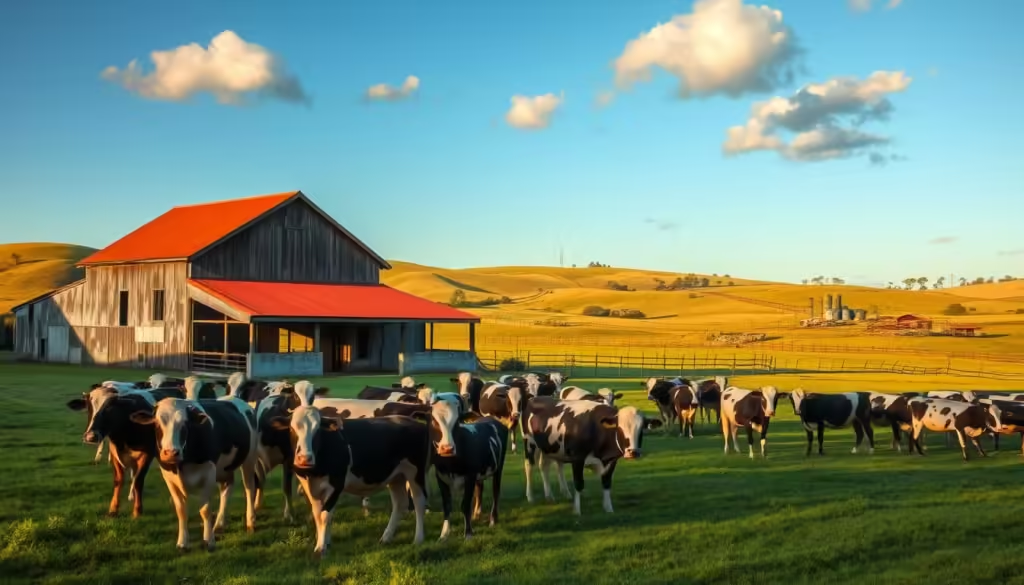
When a site combines reliable licences, good soils and close markets it can move beyond commodity supply.
Mary Valley example: water licences, irrigation and pasture growth
The Gilldora operation in Mary Valley shows how water and land stack up. Nine water licences total 572 ML and the property holds more than 1.5 km of river frontage.
High rainfall (900–1,000 mm p.a.), irrigated cultivation and improved pastures support steady growth. Multiple storages and irrigation systems lift operational capacity and drought tolerance.
Paddock‑to‑bottle models: processors, product and margins
Vertical integration at Gilldora includes a 40‑unit dairy, 7,500‑L vat and a purpose‑built bottling plant. The site supplies Cooloola Milk across 460+ outlets and runs a separate cheese/ice‑cream facility.
This model captures more margin when quality, brand and logistics are managed well. It also needs skills in processing compliance, QA and retail distribution — not just milking.
- Regions with water security and strong soils lift site values and resilience.
- Investment opportunities exist where plants can be upgraded to expand capacity.
- Secure labour and technical depth before adding processing to a dairy farm.
| Feature | Gilldora detail | Benefit |
|---|---|---|
| Water licences | 572 ML (9 licences) | Seasonal reliability, irrigation capacity |
| Processing | Bottling, homogeniser, pasteuriser, lab | Higher product value and market control |
| Market reach | 460+ retail outlets | Spread demand risk, stronger margins |
“Integration can lift margins, but only where water, pasture and market access stack up.”
Technology and innovation: growth, efficiency and data‑driven decisions
Practical innovation is shifting farm routines: reliable data is replacing guesswork at the feed pad and in the paddock.
Automation in milking and feeding to reduce labour and lift consistency
Automation helps stabilise milk flows and trims daily labour needs. Robotic or semi‑automated milking keeps cow traffic steady and improves milking times.
Feeding systems—from mixers to smart dispensers—cut wastage and match rations to animal needs. That lifts litres and component performance while lowering manual hours.
Herd monitoring, precision pasture management and sustainability metrics
Wearables and neck tags flag heat, rumination and illness early. Better detection lifts reproductive rates and reduces treatment costs.
Precision pasture tools use satellite and sensors to guide grazing and boost pasture growth. Farmers can move stock to make the best use of available grass.
Data dashboards tie milk meters, herd health and paddock returns together so managers make daily, evidence‑based moves.
Start practical: ensure connectivity and power are solid, choose tech that pays back quickly on labour and feed costs, and avoid gadgets that add complexity.
| Technology | Primary benefit | Typical payback | Impact on costs |
|---|---|---|---|
| Automated milking | Consistent milking, less labour | 2–5 years | Reduces labour; medium capital |
| Smart feeding dispensers | Lower wastage, better rationing | 1–3 years | Cuts feed waste; fast ROI |
| Herd monitoring | Early disease & fertility alerts | 1–2 years | Lower treatment costs; improves production |
| Pasture sensors & mapping | Better pasture growth use | 1–3 years | Optimises feed use; reduces bought feed |
“Technology should make work simpler and safer while lifting production and cow welfare.”
Verified sustainability data can also support premiums when export demand and retail buyers ask for proof. Practical, targeted tools deliver real returns for australian dairy operations.
Conclusion
For focused buyers and operators, timing and simple systems will decide whether an opportunity becomes a win or a liability.
Market conditions this year favour disciplined approaches: tight supply, firm prices paid and softer grain prices create room for gains if property fundamentals match planned milk production. Choose sites with water security, good pasture potential and compliant infrastructure to protect values and bankable returns.
Model per cent swings in price and feed costs, plan cull timing to capture beef prices, and use storage or contracts to manage grain price volatility. Keep systems simple, hold cash buffers and finish each season with milk in the vat and costs under control — that is where real opportunities show their end value.