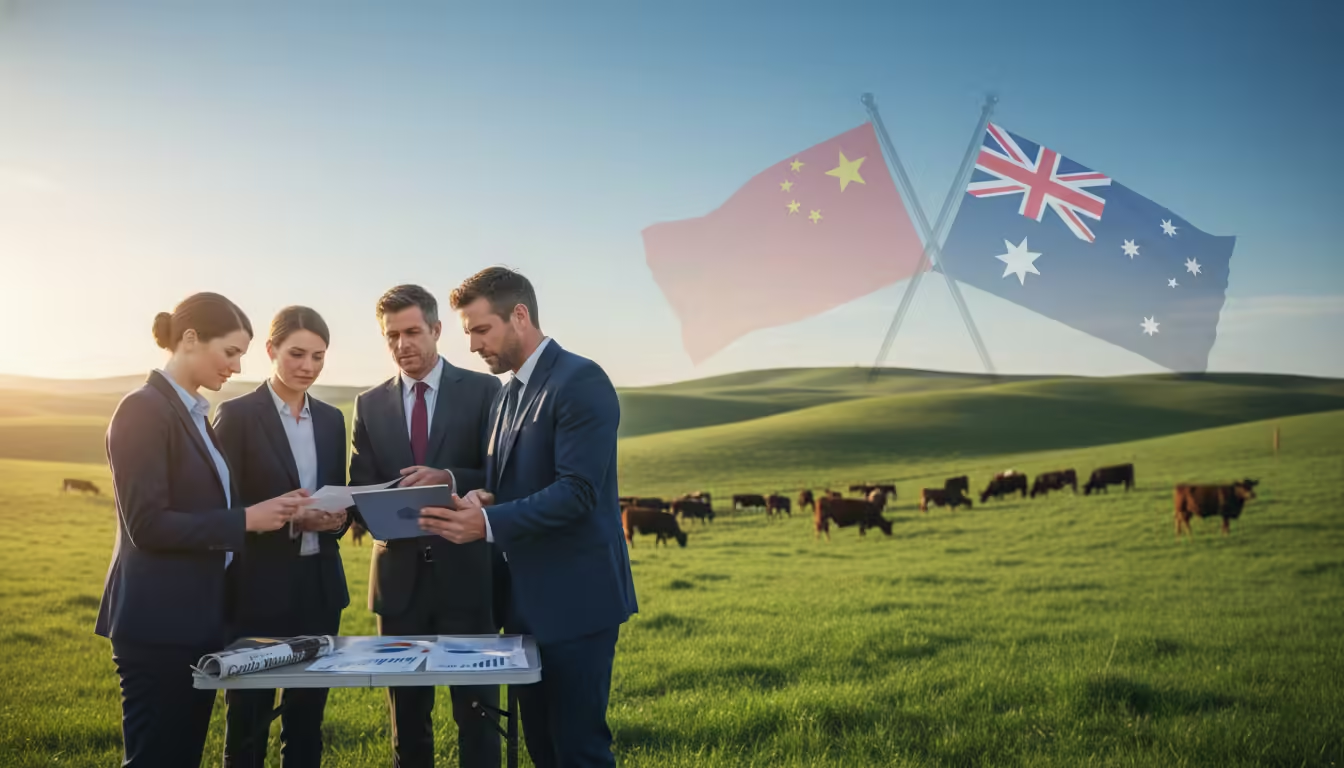

China’s commerce ministry has set a quota on beef exports. There’s a big tariff on anything over 205,000 tonnes. Australian farmers are worried about how this will affect their work.
A 55% tariff on exports over the quota is making the Australian beef industry nervous. They’re wondering if this change will bring new chances or problems for them.
This tariff could change a lot for Australian farmers. It might affect how they sell their beef and run their farms.
Key Takeaways
- Australia’s beef export industry faces a significant 55% tariff on exports exceeding 205,000 tonnes to China.
- The new regulations may lead to a shift in market dynamics, potentially affecting cattle prices.
- Australian farmers may need to adapt their export strategies in response to the tariff changes.
- The impact on local cattle producers could be substantial, depending on how the tariff is implemented.
- Farmers will need to stay informed about the developments to navigate the changing landscape effectively.
Breaking Down China’s 2026 Beef Tariff Announcement
China’s latest move on beef tariffs for 2026 is big news for Aussie farmers. The new rule sets a tariff rate of 55% for exports over 205,000 tonnes. This change starts on January 1, 2026.
Key Details of the Tariff Policy
The Chinese government has set up a tiered tariff system for beef imports. It’s vital for Australian cattle farmers to grasp this policy. This will help them deal with the shifting market.
Percentage Rates and Implementation Phases
The 55% tariff rate kicks in for beef exports over 205,000 tonnes. This move is part of China’s plan to control beef imports. It aims to protect its own beef industry.
Products Affected by the New Regulations
The new tariff policy hits different beef products, like frozen and chilled beef. Aussie exporters need to know which products are affected. This way, they can plan their strategies better.
Australian farmers and exporters must get these changes. They need to adjust their exports and follow the new rules. The impact on the cattle industry will depend on how well producers adapt.
Current State of Australia-China Beef Trade Relations
The relationship between Australia and China in the beef trade is complex. It’s shaped by beef trade agreements and what the market wants.
Australia’s beef exports to China are very important. In the first 11 months of 2025, over 295,000 tonnes were sent to China. This shows how vital this trade is.
Export Volumes and Value Statistics
Beef exports to China are growing fast. The value of these exports has also gone up a lot. This helps the Australian economy a lot.
Major Australian Beef Exporting States
Queensland and New South Wales lead in beef exports. They have strong cattle farming and the right infrastructure for exports.
Chinese Market Dependency Levels
The Australian beef industry relies a lot on China. Changes in cattle tariff regulations or beef import taxes can really affect profits and plans.
It’s key to understand the current state of Australia-China beef trade. This helps those in the cattle industry make better choices. They can plan investments, production, and how to spread out their market.
Historical Context: Previous Trade Tensions with China
The trade relationship between Australia and China has faced many challenges in recent years. These challenges have had a big impact on the Australian beef industry. It’s important to understand the history of these trade tensions to see how China’s 2026 beef tariff announcement might affect us.
The 2020 Trade Disputes and Barley Tariffs
In 2020, tensions between Australia and China grew, leading to tariffs on Australian barley. This was part of a bigger trade fight that hit many Australian exports. The barley tariffs hurt Australian farmers a lot, causing prices to drop sharply.
Key effects of the 2020 trade disputes included:
- A big drop in barley exports to China
- Financial problems for farmers because of lost income
- Efforts to find new markets for their products
Recovery and Relationship Building Efforts in 2022
Starting in 2022, there have been attempts to fix the trade relationship between Australia and China. These efforts include diplomatic talks and negotiations to solve trade problems. While some progress has been made, the effects of past trade tensions are felt in the Australian agricultural sector. The recent news about beef tariffs in 2026 shows that trade relations are key for planning in the industry.
Understanding the Beef Tariff Structure and Rates
Australian cattle producers need to know about beef tariff rates to export to China. The new tariff structure has two levels: premium and standard beef. This affects the industry in many ways.
Comparison with Current Tariff Levels
The tariff rates for 2026 are a big change from now. Tariff rates have gone up for standard beef products. But, premium products have seen a small drop. This change is to push for more high-quality beef exports.
Differential Impact Across Beef Categories and Cuts
The tariff structure’s effect changes with different beef types and cuts. It mainly splits between premium and standard products. It also splits between processed and fresh meat.
Premium vs Standard Beef Products
Premium beef products are of high quality and get lower tariff rates. This helps exporters who sell top-notch beef.
Processed vs Fresh Meat Distinctions
The tariff structure also splits processed and fresh meat. Processed meat has different rates than fresh meat. This makes tariff rules more complex.
Australian exporters must adjust to the new tariff rates and structure. Knowing these changes is essential for dealing with beef imports taxation.
Immediate Economic Impact Projections for Australian Farmers
China’s 2026 beef tariff will hit Australian farmers hard. The beef industry is key to Australia’s farming economy. It will face big challenges with these new tariff rules.
Australian wagyu and Angus beef producers will be hit the hardest. The high-quality beef they export to China might see less demand. This is because the tariff will make their products more expensive.
Revenue Loss Estimates by Region
The tariff’s impact will differ across Australia. States with big cattle farming, like Queensland, Northern Territory, and Western Australia, will be hit hard.
Queensland Cattle Station Impacts
Queensland, Australia’s biggest beef producer, will see big revenue losses. Its cattle stations, which rely on China, will have to change how they export to deal with the tariff.
Northern Territory and Western Australia Effects
The Northern Territory and Western Australia will also struggle. The tariff could make it harder for cattle farmers to make a profit. This could hurt their local economies.
Key revenue loss estimates include:
- Queensland: Could lose up to $100 million in exports
- Northern Territory: Cattle sales might drop by 15%
- Western Australia: Beef exports could be 10% less valuable
The Australian beef industry must find new ways to sell their products. They need to adjust their farming to lessen the tariff’s blow.
Long-term Consequences for Australia’s Beef Industry
The 2026 beef tariff from China will deeply affect Australia’s beef industry. It will need a big change in strategy. Many areas will see big changes over time.
Production Capacity Adjustments
Australian beef producers might cut back on how much they produce. They could reduce the number of cattle or look for new markets. This change depends on where they can sell their beef and how much people in Australia want to buy it.
Investment and Development Outlook Changes
The tariff will make investors think twice about putting money into the industry. It might slow down new projects and change how they breed cattle.
Infrastructure Project Delays
Investors might wait to start projects like new abattoirs and feedlots. This could make the industry less efficient and less competitive.
Breeding Program Modifications
Breeding programs could change to focus on cattle for different markets. They might also aim to produce beef that’s better in a world with tariffs.
| Impact Area | Potential Changes | Industry Response |
|---|---|---|
| Production Capacity | Reduction in cattle numbers, shift to alternative markets | Adjusting production to meet new demand dynamics |
| Infrastructure Projects | Delays or cancellations of projects | Re-evaluating project viability in the new tariff environment |
| Breeding Programs | Modifications to suit alternative markets or tariff conditions | Adapting breeding strategies to enhance competitiveness |
Small vs. Large Scale Producers: Differential Impacts
China’s 2026 beef tariff policy is set to affect Australian cattle producers. Smaller operations might face bigger challenges. The beef tariff policies will have different effects on small and large producers.
Vulnerability of Family-Owned Cattle Stations
Family-owned cattle stations could struggle more with the tariff. They have less money and can’t spread costs as well as big operations. Their thin profit margins make it hard to handle the extra costs from cattle tariff regulations.
Corporate Adaptability Advantages and Resources
Larger corporate cattle producers have more to help them deal with the beef import taxes. They can get better deals from suppliers and invest in better ways to produce. Their bigger budgets help them handle the tariff better than smaller farms.
Supply Chain Disruptions and Adaptations
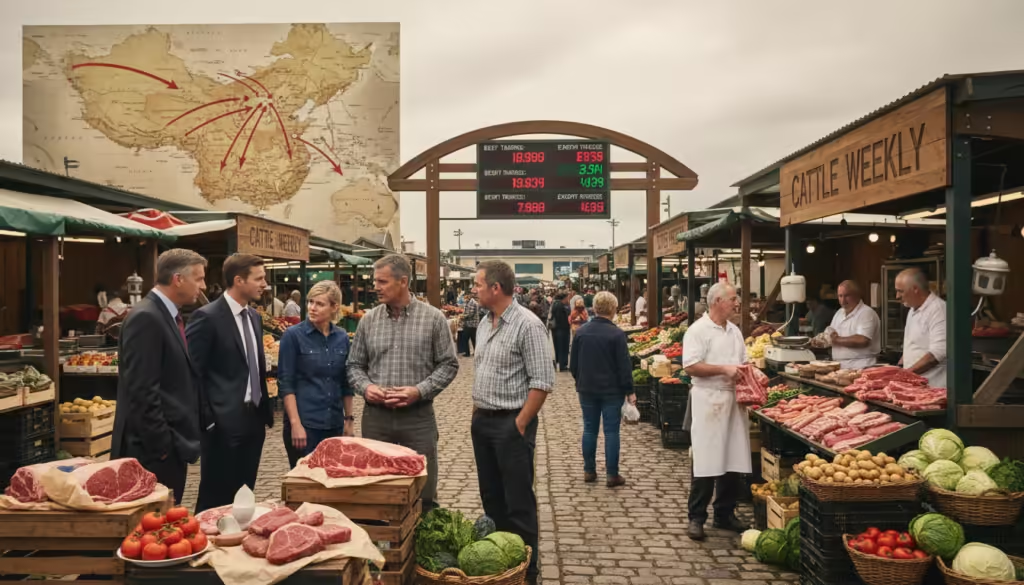
Australia’s beef exporters are getting ready for possible supply chain problems because of China’s 2026 tariff plan. The tariffs on beef from China could change how Australian beef is handled, moved, and sold.
Abattoirs and Processing Facilities Employment Effects
The new beef tariff rates might change how abattoirs and processing places work. Potential employment impacts could be:
- Less jobs because of lower demand
- Changes in work hours or how much they can do
- Higher costs might mean some places have to close
Experts say, “the tariff on beef imports taxation will be a big problem for our industry.” They stress the need for new ways to deal with these issues.
Transportation and Logistics Challenges for Exporters
Exporters will have to face transportation and logistics challenges with the new tariff rules. Main issues include:
- Higher costs for following tariff rules
- Shipping and delivery might get slower
- They need new supply chain plans to stay competitive
To tackle these problems, the industry is looking at new paths and ways to ship. They aim to lessen the tariff’s effect.
The Australian Beef Tariff Response: Industry Adaptation Strategies
China’s 2026 beef tariff is coming, and the Australian beef sector is getting ready. They’re working on making better products, finding new markets, and making their supply chains more efficient.
Quality Certification and Premium Positioning
One big plan is to focus on quality and being premium. They want to keep their spot in the Chinese market, even with the tariffs.
Organic and Grass-Fed Certification Programs
They’re also pushing for organic and grass-fed certifications. This makes Australian beef stand out and could make it more valuable.
Traceability Systems Enhancement
Improving traceability is another key move. It helps them meet quality and regulatory standards, keeping customers happy.
According to
“We need to focus on what we can control, like the quality of our product and our supply chain efficiency,”
said a spokesperson from Meat & Livestock Australia.
The industry’s plans are outlined in the table below:
| Strategy | Description | Potential Impact |
|---|---|---|
| Quality Certification | Emphasizing high-quality beef products | Maintaining competitive edge |
| Premium Positioning | Promoting premium beef products | Increasing product value |
| Traceability Systems | Enhancing supply chain traceability | Ensuring compliance and consumer trust |
With these plans, the Australian beef industry hopes to lessen the 2026 tariff’s effects. They aim to keep growing in tough trade times.
Market Diversification Opportunities
Australia’s beef industry is looking to new markets as the Chinese market might change. With the 2026 beef tariff from China coming, Australian beef exporters are seeking new places to sell. This move aims to lessen the impact of the tariff.
Emerging Alternative Export Destinations in Southeast Asia
Southeast Asia is a big chance for Australian beef exporters. The area’s growing middle class and need for quality protein make it appealing.
Vietnam and Indonesia Market Potential
Vietnam and Indonesia are key spots in Southeast Asia for Australian beef. Free trade agreements and better market access have made Australian beef more competitive here.
Vietnam’s beef demand is rising with higher incomes and more people moving to cities. Australian beef exporters can benefit by focusing on quality and reliability.
Middle East Expansion Possibilities
The Middle East is also a place for Australian beef exporters to grow. Countries like Saudi Arabia and the United Arab Emirates want high-quality beef.
Halal certification is key for getting into these markets. Australian exporters who meet halal standards can meet the growing demand for beef in the Middle East.
By spreading their sales to different markets, Australian beef producers can avoid relying too much on one market, like China. This smart move will help the industry face the challenges of the upcoming tariff rates and changes in import taxes.
Australian Government Response and Support Measures
The Australian government is unhappy with China’s new beef tariff policy. They are now reviewing support for the cattle industry. They want to help Australian beef farmers deal with the new tariffs.
Financial Assistance and Relief Programs
The government is looking at different financial help programs for beef producers. These plans aim to ease the burden and support the industry’s future.
Rural Financial Counselling Services
They plan to improve Rural Financial Counselling Services. This will offer free financial advice to farmers hit by the tariffs. It will help them manage their money, find new ways to work, and get other help.
Farm Investment Loans
They also want to give out Farm Investment Loans. These loans will help farmers keep and grow their businesses. They can use the money for new tech, better productivity, and more business ideas.
The Australian government is trying to soften the blow of China’s tariffs on the cattle industry. They want to give farmers real help. This way, they can adjust to the new trade rules and keep the beef sector strong.
Industry Bodies’ Reactions and Advocacy Efforts

China’s 2026 beef tariff has caused a big stir in Australia. Industry bodies have quickly come together to address this issue. They are all focused on protecting the interests of Australian beef producers.
Meat & Livestock Australia’s Position and Initiatives
Meat & Livestock Australia (MLA) is leading the charge. They are working hard to get better beef trade agreements for Australian beef. This includes helping to reduce the beef tariff impact.
MLA is also providing vital market information. They aim to support beef producers during these tough times.
National Farmers’ Federation and Cattle Council Responses
The National Farmers’ Federation (NFF) and the Australian Cattle Council have spoken out. They urge the government to help farmers deal with the tariff. They want policies that make Australian beef more competitive globally, which could lower beef import taxes.
| Industry Body | Key Initiatives |
|---|---|
| Meat & Livestock Australia | Trade agreement negotiations, market intelligence |
| National Farmers’ Federation | Government support advocacy, policy development |
| Australian Cattle Council | Industry competitiveness enhancement, farmer support |
Farmer Perspectives: Voices from the Ground
China’s 2026 beef tariff policy is causing worry for farmers. The impact on Australian cattle producers is big. Many are unsure about what the future holds.
Case Studies from Major Beef Producing Regions
Farmers in key beef areas are worried about the beef tariff policies. Central Queensland and New South Wales are of special interest.
Central Queensland Graziers’ Experiences
In Central Queensland, graziers are getting ready for possible changes in cattle tariff regulations. A local farmer said, “We’ve seen demand changes before, but this tariff could really change things for us.”
New South Wales Producers’ Concerns
Producers in New South Wales are under pressure too. “The uncertainty about beef industry tariffs is making it hard to plan,” said a local cattle producer.
| Region | Primary Concerns | Potential Impact |
|---|---|---|
| Central Queensland | Changes in cattle tariff regulations, market demand fluctuations | Potential reduction in export volumes |
| New South Wales | Uncertainty around beef industry tariffs, planning difficulties | Possible decrease in revenue for cattle producers |
Farmers in these areas want clearer beef tariff policies. They need to know what’s coming. The industry’s response will shape the future for Australian cattle producers.
Environmental and Sustainability Considerations
China’s 2026 beef tariff policy might change how Australian beef is made. This could lead to both good and bad effects on the environment. Farmers might need to change how they farm to stay profitable.
Production Practice Changes Under Economic Pressure
The tariff could push farmers towards greener farming. They might start using methods that help the soil and protect wildlife. They could also use water better and treat animals kinder.
- Increased focus on regenerative agriculture to improve soil health and biodiversity.
- Adoption of more efficient water management systems to reduce environmental impact.
- Enhanced animal welfare practices that could lead to better land management.
But, the pressure to make more money might also make farming more intense. This could harm the environment if not done right.
Carbon Neutrality Goals and Market Access
Australia wants its beef to be carbon neutral. The tariff could make it harder to reach this goal. It might also affect how easily Australian beef can be sold in China.
Showing that beef is made sustainably is key. It could help keep markets open and even open new ones. These markets value the environment and sustainability.
Global Beef Market Dynamics and Australia’s Competitive Position
China’s 2026 beef tariff announcement is a big deal for Australian farmers. The Australian beef industry faces tough competition from other big players. It also deals with changing tastes in key markets.
Competition from Brazil, United States and Other Exporting Nations
Australia goes up against big names like Brazil and the United States in beef exports. These countries have their own beef tariff policies and cattle tariff regulations. Brazil’s low prices and the US’s big farms make things tough for Australia.
Changing Consumer Preferences in Asian Markets
Consumer tastes in Asian markets, like China, are changing. Two main things are driving these changes:
Health and Safety Perceptions
People want beef that’s seen as safe and healthy. Australian beef is known for its quality and safety. But, other countries are working hard to match this.
Premium vs Value Positioning
- Premium beef is becoming more popular with wealthy buyers.
- Value is key for those watching their spending.
Australia needs to keep up with both premium and value offerings. This will help it stay competitive in the global beef market.
Conclusion: Navigating the Challenging Road Ahead
The 2026 beef tariff from China is a big challenge for Australian beef producers. The world of beef trade agreements and tariffs is changing fast. This means Australian farmers need to make smart changes to stay ahead.
Australian farmers face tough times with the beef tariff. They must learn how to deal with it to keep their businesses strong. Knowing about beef industry tariffs and keeping up with trade changes is key to success.
Even though the tariff is tough, it also brings chances for Australian beef producers. They can send more beef to different countries. By focusing on quality and finding new markets, they can beat the tariff’s effects and find new chances.
The future looks complex, but with good planning and flexibility, Australian beef producers can overcome the 2026 tariff. They can keep doing well in the global market.