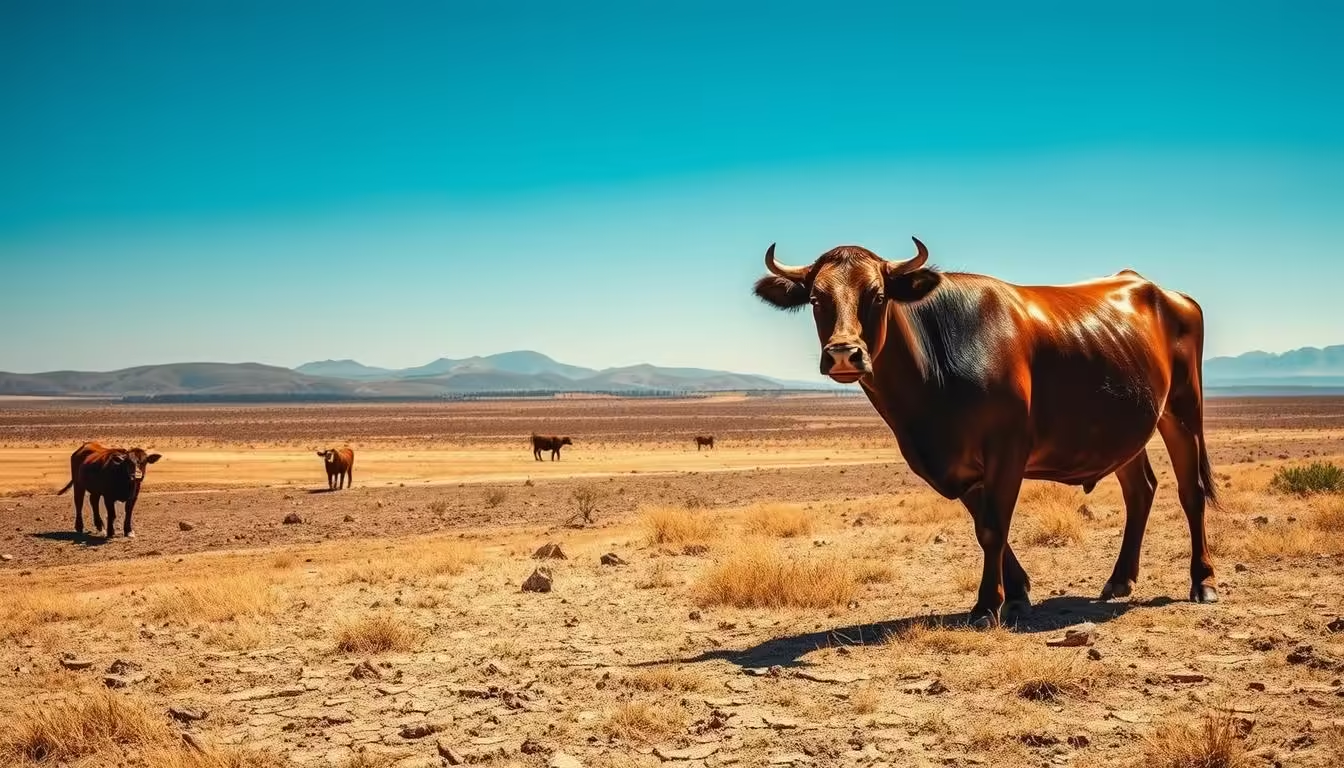

Today’s beef cattle systems are shifting fast, and that change matters for daily on‑farm decisions. This short guide sets the scene across Australia and points to the key pressures shaping outcomes.
This beginner’s guide will cover markets, land and stocking choices, climate risks, breeding and feeding systems, welfare and meat‑quality signals. It is written for commercial producers, smaller landholders, station teams and any reader who wants a clear view of modern industry pressures.
On the ground, the big rocks are price cycles, efficiency demands, climate variability and rising expectations on welfare and quality. The practical lens here is decisions that affect cost of gain, fertility, growth, timing of turn‑off and risk management.
Each section translates trends into checks a producer can make, measures to record and changes to try. Australia is diverse: region, pasture base and market pathway all change the best approach.
Finally, remember production links into a wider supply chain — processors, brand programs and export specifications all feed back into breeding and finishing choices.
Key Takeaways
- Key pressures: price cycles, efficiency, climate and welfare expectations.
- Guide covers markets, land and stocking, breeding, feeding and quality signals.
- Practical focus on cost of gain, fertility, growth and turn‑off timing.
- Advice is regionally sensitive — one size does not fit all in Australia.
- Supply chain specs influence breeding and finishing decisions.
Where beef cattle fit in Australian meat production today
What producers mean by “production” is practical: turning grass, grain and feed into saleable kilograms and a compliant carcase for a chosen market.
Beef vs dairy: what production actually means
Animals kept for meat focus on growth, feed conversion and carcass specs. Dairy herds focus on milk yield and lactation traits. Genetics, feeding and handling are therefore matched to different targets.
The three main stages
Cow-calf operations deliver calves and rely on fertility and calf survival. Backgrounding grows feeder animals on pasture or supplemental feed. Feedlot finishing brings animals to weight and fat cover that match buyer specs.
Other value streams
Hides and by-products add value off the hoof. Leather and ingredients from trimmings appear in goods from wallets to cosmetics, lifting whole-of-chain returns.
Feeder animals are planned to reach the feedlot. Replacement heifers are retained for breeding and follow a different growth pathway. Some businesses integrate stages for control; others specialise to manage risk, cashflow and feed supply.
- Market specs drive on‑farm choices — weight ranges, fat cover and eating quality shape breeding and finishing decisions.
- Grassfed systems dominate many regions; grain finishing is used where it suits market and feed economics.
Beef cattle: the biggest shifts influencing farmers and producers
Market patterns and herd performance now shape nearly every breeding and sell call on farm.
How market signals show up: store demand, processor grids and feeder competition come through as price spreads and grade premiums. These signals change the timing of turn‑off and which genetics suit a program.
Price cycles in plain terms: producers face a choice to hold, sell or rebuild with imperfect information. Clear triggers — target price, feed cost threshold and pregnancy checks — reduce regret and make decisions repeatable.
Herd efficiency and selection priorities
There is strong pressure to produce more kilograms from the same paddocks, labour and supplements without degrading the property. That lifts focus on fertility, doing ability in dry seasons and performance that matches a market endpoint.
Avoid chasing single metrics like rapid growth if it undermines cow function, longevity or environmental fit. The right number of animals shifts with season, business cashflow and feed on offer.
- Measure: pregnancy rate, weaning rate, turn‑off weight, supplement spend.
- Season review: stock numbers, feed budget, soil cover targets.
| Driver | On‑farm sign | Action |
|---|---|---|
| Store demand | Stronger bids for light feeders | Adjust weaning and turn‑off timing |
| Processor grids | Premiums for specific grades | Match genetics to spec |
| Price cycle | Volatile sale prices | Set sell/hold triggers |
Land, pasture and carrying capacity: stocking rate trends that matter
A farm’s productive ceiling is set by soil, pasture and how well paddocks recover after grazing.
Why land and pasture quality matter: good ground and feed cover set the real limit on animal performance. Market signals matter, but pushing stocking beyond what the paddock will sustain risks poorer regrowth and long-term land decline.
Stocking rate versus carrying capacity
Stocking rate is the number of animals per hectare at a point in time. Carrying capacity estimates how long the environment will support that herd through seasons.
Using DSE as a common measure
DSE standardises grazing pressure. Small breeds (Dexter ~6 DSE) use less feed than large animals (Angus ~15 DSE). Smaller stock still need planning for joining and lactation.
Infrastructure and practical checks
Fences, yards, water points and ramps limit what a property can handle. Good facilities cut labour, reduce stock injury and speed routine work like weighing and vaccinations.
- Actionable takeaways: set minimum ground cover targets;
- match class of livestock to feed on offer;
- build a seasonal destocking plan before it’s needed.
Climate and weather conditions: heat, drought and resilience in cattle systems
Weather swings make resilience a core business decision for every grazing enterprise.
How climate and weather show up as real costs: lower daily gains, higher mortality risk, extra supplementation and pressure on water systems. These translate into cashflow hits and management time.
Heat stress and water demand
Signs to watch: heavy panting, bunching in shade, reduced grazing and slower recovery of body condition. Quick action prevents lasting setbacks.
A 450 kg animal may drink ~41 L/day in temperate conditions and around ~82 L/day in hot weather. Trough capacity, pump reliability and distance to water must match peak demand.
Breed fitness and resistance for local conditions
Breeding matters where tick and heat pressure are constant. Select lines with proven heat tolerance and parasite resistance to reduce treatment costs and losses.
Resilience is broader than genetics. Paddock design, shade belts, and watering points cut exposure. Timing must align so lactation matches feed quality.
Seasonality and practical decision points
- When to destock: pull stock early from failing country before body condition collapses.
- Heatwave plan: increase water checks to twice per day, move handling to cooler hours, reduce yarding stress.
- Payback upgrades: extra troughs, solar pumps and shade plantings often return value in reduced mortality and feed spend.
“Match joining and calving to reliable feed windows and the herd will hold condition through the worst seasons.”
Bottom line: not every year is a drought, but every business needs a drought-ready plan that protects animal body condition and the country.
Breeding and genetics: trends in calving ease, fertility and herd resistance
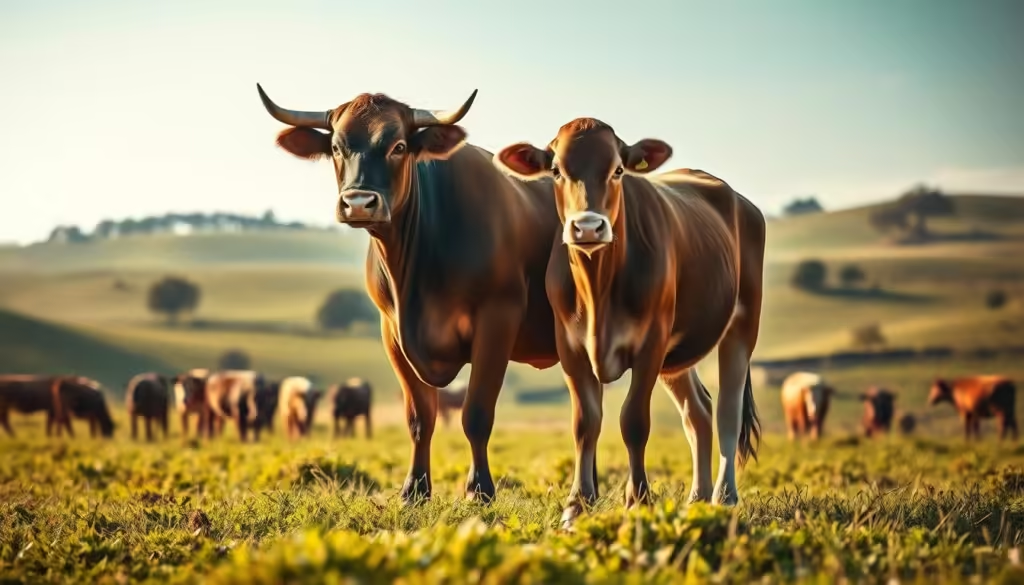
Good breeding starts with clear targets: fertility, calving ease and animals that cope with local feed and parasites.
Joining windows, bulls and re-breeding
Define a joining window to tighten calving and simplify feed plans. A 6–8 week period makes muster, vaccination and labour easier.
Most herds run bulls naturally. Placing bulls back in the mob about 55 days after calving supports a tight return to service. Body condition of cows drives reconception, so nutrition matters.
Selective goals and meat quality levers
Prioritise fertility, easy calving and functional cows before growth and carcase traits. Markets then reward consistent, compliant meat cuts rather than extremes.
Levers include sire selection for marbling where required and for leaner carcasses where buyers demand it.
Breed choices and handling risk
Australian breed options and composites should match climate, feed and labour. For smaller farms, Lowline, Dexter and Miniature Hereford suit temperament and low feed demand.
| Factor | What to check | Practical note |
|---|---|---|
| Bull fertility | Scrotal size, semen test | Test before joining |
| Heifer maturity | Age and weight at first mating | Delay joining if underweight |
| Horns & temperament | Polled status, calm score | Pick polled or quiet breeds if handling risk is high |
“Match breed to environment, not fashion.”
Feed and production systems: pasture, backgrounding and feedlot trends
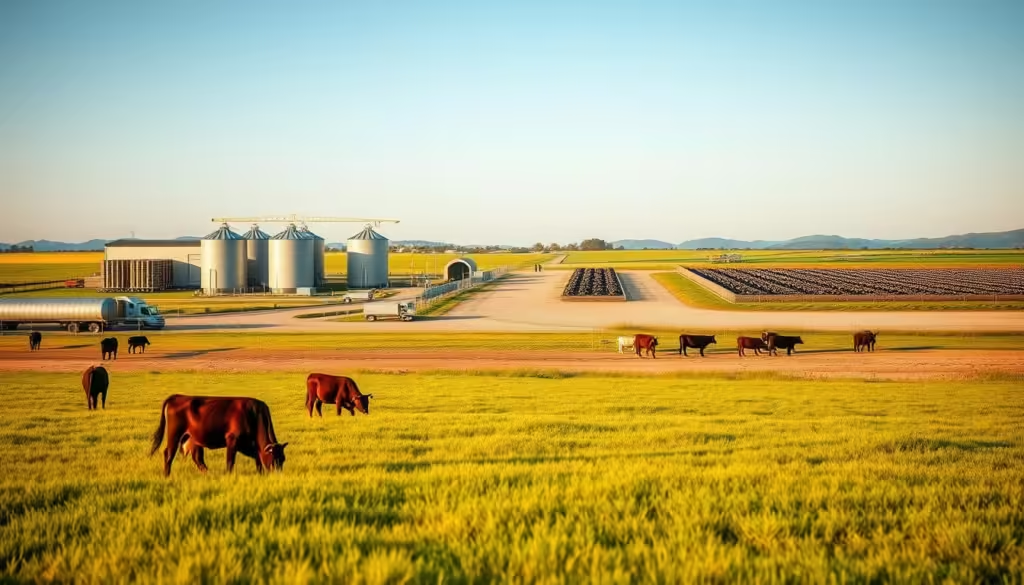
What animals eat and when they eat it dictates growth rates and market timing. Nutrition choices shape margins, risk and the calendar for sale.
Pasture-based systems
Grass, hay and silage remain the backbone of most Australian production. Roughage keeps rumens healthy; cheap energy without fibre can cause digestion problems and lost performance.
Silage suits wet seasons or winter feed gaps. Hay and haylage are practical where storage and handling fit the property.
Backgrounding and finishing
Backgrounding is a deliberate business pathway. Timing, weight targets and seasonal feed determine whether animals reach feeder specs or need more finishing.
Select backgrounding when pasture is reliable and store prices make a later finish profitable.
Feedlots and daily intake
Feedlots speed gains using higher-grain rations. The trade-off is higher feed cost and tighter management.
Daily intake typically ranges from about 1.4% to 4% of liveweight. That figure guides budgeting, storage and gradual ration changes to avoid setbacks.
“Set target gains, measure weights and match the pathway to market specs.”
Action steps: assess feed on offer, set realistic gains, pick the pathway that suits season and market, and weigh results regularly.
Animal welfare, handling and health: low-stress cattle management
Simple handling habits — steady pressure, clear release and quiet movement — change outcomes fast. Calm stock are easier to move, injure handlers less often and tend to hold condition better through stress events.
Low-stress handling is both a safety standard and a productivity tool. Design yards and races for continuous flow, use minimal noise, and apply pressure-release rather than force. Avoid rushing work during heat; move tasks to cooler hours where possible.
Shelter, safe equipment and reliable water
Shelter from extremes and potable water are non-negotiables. Shade belts, windbreaks and well-sited troughs cut heat and cold exposure.
Safe equipment means maintained yards, solid gates and non-slip surfaces. A proper loading ramp lowers baulking and injury risk at sale or transport.
Health checks and when to call a vet
Keep a routine that producers can sustain: quick visual checks daily, closer inspection weekly, and simple records of treatments and responses.
- Watch for sudden drops in appetite, breathing problems, severe lameness or unexplained deaths.
- High stocking density, seasonal shifts and mixing groups raise disease risk quickly.
- Call a veterinarian for suspected outbreaks, any zoonotic signs or when treatments fail.
“Good handling and welfare reduce losses, lower injuries and help meet market expectations.”
Meat quality and processing: what shapes value on the hook
What lands on the hook starts long before the truck: paddock choices and final days of handling combine to set yield and eating results.
Carcass yield basics
A 1,000 lb steer often returns roughly 615 lb as a hot carcass after removal of head, hide, feet and offal. After chilling and cutting, that can become about 430 lb of finished product.
Outcomes vary by breed, finish and market specs. Weight, fat cover and dressing percentage all influence the value paid at the processor.
Marbling and eating quality
Marbling is fat within the muscle. It helps tenderness, flavour and juiciness. Higher marbled meat often earns premiums in branded or export programs.
Demand for reliable eating quality has risen because brands and consumers pay more for consistent results.
Pre-slaughter handling and stress
Slaughter moves through three stages: pre-slaughter handling, stunning and slaughter. The producer’s influence is strongest in the first stage.
Calm handling, adequate water, sensible stocking densities and avoiding last-minute feed shocks cut bruising, dark cutting and downgrades. These are dollars-and-cents issues as much as welfare ones.
“Plan the last week: keep movements quiet, keep water available and time transport to avoid heat peaks.”
- Takeaway: avoid abrupt feed changes 12–24 hours before transport.
- Handle quietly in the final days and plan lairage times with heat and travel in mind.
- Match finish and fat cover to the intended market to lift value on the hook.
Conclusion
Top-performing farms align stock, paddocks and market pathways, then measure a handful of basics each season.
Protect ground and carrying capacity first. Then build breeding and feeding plans that suit the country and the buyer.
Key levers: disciplined stocking using DSE, climate-ready infrastructure and reliable water, fertility-focused selection and fit-for-purpose finishing routes.
Welfare and handling link directly to staff safety, product outcomes and market trust. They are not optional.
Pick two or three changes to act on now — tighten a joining window, review DSE-based stocking, or upgrade a critical trough. Tap local extension, agents, vets and producer groups (including Cattle Australia) for support.
Practical truth: trends will shift, but clear feed budgets, body condition checks, calm handling and solid records hold in any season.